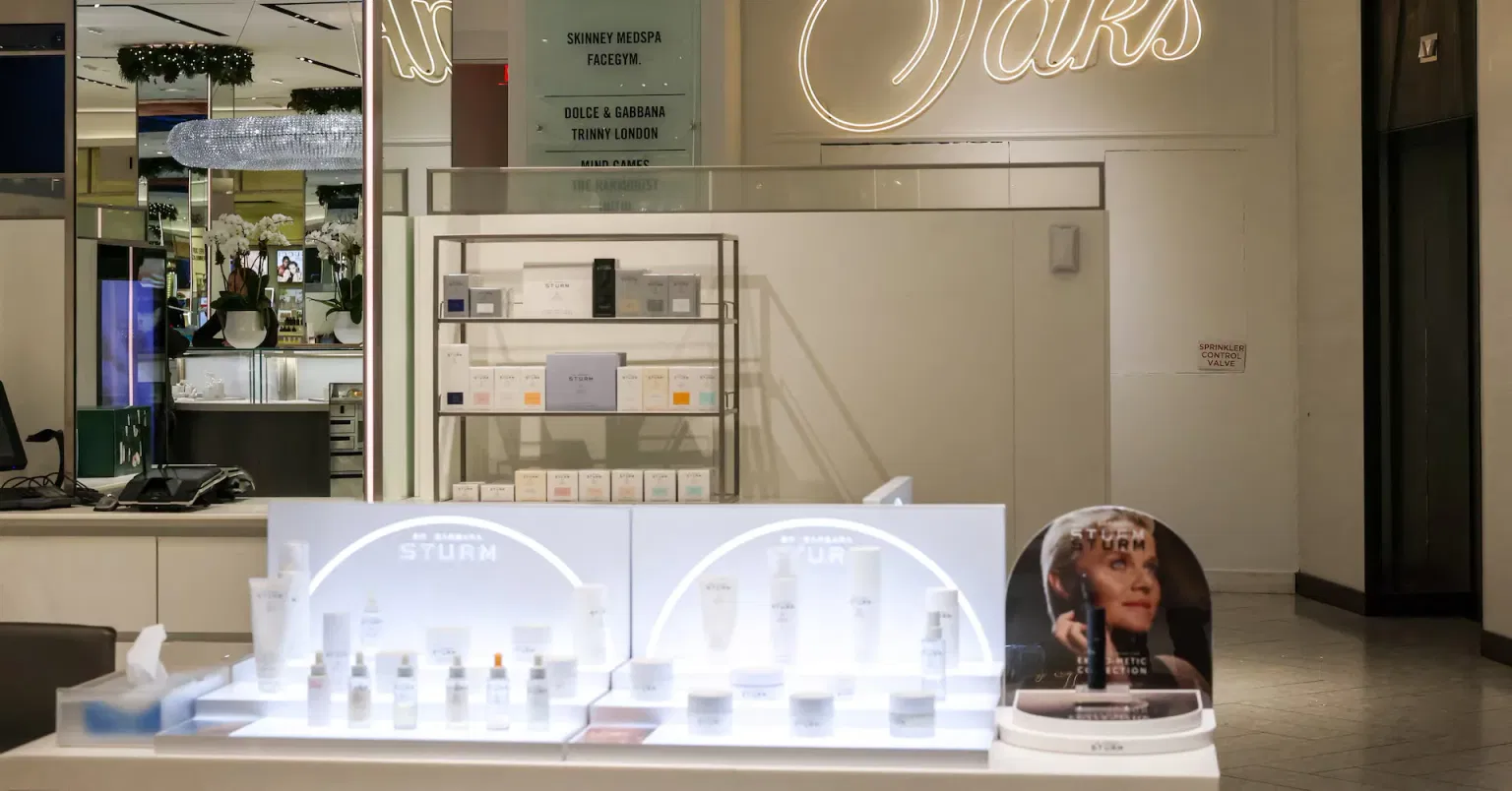
In one of the largest retail collapses since the pandemic, Saks Global—the parent company behind iconic luxury department stores Saks Fifth Avenue, Neiman Marcus, and Bergdorf Goodman—filed for Chapter 11 bankruptcy protection late Tuesday, January 13, 2026. The filing comes barely a year after a $2.7 billion deal intended to create a luxury retail powerhouse instead saddled the company with unsustainable debt, missed payments, and eroding vendor confidence that ultimately pushed the 159-year-old retailer to the brink.
The Neiman Marcus Deal: A $2.7 Billion Bet That Backfired
The story of Saks Global's downfall begins with its ambitious 2024 acquisition of rival Neiman Marcus. Masterminded by real estate investor Richard Baker, the deal was supposed to create a luxury department store giant with enhanced negotiating power, cost savings, and the scale to compete effectively against rivals like Bloomingdale's and Nordstrom. Instead, the transaction loaded Saks Global with approximately $2.2 billion in additional debt at a time when global luxury sales were slowing and consumer shopping habits were shifting decisively toward e-commerce and direct-to-consumer channels.
"In a market where luxury brands are moving direct-to-consumer and shoppers expect personalization and speed, that merger was always going to fail," said Brittain Ladd, a strategy and supply-chain consultant at Florida-based Chang Robotics. The company's bonds began trading at distressed levels—as little as a penny on the dollar for some issues—as investors grew increasingly concerned about Saks Global's ability to service its debt obligations.
Timeline: How the Luxury Retailer's Financial Crisis Unfolded
The path to bankruptcy followed a predictable but rapid downward spiral. In early 2023, Saks Fifth Avenue began reporting double-digit quarterly sales declines. By 2025, the company was struggling to pay vendors, who responded by withholding inventory—creating empty shelves that drove customers to competitors. A crucial $100 million interest payment due in late December 2025 was missed, triggering default provisions and making bankruptcy virtually inevitable.
The company's financial deterioration accelerated through leadership chaos. CEO Marc Metrick resigned abruptly in early January 2026, replaced briefly by Richard Baker, who himself stepped down just two weeks later. Former Neiman Marcus CEO Geoffroy van Raemdonck was appointed as the new chief executive, bringing with him several former Neiman executives to form a revamped leadership team.
The $1.75 Billion Lifeline: Inside the Bankruptcy Financing Deal
Despite the grim outlook, Saks Global managed to secure a $1.75 billion financing package that will allow its stores to remain open during bankruptcy proceedings. The deal, led by Pentwater Capital Management and Bracebridge Capital, includes $1 billion in immediate debtor-in-possession financing, $240 million through an asset-backed loan from existing lenders, and an additional $500 million that will become available once the company emerges from bankruptcy protection.
"This is a defining moment for Saks Global, and the path ahead presents a meaningful opportunity to strengthen the foundation of our business and position it for the future," said newly appointed CEO Geoffroy van Raemdonck in a statement. The financing package will be used to pay vendors, restock depleted inventory, and fund operations while the company reorganizes under court supervision.
Creditor Landscape: Luxury Brands Left Holding the Bag
The bankruptcy filing reveals a staggering creditor list that reads like a who's who of the luxury fashion world. Saks Global estimates it has between 10,001 and 25,000 creditors, with the 30 largest unsecured creditors collectively owed approximately $712 million. Leading the list is Chanel, owed about $136 million, followed by Gucci-owner Kering at $60 million, and luxury conglomerate LVMH at $26 million.
"For the broader luxury industry, this accelerates an existing trend: brands will reduce reliance on department stores, tighten wholesale exposure, and prioritize owned channels and curated partnerships," said consultant Brittain Ladd. The significant exposure of these luxury giants underscores the interconnected risks in the retail sector and raises questions about how brands will manage wholesale relationships moving forward.
Investor Implications: What the Saks Collapse Means for Retail Stocks
The Saks Global bankruptcy represents more than just the failure of one retailer—it signals deeper structural challenges facing the entire department store sector. Morningstar analyst David Swartz summarized the situation bluntly: "Rich people are still buying, just not so much at Saks." This sentiment reflects the broader shift in luxury consumption patterns, where consumers increasingly prefer shopping directly from brand boutiques or through curated online platforms rather than traditional department stores.
For investors, the Saks collapse serves as a warning about several key trends: the risks of leveraged acquisitions in a slowing market, the vulnerability of traditional retail models to changing consumer preferences, and the importance of strong vendor relationships in maintaining inventory and sales. The company's experience also highlights the critical role of liquidity management, as delayed vendor payments created a vicious cycle of inventory shortages and declining sales.
What Comes Next for Saks and the Luxury Retail Sector
Saks Global expects to emerge from bankruptcy later this year after restructuring its debt, renegotiating leases, and potentially closing underperforming locations. The company has stated it will "evaluate its operational footprint" to focus resources on locations with the greatest long-term potential, suggesting a trimmed-down store fleet is likely.
For the broader luxury retail sector, the Saks bankruptcy accelerates several existing trends. Department stores will likely continue shifting toward concession models, where brands manage their own spaces and inventory within stores. Experiential retail—offering events, dining, and entertainment alongside shopping—will become increasingly important as stores compete for foot traffic. And luxury brands themselves may further reduce their wholesale exposure, prioritizing direct-to-consumer channels that offer higher margins and greater control over brand presentation.
The Bottom Line: Key Takeaways for Investors
The Saks Global bankruptcy offers several critical lessons for investors watching the retail sector: First, be wary of heavily leveraged acquisitions in competitive markets. Second, pay close attention to vendor relationships and inventory levels as early warning signs of financial stress. Third, recognize that even iconic brands with century-long histories are not immune to disruptive changes in consumer behavior. And finally, understand that in today's retail environment, the ability to adapt to e-commerce and experiential shopping trends may be more valuable than physical store count or historical brand prestige.
As Saks Global navigates its Chapter 11 restructuring, investors will be watching closely to see if this once-dominant luxury retailer can reinvent itself for a new era of retail—or if its bankruptcy marks the beginning of the end for the traditional department store model altogether.