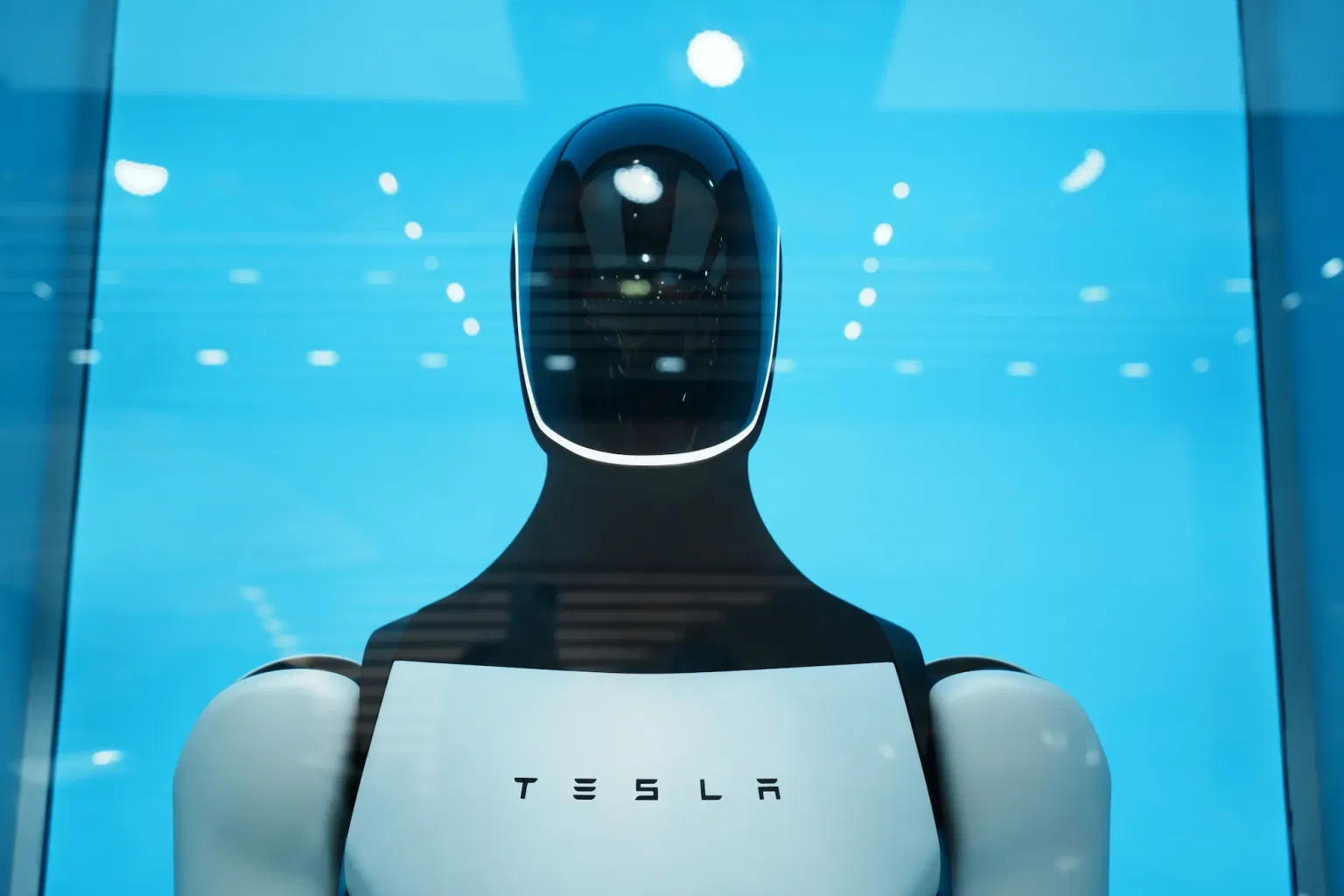
Tesla (NASDAQ: TSLA) investors are grappling with a classic Elon Musk dilemma after the company's first-quarter 2026 earnings report: impressive numbers on paper, but a spending plan so ambitious it's giving the market whiplash. Shares of the electric-vehicle giant tumbled more than 4.6% on Thursday, erasing an initial post-earnings rally, after管理层 revealed a jaw-dropping $25 billion capital expenditure plan that threatens to burn through cash for the rest of the year.
The Q1 results themselves were solid. Tesla reported adjusted earnings per share of $0.41, topping the $0.37 consensus estimate, while revenue climbed 16% year over year to $22.39 billion. Net income came in at $477 million, up 17% from the year-ago period. But beneath the headline numbers, the market zeroed in on a far bigger story: Elon Musk is doubling down on his vision of an AI-and-robotics-powered future, and the tab is enormous.
How the $25B Capex Bomb Reshaped the Tesla Trade
Tesla shares initially jumped as much as 5% in after-hours trading Wednesday following the earnings release. But the celebration was short-lived. During the earnings call, CFO Vaibhav Taneja dropped a bombshell: the company's 2026 capital expenditures would exceed $25 billion — roughly three times what Tesla has historically spent in a single year. The result, Taneja warned, would be negative free cash flow for the remainder of 2026.
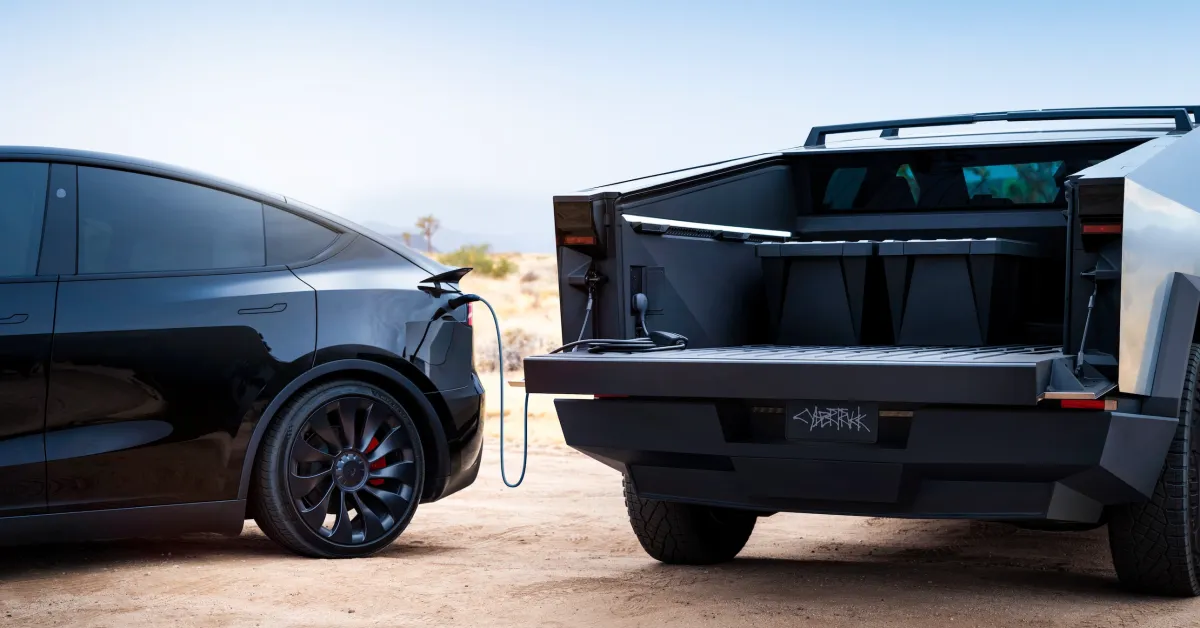
"This is a leap-of-faith moment for Tesla shareholders," wrote analysts at BigGo Finance. Unlike Big Tech peers Amazon and Google, which have established high-margin businesses to support massive AI spending, Tesla is placing its bets on unproven ventures like robotaxis and humanoid robots that are unlikely to generate meaningful revenue before 2027. The money will flow into AI compute infrastructure, the Dojo supercomputer, autonomous driving technology, the Optimus humanoid robot, new factories, and battery manufacturing capacity.
The market's reaction was swift. By Thursday's open, TSLA had fallen to around $369.62, down 4.62% on the day. The stock now sits well below its 52-week high of $498.83 — a level that already reflected lofty expectations for the company's AI pivot.
Timeline: Tesla's Wild Week of Whipsaw Moves
The drama didn't start with earnings. Just a week earlier, Tesla shares surged 7.6% to $391.95 on April 15 — the stock's best single-day performance since June 2025 — after Elon Musk tweeted a picture of a Tesla-designed microchip dubbed "AI5." The rally signaled that investor enthusiasm for Musk's AI narrative remained potent.
Then came Wednesday evening's earnings call. The initial reaction was positive: the EPS beat and improved automotive margins sent shares up about 5%. But as Musk and Taneja detailed the spending roadmap — and Musk admitted that millions of existing Tesla owners would need hardware upgrades for true Full Self-Driving — the tone shifted. By Thursday morning, the stock had given back all its gains and then some.
Compounding the selloff, Electrek reported that Tesla's earnings beat was bolstered by one-time benefits, including warranty adjustments and tariff refunds, along with stretched supplier payments — raising questions about the quality of the company's profitability.
The Bull vs. Bear Debate Over Tesla's AI Gamble
Wall Street is sharply divided on where TSLA heads from here. The stock trades at a staggering 383 times trailing earnings, making it one of the most expensive stocks in the market by traditional valuation metrics. The forward P/E of 179 doesn't offer much comfort.
On the bullish side, analysts like Dan Ives of Wedbush Securities see Tesla as a "Physical AI stalwart." The bull case rests on the idea that Tesla's Full Self-Driving software, robotaxi network, and Optimus humanoid robot represent trillion-dollar opportunities that traditional automakers simply cannot replicate. Cathie Wood's ARK Invest maintains a staggering $4,600 per share price target for 2026, arguing that Tesla's autonomy platform alone justifies a valuation several times higher than current levels.
"Tesla's Q1 double beat reinforces the view that the company can still generate resilient earnings while funding a more capital-intensive AI, autonomy, and robotics roadmap," wrote a Seeking Alpha analyst who raised their price target to $415. They cited improving backlog, vehicle mix, and potential delivery catalysts like FSD penetration in overseas markets.
The bear case is equally compelling. Revenue missed analyst estimates. Automotive deliveries have disappointed relative to expectations. And the $25 billion capex plan comes at a time when Tesla's return on invested capital is declining. Unlike Amazon Web Services or Google Cloud — which generate reliable profits that fund AI experiments — Tesla's core automotive business faces intensifying competition, price pressure, and slowing demand in key markets.
"Tesla is trading on belief, not results," wrote another Seeking Alpha contributor, who rates the stock a Sell. The consensus among 28 analysts tracked by Public.com is a Hold, with an average price target of $397 — suggesting limited upside from current levels.
Where Things Stand Now: Tesla After the Earnings Fallout
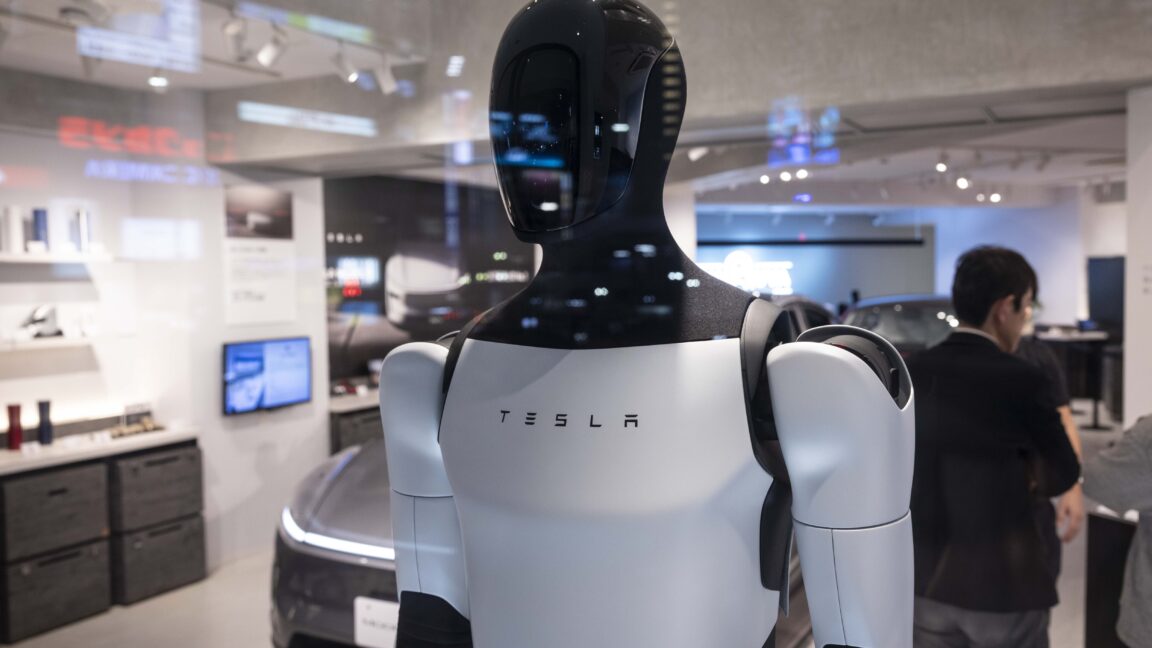
As of Thursday morning, TSLA was trading at $369.62 with a market capitalization of $1.39 trillion. The company holds $44.7 billion in cash, giving it some cushion for its ambitious spending plans. On the product front, Musk reiterated that Cybercab production will begin this year, robotaxi service will launch in a dozen states by year-end, and Optimus humanoid robot production is targeting late July or August.
But the FSD hardware revelation could prove costly. TechCrunch reported that Musk's admission — that millions of Tesla owners need hardware upgrades for true level 5 autonomy — may open the company to legal challenges. For years, Tesla sold the promise that customers were "just one software update away" from owning fully autonomous vehicles. That promise, it now appears, was overstated.
What Happens Next: The Road Ahead for TSLA
For Tesla to justify its valuation, the company must execute on multiple fronts simultaneously. The robo-taxi network needs to go from pilot to profit-generating business. The Optimus robot needs to move from prototype to production. And Full Self-Driving needs to finally deliver on years of promises — without requiring customers to buy new hardware.
Musk's track record of over-promising and under-delivering is well documented. But so is his ability to pull off the seemingly impossible. The $25 billion capex plan represents the most aggressive bet in corporate America right now — bigger than what most Big Tech companies are spending on AI relative to their revenue base.
Analysts expect 2026 full-year revenue of $108.9 billion and EPS of $2.25, implying the stock trades at about 170 times forward earnings. For patient bulls, the payoff could be enormous if the AI bets pay off. For skeptics, the risk of value destruction at this valuation is equally real.
Key Takeaways From Tesla's Q1 Earnings and Stock Move
- EPS beat, revenue miss: Tesla delivered $0.41 adjusted EPS vs. $0.37 expected, but revenue of $22.39 billion fell short of the $22.6 billion consensus.
- $25B spending shock: Capex guidance of over $25 billion for 2026 — triple historical levels — spooked investors and triggered a 4.6% stock decline.
- Negative free cash flow: CFO Vaibhav Taneja confirmed Tesla expects negative free cash flow for the remainder of the year to fund AI, robotics, and factory investments.
- FSD hardware admission: Elon Musk acknowledged millions of Tesla owners need hardware upgrades for true Full Self-Driving, potentially exposing the company to legal liability.
- Divided Street: Analyst consensus is Hold with a $397 price target, while bulls like ARK see $4,600 and bears warn of overvaluation given slowing automotive growth.