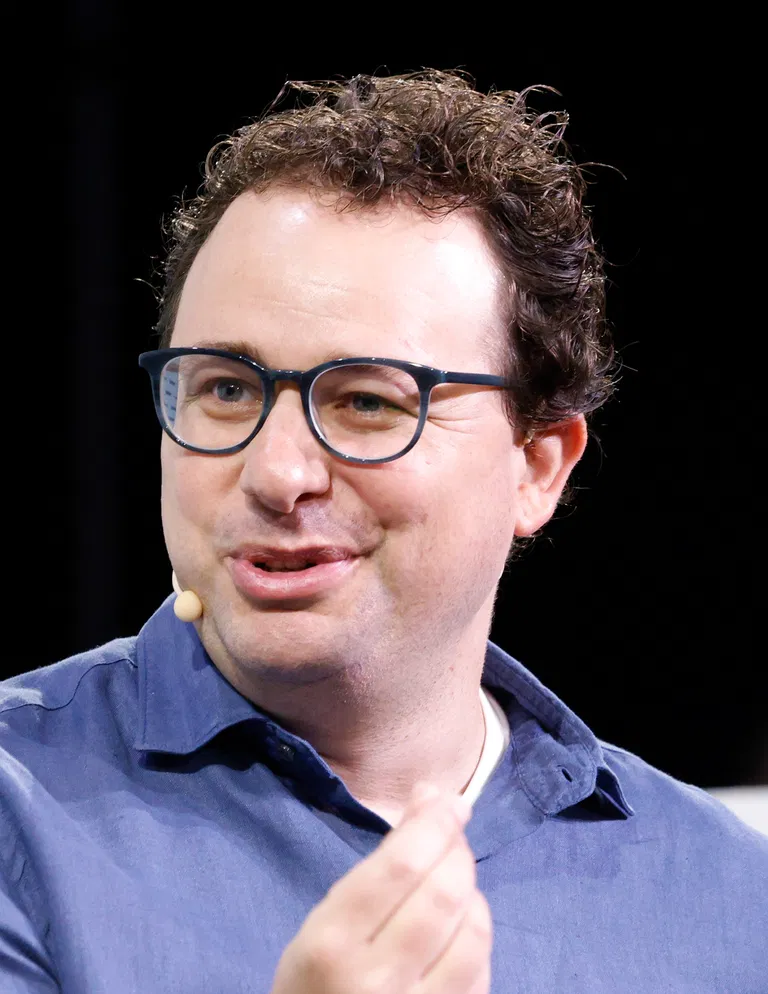
Anthropic, the artificial intelligence company behind the Claude chatbot, is set to price what is expected to be the largest initial public offering in history on Nov. 18, with shares slated to begin trading on the Nasdaq under the ticker "ANT" the following day. At the center of the debut is co-founder and CEO Dario Amodei, the former OpenAI researcher who launched Anthropic in 2021 and has since become the public face of the AI safety movement. When Anthropic set its offering range at $70 to $78 per share, it paved the way for a roughly $64 billion raise and an implied valuation near $1.4 trillion — numbers that would leave Amodei and his six co-founders with stakes worth more than $13 billion apiece. For investors deciding whether to buy in, the Anthropic IPO date, the price range, and the risks embedded in the company's explosive growth are now the central questions.
Inside Anthropic's $64 Billion IPO: The Numbers Behind the Debut
Anthropic filed its public S-1 on Oct. 26, 2026, after submitting a confidential draft on June 1, giving investors their first full look at the company's finances. The company is offering 825 million shares at $70 to $78 each, which would raise up to $64.4 billion at the top of the range. On top of that, seven companies — led by Nvidia and Alphabet, which each committed $10 billion — are buying another $26 billion of non-voting Class N stock through a private placement at the IPO price, pushing the total haul toward roughly $90 billion.
The financials explain why demand has been so intense. Anthropic generated $4.6 billion in revenue in 2025, then grew to $16.3 billion in the first half of 2026 — a gain of more than 1,300% year over year — and added roughly $17 billion more in the third quarter alone. That puts nine-month revenue at about $33.2 billion, with more than 11,900 customers generating at least $100,000 in annual revenue. The growth has come at a steep cost: the company reported net losses of $42 billion in 2025 and $80.7 billion in the first half of 2026, though much of that reflects non-cash items tied to nearly $900 billion in long-term compute commitments.
Amodei himself has become a story within the story. The S-1 revealed he earned $18 million in total compensation in 2025, mostly in stock, against a base salary of just over $654,000. The company separately spent $2.75 million on his personal security — more than four times his base pay — underscoring both his profile and the scrutiny that now surrounds AI executives.
Timeline: From S-1 Filing to Nasdaq Debut
Anthropic's path to the public market moved quickly once the paperwork began.
- Feb. 2021 — Dario Amodei co-founds Anthropic with his sister Daniela Amodei and a group of former OpenAI colleagues, after leaving OpenAI in late 2020 over disagreements about safety and commercialization.
- June 1, 2026 — Anthropic files a confidential draft registration with the SEC.
- Sept. 2026 — Reports surface that Nvidia is in talks to invest as much as $10 billion in the IPO, alongside earlier commitments from Microsoft.
- Oct. 26, 2026 — The public S-1 lands, revealing the financials and Amodei's compensation for the first time.
- Nov. 10, 2026 — Anthropic sets the price range at $70 to $78, implying a valuation of roughly $1.4 trillion.
- Nov. 11–12, 2026 — Nvidia and Alphabet each commit $10 billion in the private placement. The next day, Nvidia CEO Jensen Huang resigns amid a personal-conduct scandal, sending Nvidia shares down more than 4%.
- Nov. 13, 2026 — Amodei pitches investors on safety and a strict "no jerks" hiring culture days before pricing.
- Nov. 18–19, 2026 — Pricing is expected on Nov. 18, with shares beginning to trade as ANT on Nov. 19.
Why Dario Amodei's IPO Matters for Investors — and the Risks to Watch
For investors, the Anthropic IPO is a test of how much the public market is willing to pay for frontier AI. At the top of the range, the company would be valued near $1.4 trillion, a figure that would immediately rank it among the most valuable companies in the world. Bulls point to revenue that has grown more than tenfold in a year and a reported annualized run rate near $110 billion. Amodei's roadshow pitch leaned into that momentum, arguing that Anthropic's safety-first posture and strict culture make it the most trustworthy place for enterprises to deploy AI. He and his six co-founders have also pledged to give away 80% of their personal stakes — a promise that could be worth nearly $80 billion — which has become a notable part of his public identity.
The risks, however, are substantial. The company is still deeply unprofitable on a GAAP basis, and its losses are tied to enormous compute spending that will continue for years. Valuation is another concern: analysts and commentators have questioned whether a roughly $1.4 trillion price tag — and earlier talk of a $2 trillion valuation — can be justified before the company proves it can sustain its growth. The timing is also awkward. Anthropic's IPO is landing in the middle of a broader AI selloff, and the abrupt resignation of Nvidia CEO Jensen Huang — whose company is one of Anthropic's two largest new backers — has clouded sentiment across the sector.
Veteran tech investors have already signaled caution, with some arguing that Amodei is "just setting himself up" for relentless scrutiny from public markets. Whether the stock pops or fades after the debut will hinge on whether investors believe Claude's economics can eventually catch up to its costs.
Where the Anthropic IPO Stands Now: Oversubscribed in a Wobbly Market
Despite the jitters, demand has been overwhelming. Multiple reports say the roadshow is about six times oversubscribed, putting the deal on track to be the largest public offering in history. Amodei spent the final days before pricing in investor meetings, joined at one event by JPMorgan CEO Jamie Dimon, as the company framed its mission — and its compute spending — as a reason to believe rather than a reason to worry.
The contrast between red-hot demand and a cooling market is the defining tension of this IPO. Nvidia shares slid more than 4% after Huang's resignation, and the episode reminded investors that even the AI boom's biggest winners carry governance risk. For Anthropic, the question is whether its six-times oversubscription survives first contact with a nervous tape.
What Happens Next: Pricing Day and the Road Ahead
All eyes turn to Nov. 18, when Anthropic is expected to set its final price. If the deal prices at the top of the range, it would raise roughly $64.4 billion from the public offering plus another $26 billion from the concurrent private placement — a combined windfall that dwarfs any IPO in history. Shares would then begin trading as ANT on Nov. 19.
Beyond the debut, investors will be watching three things: whether Anthropic can keep growing revenue at anything close to its current pace, how quickly its massive compute commitments convert into operating profit, and how the newly public company handles the governance spotlight that already caught one of its biggest backers. Amodei has promised a culture built on safety and rigor; public markets will now judge whether that culture can also produce returns.
The Bottom Line: Key Takeaways for Investors
- Anthropic expects to price its IPO on Nov. 18 and begin trading on the Nasdaq as ANT on Nov. 19, 2026.
- The offering of 825 million shares is priced at $70 to $78, implying a valuation near $1.4 trillion and a raise of up to $64.4 billion.
- Nvidia and Alphabet are each buying $10 billion through a $26 billion private placement, but Nvidia's own CEO turmoil has rattled sentiment.
- Revenue has exploded to roughly $33.2 billion in the first nine months of 2026, but the company remains deeply loss-making on a GAAP basis.
- CEO Dario Amodei stands to hold a stake worth about $13.6 billion, making him a central — and closely watched — figure in the AI boom.