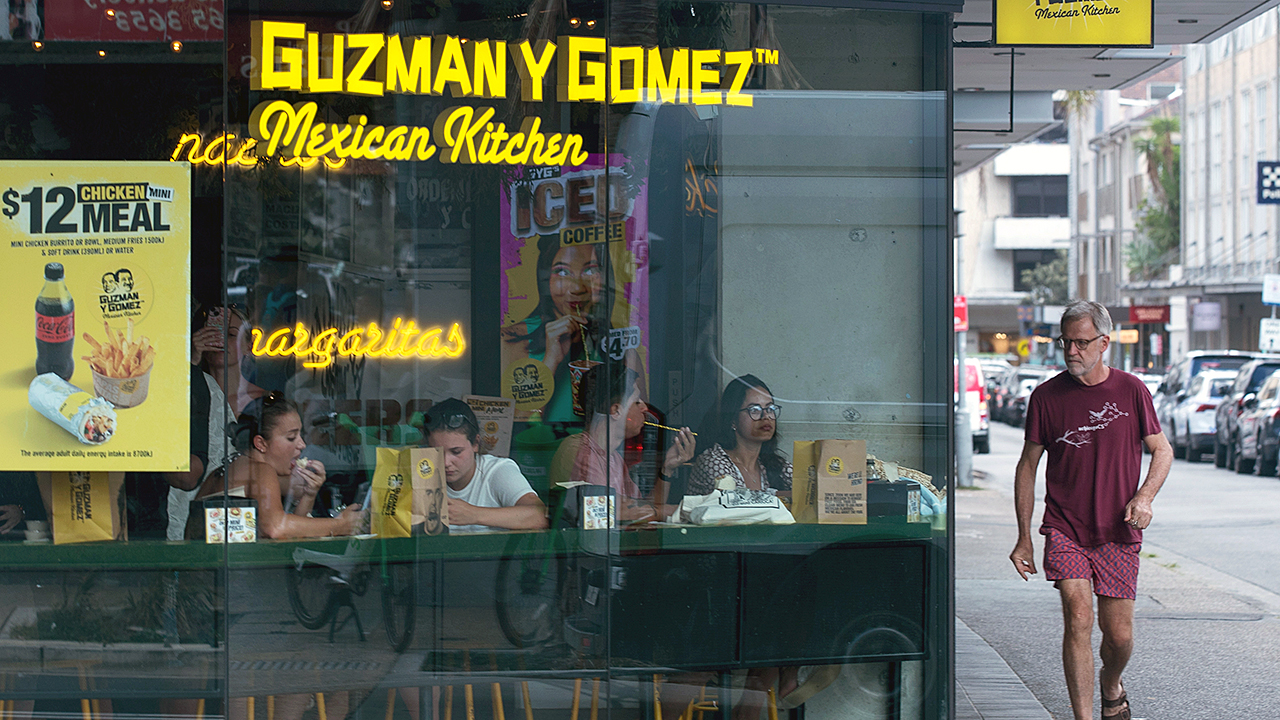
Australia's most famous Mexican fast-casual chain has thrown in the towel on American expansion. Guzman y Gomez Mexican Kitchen, the ASX-listed burrito chain often dubbed "Australia's Chipotle," permanently closed all eight of its US restaurants on May 22, 2026, abruptly ending a six-year experiment in the Chicago market that once promised "hundreds, if not thousands" of locations across the country. For investors watching Chipotle Mexican Grill (NYSE: CMG), the news removes a potential long-term competitor while highlighting the brutal realities of the current US restaurant environment.
How the US Exit Unfolded: Inside Guzman y Gomez's Retreat
The shutdown came suddenly but not without warning signs. "All GYG USA restaurants permanently closed," read a message posted on the company's US website. "Effective from May 22nd, GYG USA restaurants will cease trading. Thank you for your support." The chain also posted a farewell on Instagram, thanking customers and employees in Chicagoland, where all its American locations were concentrated.
Founder and Co-CEO Steven Marks, a native New Yorker who co-founded Guzman y Gomez in Australia, acknowledged the failure directly in an Australian Securities Exchange announcement. "I have always been confident in the differentiation of our food and guest experience, however this was not translating to an improvement in sales momentum," Marks said. "Having spent the last three months in the US, I realized this was going to take significantly more time and capital than we had expected."
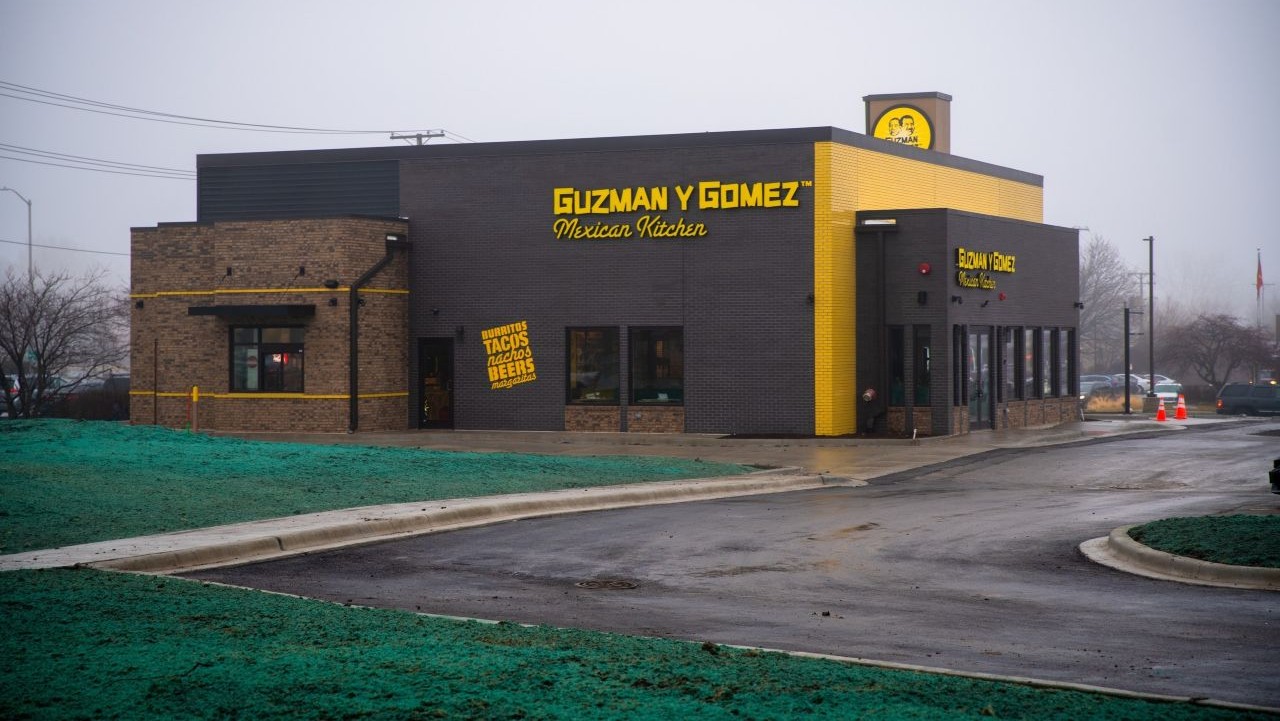
The company had made its US debut in 2020, choosing Chicago as its beachhead. At the time, founders said they intended to build a massive American footprint. Instead, the board concluded that "the business is unlikely to deliver the performance that would justify continued investment of shareholder capital." RBC Capital Markets analyst Michael Toner told Reuters the exit was ultimately positive, noting, "The U.S. business had very low prospects of being successful, and the losses of the business were weighing down the earnings of the group."
Timeline: From Ambition to Abandonment
2020: Guzman y Gomez makes its US debut in the Chicago area, opening its first location with plans for aggressive expansion. Founder Steven Marks targets "hundreds, if not thousands" of US restaurants.
June 2024: GYG lists on the Australian Securities Exchange at $22 per share. The stock surges 95% to $43, giving the company a market valuation of nearly $4 billion. Investor enthusiasm is fueled partly by the US growth story.
Mid-2025: Warning signs emerge. The company insists it is committed to the US market, with a spokesperson saying there had been "a steep change in the guest experience and a significant improvement in sales momentum."
Early 2026: GYG's stock has lost more than 40% of its value over the prior 12 months. The US expansion is increasingly seen as a drag on earnings.
May 2026: Marks spends three months in the US assessing the business. The verdict is final: the American dream is over. On May 22, all eight locations close. GYG's stock surges more than 20% on the ASX as investors cheer the retreat.
The Bigger Picture: What GYG's Failure Means for Chipotle and the Industry
Guzman y Gomez's exit leaves Chipotle — which operates roughly 4,000 restaurants across North America — without one of its most closely watched challengers in the fast-casual Mexican segment. While GYG was tiny compared to Chipotle, its presence was notable as the highest-profile attempt to replicate Chipotle's model outside of North America and bring it back to the US market.
The retreat underscores the punishing environment for restaurant chains in the United States. According to S&P Global data cited by TheStreet, three in 10 Americans have cut back on retail spending and restaurant visits compared with a year earlier. Food-away-from-home prices have surged 39.3% from January 2019 to January 2026, far outpacing the previous seven-year period. These headwinds have hammered chains across the industry, from independent operators to publicly traded titans.
For Chipotle itself, the competitive landscape is shifting. The company's stock has faced significant pressure, declining roughly 35% over the past year amid concerns about consumer spending and valuation. CMG currently trades around $32-33 per share, near the bottom of its 52-week range of $30 to $58. However, the analyst community remains broadly bullish. According to StockAnalysis, 37 analysts rate CMG a consensus "Buy," with a 12-month price target averaging $43.38 — representing potential upside of approximately 34% from current levels. Piper Sandler raised its price target to $47 in January 2026 on expectations of renewed growth, while Benzinga reports a high target of $65 from BMO Capital.
Guzman y Gomez positioned itself as a cleaner alternative in the fast-casual space, touting no added preservatives, no artificial flavors, and no added colors. That value proposition mirrors Chipotle's own "Food with Integrity" mantra — and the inability of a similar concept to gain traction in the US suggests that brand loyalty and scale matter enormously in this market.
Where Things Stand Now: Latest on GYG and CMG
As of May 2026, Guzman y Gomez's US operations are fully wound down. The company is redirecting all capital and management focus to its home market of Australia, where it operates over 220 locations and has set a long-term target of 1,000 restaurants. "Concentrating our capital, focus and infrastructure behind this opportunity is the most effective way to compound shareholder value over the long term," Marks said.
GYG's stock has recovered sharply on the ASX, climbing from $18.05 to $21.10 (a 17% gain) immediately following the exit announcement, as investors welcomed the end of a loss-making venture that had been weighing on group earnings. The company aims to achieve segment underlying EBITDA of 10% of network sales.
Chipotle, meanwhile, continues to navigate a challenging macroeconomic environment. The chain is testing new value promotions to compete with Taco Bell and other lower-priced alternatives, even as it maintains its premium positioning. With one fewer competitor in the fast-casual Mexican space and a consensus analyst price target implying more than 30% upside, CMG presents an interesting risk-reward proposition for investors willing to look past near-term headwinds.
What Happens Next: The Road Ahead for Fast-Casual Mexican
The Guzman y Gomez failure reinforces several key themes for restaurant investors. First, the US fast-casual market is extraordinarily difficult for foreign concepts to crack — The Guardian called America a "graveyard for Australian fast-food chains," noting a long list of failed expansions. Second, scale and brand recognition are formidable moats: Chipotle's 4,000-unit footprint gives it supply chain advantages, real estate leverage, and marketing power that challengers simply cannot match.
Looking ahead, analysts expect Chipotle to continue its domestic expansion, albeit at a measured pace given consumer uncertainty. The company's free cash flow is projected to reach $2.63 billion by 2029, according to Yahoo Finance estimates, with continued growth through 2035. For GYG, the story is now entirely an Australian one — and investors there are betting that focus will pay off.
Key Takeaways for Investors
- Competitive moat intact: Chipotle's nearest fast-casual Mexican rival in the US just disappeared. While GYG was small (8 locations vs. Chipotle's 4,000), the symbolic significance is meaningful.
- Analyst consensus bullish: CMG carries a consensus "Buy" rating with an average price target of $43.38, representing ~34% upside from current levels near $32.
- Industry headwinds persist: Restaurant spending is under pressure, with food-away-from-home prices up 39.3% since 2019 and consumers pulling back.
- GYG refocuses on Australia: The ASX-listed chain targets 1,000 Australian locations and 10% EBITDA margins, with investors rewarding the strategic shift with a 17%+ stock surge.
- Watch the value battle: Chipotle is testing value promotions against Taco Bell, a dynamic that could pressure margins or drive traffic depending on execution.
The message for investors is clear: scale and brand loyalty matter enormously in today's restaurant environment. Chipotle has both — and now has one less rival to worry about.