Oil prices skyrocketed near $120 per barrel on Monday, March 9, 2026, as Iran's war with the United States and Israel intensified following the appointment of a new hardline supreme leader. The sudden spike in crude oil prices—the highest since July 2022—sent shockwaves through global financial markets, wiping billions from stock valuations and forcing governments to consider emergency releases of strategic petroleum reserves. For investors, the dramatic move represents both a warning and an opportunity as energy markets grapple with the most significant geopolitical crisis in decades.
How Iran's New Supreme Leader Ignited a Global Energy Crisis
Hours after Iranian state television announced that Mojtaba Khamenei—son of the late Ayatollah Ali Khamenei—had been named the country's new supreme leader, Iran launched a fresh wave of attacks against Israel and Gulf states. The leadership transition, seen as cementing a hardline stance, signaled no letup in the conflict that began when U.S. and Israeli forces struck Iranian nuclear facilities in early June 2025.
The immediate market reaction was brutal. Brent crude, the international benchmark, surged to $119.50 per barrel in early trading before retreating to around $106, still up 14% on the day. West Texas Intermediate (WTI), the U.S. standard, briefly touched $119.48 before settling near $103. According to Fast Company, the war's toll on civilian infrastructure grew as Bahrain accused Iran of striking a desalination plant vital to drinking water supplies. Bahrain's national oil company declared force majeure after an Iranian attack set its refinery complex ablaze, releasing it from contractual obligations.

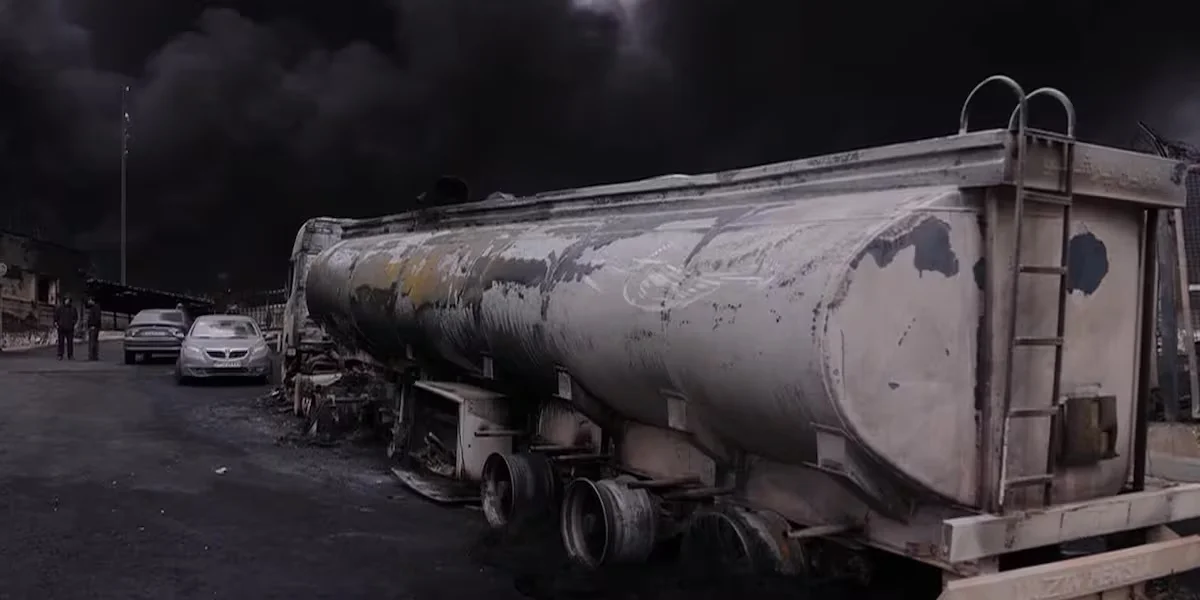
Oil depots in Tehran smoldered following overnight strikes by Israel, further threatening production and shipping in the Persian Gulf. The Strait of Hormuz—a chokepoint for about 20% of global oil shipments—has become a focal point of concern, with insurers raising premiums and some tankers avoiding the route altogether.
Timeline: From Nuclear Strikes to $120 Oil
The road to $120 oil began nearly nine months earlier. In early June 2025, Israel and the U.S. launched targeted strikes against Iran's nuclear facilities, pushing Brent crude from around $65 to the low $80s. Through the summer and fall, sporadic attacks and counterattacks kept prices volatile but within a $80–$90 range.
The situation escalated dramatically in late February 2026 when Iran retaliated with missile strikes against Israeli and U.S. bases, damaging key oil infrastructure in the Gulf. By March 1, oil had jumped 8% in a single session. The appointment of Mojtaba Khamenei on March 7 removed any hope of a diplomatic off‑ramp, and when trading resumed on March 9, prices gapped up by as much as 29% before settling around 20% higher.
Why This Oil Shock Could Rewire Global Energy Markets
Analysts are scrambling to assess the long‑term implications. Goldman Sachs notes that the conflict has already pushed Brent from $65 to over $100, but the firm maintains a bearish outlook for 2026, expecting prices to average around $60 once the crisis abates. However, Reuters warns that a prolonged war could keep prices elevated for weeks or months, disrupting supply chains and fueling inflation.
“The war in Iran won't damage the U.S. economy unless oil prices rise another 50% or so, to $125 a barrel,” several economists told Barron's. That threshold is now within sight. French President Emmanuel Macron confirmed that G7 leaders are considering releases of strategic oil reserves to alleviate pressure. “The use of strategic reserves is an envisaged option,” Macron said Monday.
The crisis is also reshaping energy‑stock valuations. Morningstar reports that a prolonged Iran war could drive oil prices higher, upending earlier expectations of an oil glut. Shares of major producers like ExxonMobil and Chevron have surged, while airlines and transportation companies have tumbled on fears of soaring fuel costs.

Where Oil Prices Stand Now and What's Driving Volatility
As of March 9, Brent crude was trading around $106, while WTI hovered near $103. The modest retreat from the day's highs reflects market expectations that G7 strategic‑reserve releases could temporarily ease shortages. However, the underlying fundamentals remain grim.
Bahrain's force‑majeure declaration, attacks on Iranian oil depots, and the continued closure of several Gulf ports have removed an estimated 2–3 million barrels per day from global supply. Shipping rates for tankers passing through the Strait of Hormuz have tripled, and insurers are demanding war‑risk premiums that add $5–$10 per barrel to delivered costs.
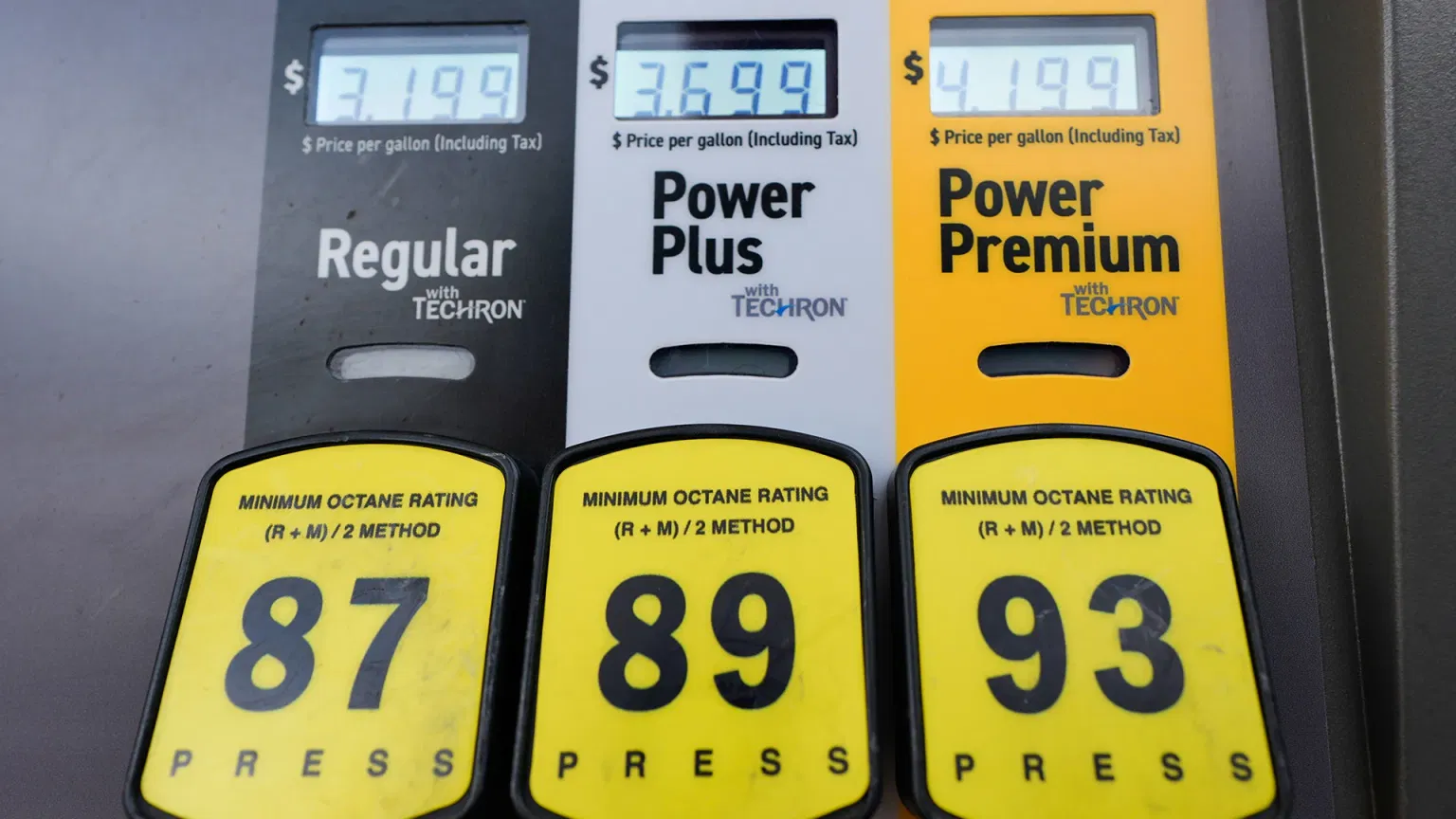
Former President Donald Trump weighed in, calling oil spikes above $100 a “small price to pay” for U.S. security. Yet for consumers, the pain is already being felt: U.S. gasoline prices have jumped 15¢ per gallon in the past week, and diesel—the lifeblood of trucking and industry—is up more than 20%.
Investment Outlook: Navigating the New Oil Price Reality
For investors, the crisis presents a classic “risk‑on, risk‑off” dilemma. Energy‑sector ETFs and direct holdings in oil majors offer exposure to higher prices, but they also carry geopolitical risk. Goldman Sachs suggests that while near‑term spikes are likely, the long‑term trend still favors lower prices as alternative energy and efficiency gains accelerate.
More defensive plays include pipeline operators and midstream companies that collect fees regardless of price volatility. Master limited partnerships (MLPs) in the U.S. and Canada often provide stable yields even when crude prices swing. Conversely, airlines, cruise lines, and other fuel‑intensive industries could face protracted headwinds.
Commodity traders might consider structured products that cap downside risk while allowing participation in further upside. Options strategies such as bull‑call spreads on Brent futures can limit capital at risk while positioning for continued strength. However, retail investors should be wary of leveraged ETFs that can amplify losses in volatile markets.
Key Takeaways for Investors in a Volatile Oil Market
The Iran war has abruptly rewritten the rules for energy investing. Three critical points stand out:
- Geopolitics now drives prices more than fundamentals. Supply‑demand balances are secondary to missile strikes and leadership changes in Tehran.
- Strategic‑reserve releases are a temporary fix. G7 stockpiles can cushion a short‑term shock but cannot replace lost production from the Persian Gulf.
- Volatility is the new normal. Investors should position portfolios for wider price swings, using hedging instruments and diversification across energy subsectors.
While no one can predict how long the Iran conflict will last, one thing is certain: crude oil prices will remain at the center of global financial markets for the foreseeable future. For savvy investors, that means staying informed, staying flexible, and remembering that today's crisis often creates tomorrow's opportunity.