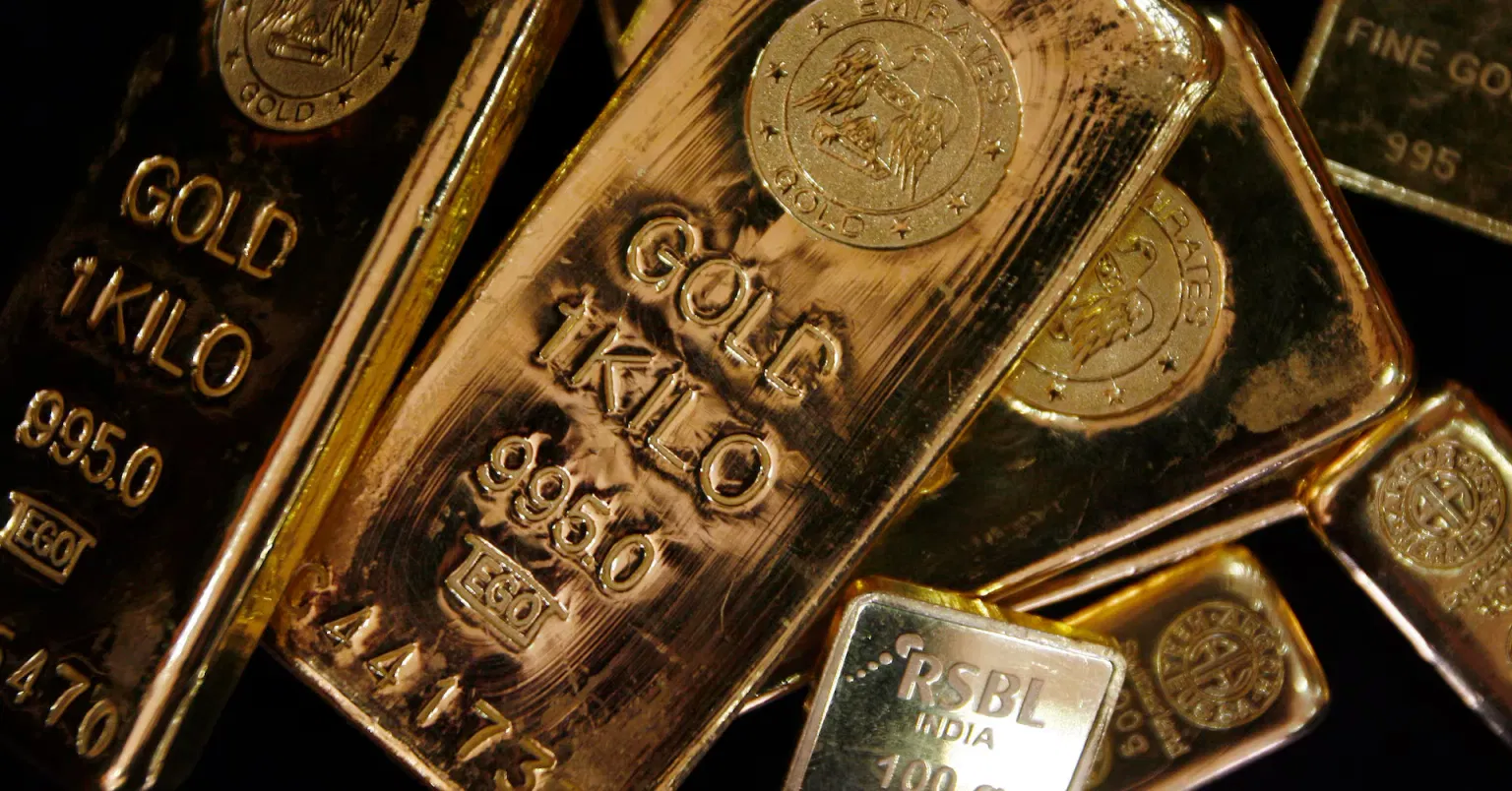
Gold prices surged past $5,200 per ounce on March 1, 2026, as investors rushed to safe-haven assets following US-Israel strikes on Iran that escalated Middle East tensions. The precious metal, already on track for its seventh consecutive monthly gain, saw immediate buying pressure as geopolitical risks overshadowed market fundamentals. According to Reuters, analysts predict gold could climb to $5,500 per ounce and potentially set new record highs as the conflict unfolds.
How the Iran Strike Unfolded: Inside the Gold Market Reaction
The coordinated military action by US and Israeli forces against Iranian targets triggered an immediate flight to safety across global markets. Gold, traditionally seen as a store of value during geopolitical crises, jumped over 1.5% in early trading. "There will be extra haven demand for gold which could see prices rise to around $5,500 again, and possibly a new record high above January's peak," noted market analysts quoted by Reuters. The reaction underscores gold's enduring role as a financial sanctuary when traditional assets face uncertainty.
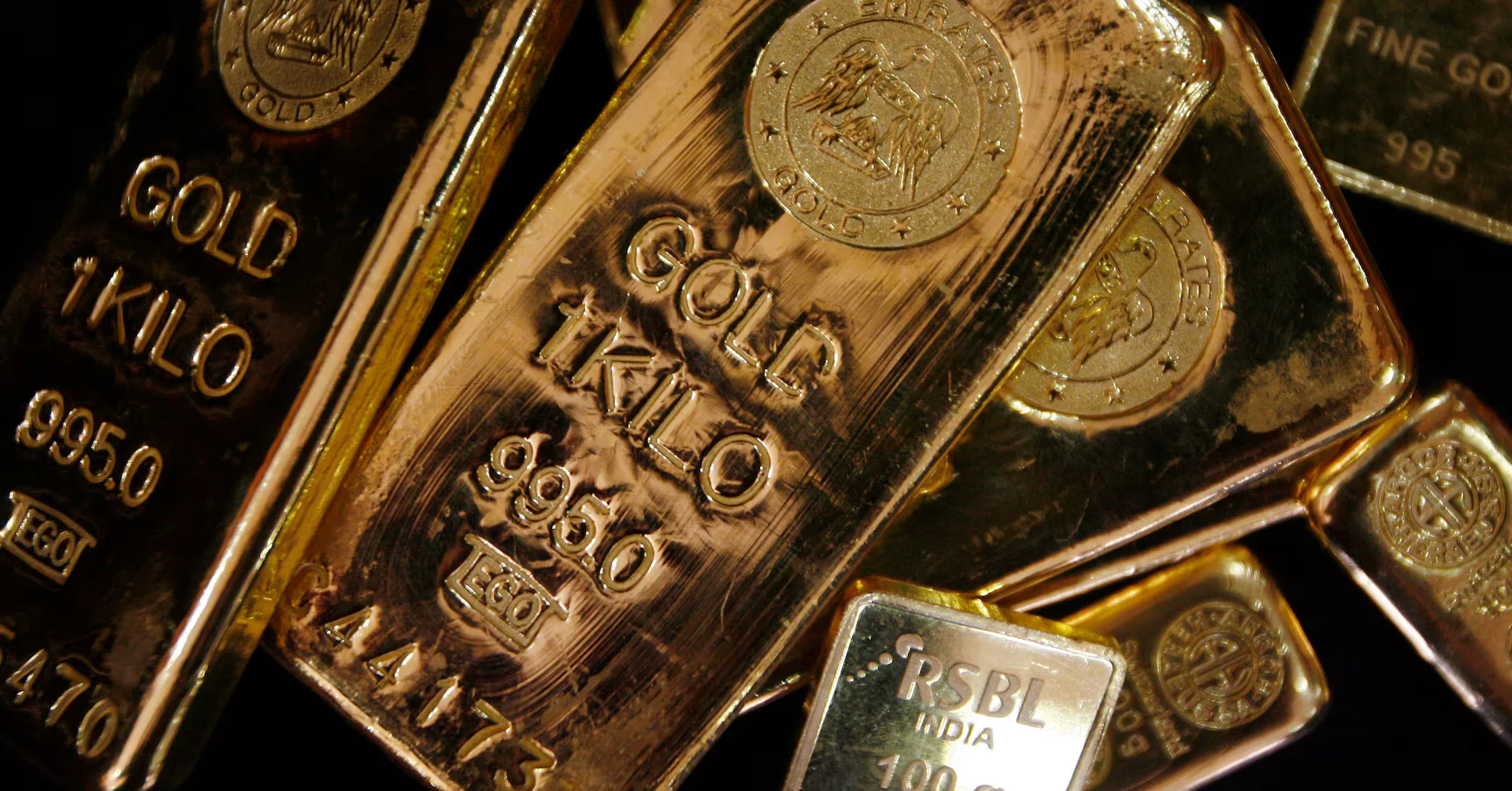
Timeline: How Gold Prices Developed Over Recent Months
Gold's current rally didn't begin overnight. The metal has been climbing steadily since mid-2025, driven by multiple factors beyond just recent geopolitical events. According to Trading Economics data, gold reached $5,278.01 per ounce on February 27, representing a 1.80% daily increase but a 2.62% monthly decline. Despite recent volatility, the metal remains 84.75% higher than its value a year ago. The seven-month winning streak, highlighted by CNBC, represents the longest sustained bull run for gold since 2020, fueled by central bank purchases, inflation concerns, and growing economic uncertainty.
Why Gold Matters: Expert Analysis and Market Impact
Several structural factors support gold's ongoing rally. Central banks, particularly from emerging markets, have been accumulating gold reserves at record rates, diversifying away from traditional reserve currencies. According to Investing.com, this institutional buying provides a strong floor for prices. Meanwhile, inflation concerns persist despite moderating rates, maintaining gold's appeal as an inflation hedge. Geopolitical tensions, from Middle East conflicts to trade disputes, continue to create uncertainty that benefits safe-haven assets. Financial institutions have responded by raising forecasts: Goldman Sachs increased its end-2026 gold price target to $5,400 per ounce, while JP Morgan lifted its long-term forecast by 15% to $4,500 per ounce.
Where Things Stand Now: Latest on Gold Price Movements
As of March 1, 2026, spot gold trades around $5,250-$5,300 per ounce, with futures markets indicating further gains when trading resumes. The Economic Times reports that bullion experts expect either record highs or increased volatility in coming sessions, depending on how the Iran conflict develops. Market participants are closely watching several indicators: Middle East developments, US dollar movements, and central bank policy statements. The dollar's recent softening has provided additional support to dollar-denominated gold prices, creating a perfect storm of supportive factors.
What Happens Next: The Road Ahead for Gold Investors
Looking forward, analysts see multiple potential scenarios for gold. If geopolitical tensions de-escalate, some profit-taking could temporarily pressure prices. However, most experts believe the long-term trajectory remains upward due to structural demand factors. UBS analysts, cited in market reports, suggest gold's bull market should continue through 2026, supported by ongoing central bank purchases estimated at 800 tonnes annually. For individual investors, the current environment suggests maintaining some gold exposure as portfolio insurance while being prepared for volatility. Dollar-cost averaging into gold ETFs or physical bullion could help navigate uncertain price movements.
The Bottom Line: Key Points to Remember
- Gold prices surged past $5,200 per ounce following US-Israel strikes on Iran, highlighting its safe-haven status
- The metal is heading for its seventh straight monthly gain, supported by geopolitical uncertainty, central bank buying, and inflation concerns
- Despite recent volatility, gold remains 84.75% higher than a year ago, indicating a strong structural bull market
- Major banks have raised forecasts, with Goldman Sachs targeting $5,400 per ounce by end-2026
- Investors should consider gold as portfolio insurance but be prepared for continued volatility as geopolitical events unfold