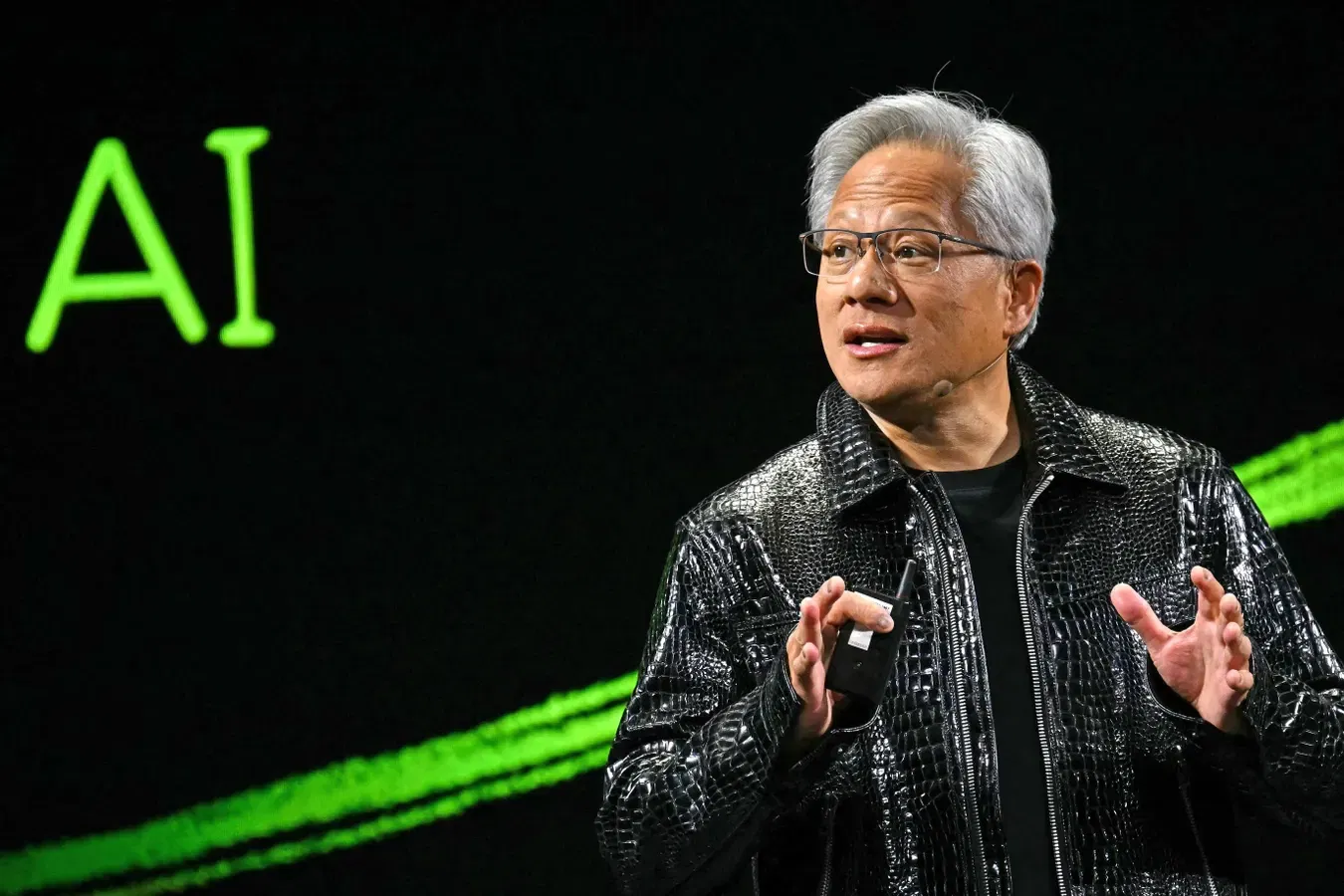
Nvidia (NVDA) has done what no company has ever done before. The AI chip giant's market capitalization soared past $5.5 trillion this week, hitting a record $5.7 trillion as shares climbed to an all-time high of $235.74 on May 14, 2026. The stock has surged roughly 20% in the last four weeks alone, fueled by a perfect storm of analyst upgrades, geopolitical developments, and accelerating AI demand that shows no signs of slowing down.
With a market cap now within striking distance of $6 trillion — a valuation no company has ever achieved — Nvidia is cementing its position as the undisputed king of the artificial intelligence revolution. The rally has added more than $900 billion to its market capitalization in just seven days, according to Bloomberg, and investors are asking one question: how much higher can it go?
How Nvidia's Record Rally Unfolded: Inside the $900 Billion Week
The fireworks began when Bank of America analyst Vivek Arya raised his Nvidia price target to $320 from $300 on May 13, maintaining a Buy rating while boosting the firm's AI data center total addressable market outlook to $1.7 trillion from $1.4 trillion. "2026 will continue to be a year of accelerating AI sales and return on investments for Nvidia," Arya wrote, according to TheFly.
The very next day, Cantor Fitzgerald analyst C.J. Muse one-upped the Street by hiking his price target to $350 from $300, implying roughly 50% upside from current levels. UBS analyst Timothy Arcuri followed suit, raising his target to $275 from $245. The consensus among 37 analysts covering NVDA remains a Buy, with an average price target of $274.78.
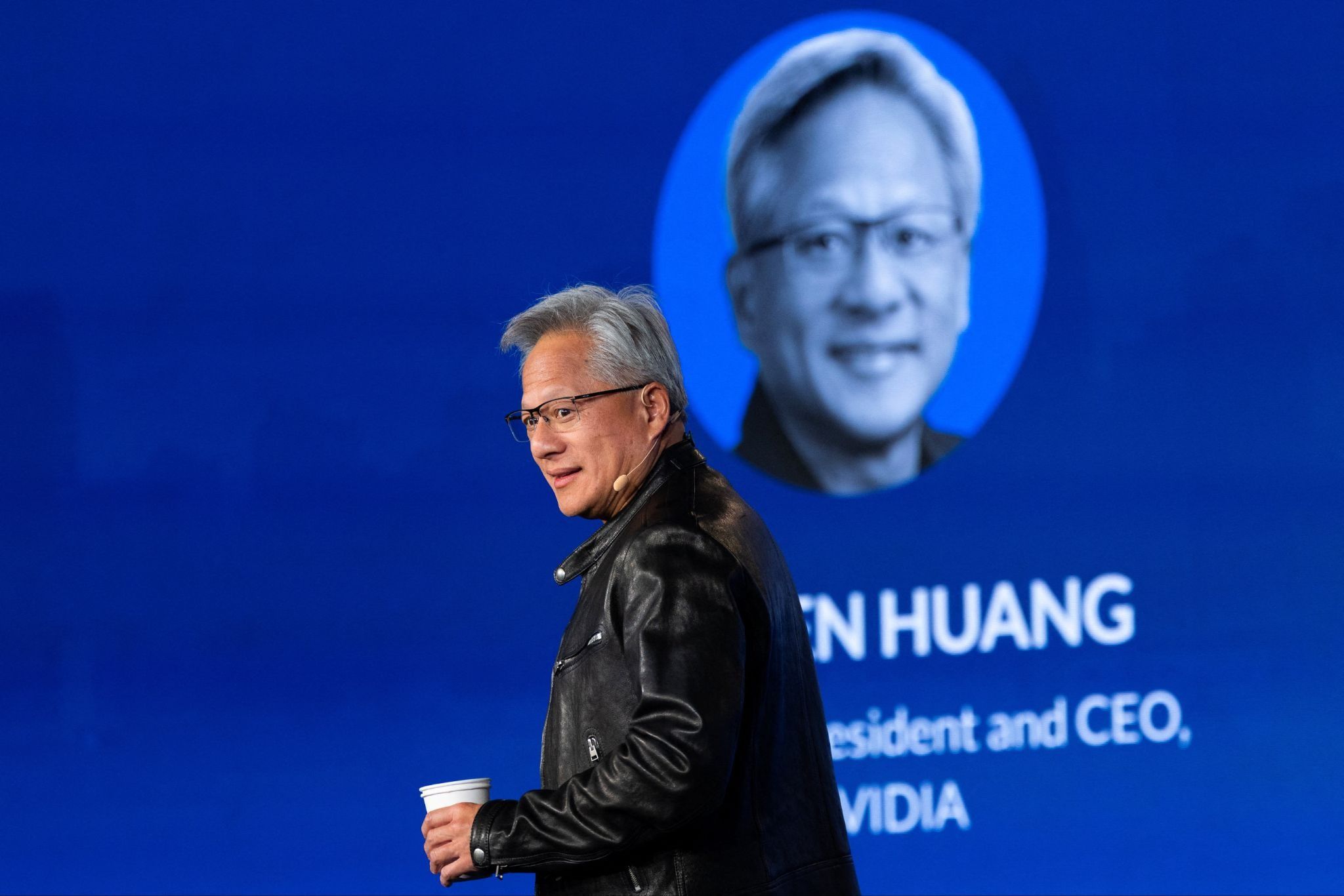
On Stocktwits, retail sentiment turned "extremely bullish" from "bullish" amid high message volumes. One user predicted the stock could hit $300 if the U.S. and China announce a deal for Nvidia's chips, while another expects the company's market cap to hit $6 trillion soon.
Timeline: From $5 Trillion to $6 Trillion in Record Time
Nvidia first crossed the $5 trillion market cap threshold in 2025, becoming the first company ever to do so. But the pace of wealth creation has only accelerated in 2026. On April 24, the stock closed at a then-record $208.27, pushing market cap past $5 trillion again after a brief dip. By April 28, shares jumped another 4% to $208.27 — its highest closing price at the time — pushing the valuation to $5.2 trillion. On May 11, NVDA closed at $219.44, marking its third all-time closing high of 2026 and extending gains to four consecutive sessions. By May 13, Nvidia became the first company to hit a $5.5 trillion market cap as shares surged 3% to an intraday high of $227.16. On May 14, the stock closed at $235.74 — an all-time record — with market cap reaching $5.7 trillion, now just $300 billion shy of the historic $6 trillion milestone.
Why This Rally Is Different: The Three Catalysts Powering Nvidia's Surge
Three powerful catalysts are converging to drive Nvidia's stock to unprecedented heights. First, the fundamentals are staggering. Nvidia closed fiscal 2026 with $215.94 billion in total revenue, up 65% year-over-year, with Data Center revenue reaching $62.31 billion in Q4 alone — up 75% from the prior year. For Q1 FY2027, analysts expect revenue of $78.98 billion and adjusted earnings of $1.78 per share, numbers that would have seemed impossible just a few years ago.
Second, the next-generation Vera Rubin platform is on track for deployment in late 2026. Despite some supply chain rumors, Nvidia has confirmed that Rubin remains on schedule, with seven new chips now in full production. The Rubin architecture promises to open the "next frontier of agentic AI," according to Nvidia's official announcement. BofA believes improving tokenomics and efficiency in 2027 will be driven by "new architecture compute and memory systems ramping."
Third — and perhaps most importantly for near-term sentiment — CEO Jensen Huang has joined President Trump's official delegation to Beijing for a high-stakes summit with Chinese leader Xi Jinping. Huang will be alongside Apple's Tim Cook and Tesla's Elon Musk in what Semafor described as a "bargaining chip" scenario. A potential breakthrough on AI chip sales to China could open an enormous additional revenue stream for Nvidia. The company already received U.S. government clearance in January 2026 to sell H200 chips to vetted Chinese customers (subject to a 25% tariff), and further liberalization could be a game-changer.
Where Things Stand Now: Latest on Nvidia's Historic Run
As of May 14, NVDA trades at $235.74 with a forward P/E of approximately 48. The stock has gained 21% year-to-date and more than 84% over the past 12 months, dramatically outperforming the S&P 500. The 52-week range sits at $129.16 to $236.54, meaning shares are trading within 1% of their absolute high. Nvidia is now the most valuable publicly traded company in the world, having surpassed Apple and Microsoft in market capitalization. The company also recently announced strategic partnerships with IREN to deploy up to 5 gigawatts of AI infrastructure and with Corning to expand U.S. manufacturing of optical connectivity solutions.
What Happens Next: The Road Ahead for Nvidia Investors
All eyes are now on Nvidia's Q1 FY2027 earnings report, scheduled for May 20 after the closing bell. The results will be the first major test of whether the stock's valuation can be justified by continued exponential growth. Beyond earnings, the outcome of the Trump-Xi summit in Beijing could be the next major catalyst. A China chip deal would not only expand Nvidia's addressable market but also remove a major geopolitical overhang that has weighed on the stock.
Wall Street remains overwhelmingly bullish. With a median price target of $274.78 implying another 17% upside, and bull case targets as high as $380, the path to a $6 trillion market cap looks increasingly plausible. As BofA put it, 2026 is shaping up to be "the year of accelerating AI sales."
Key Takeaways from Nvidia's Record-Breaking Rally
- Nvidia stock hit an all-time high of $235.74, pushing market cap to $5.7 trillion
- Multiple analysts raised price targets, with Cantor Fitzgerald leading at $350
- CEO Jensen Huang joined Trump's China summit to negotiate AI chip market access
- Fiscal 2026 revenue hit $215.94 billion, up 65% year-over-year
- Q1 FY2027 earnings due May 20 with $78.98 billion revenue expected
- The Vera Rubin AI chip platform remains on track for late 2026 deployment
- Nvidia has gained 21% year-to-date and 84% over the past 12 months