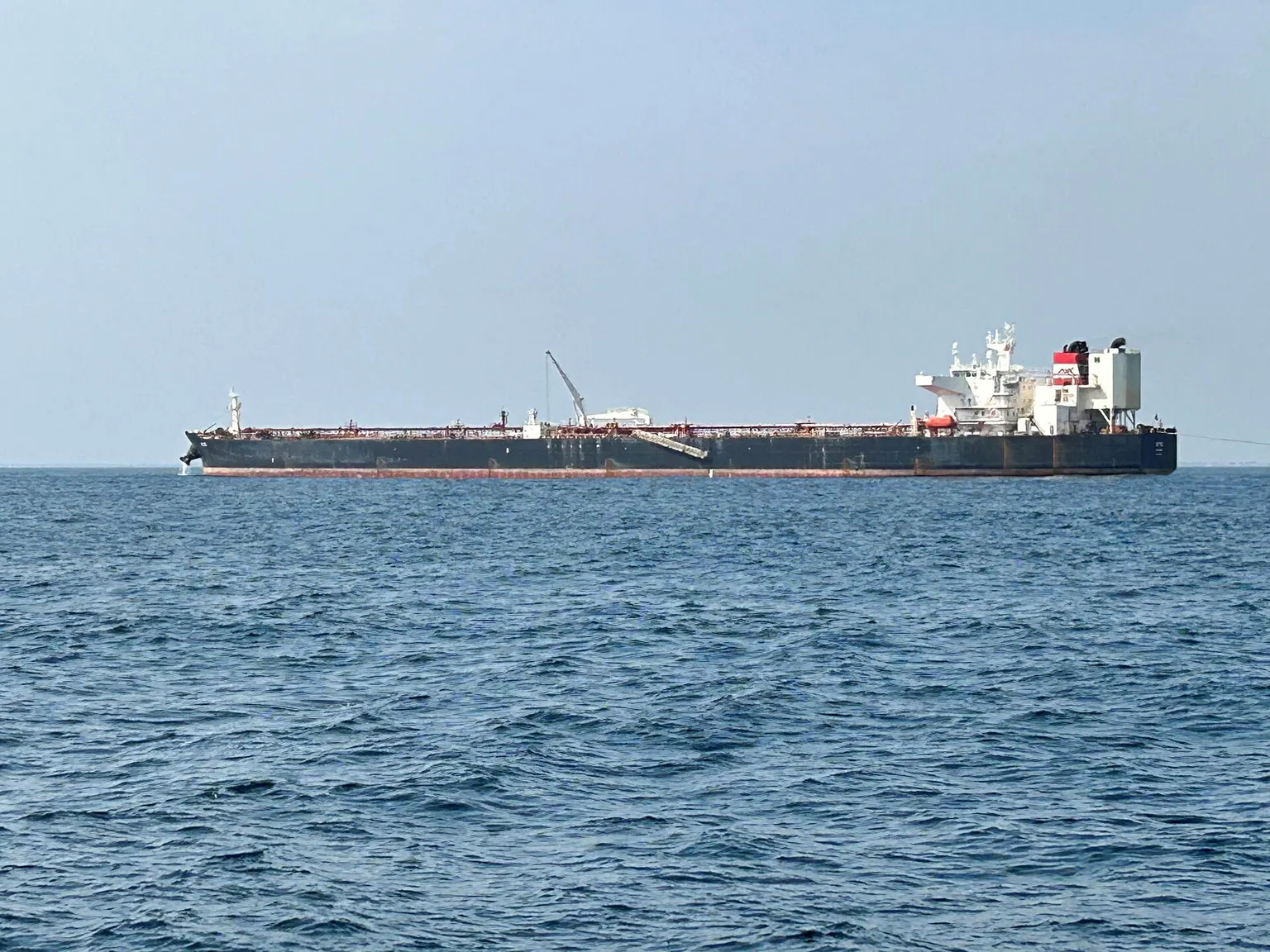
Oil markets entered December with renewed volatility as OPEC+ once again delayed planned production increases, extending deep output cuts through 2026 in a move that failed to prevent prices from sliding on growing supply glut fears. Brent crude futures settled at $71.12 a barrel on December 6, shedding 1.4%, while U.S. West Texas Intermediate crude fell 1.6% to $67.20, cementing weekly losses that reflected deepening concerns about weak global demand overshadowing the cartel's efforts to support prices.
How the OPEC+ Decision Unfolded: Inside the Production Strategy Shift
The Organization of the Petroleum Exporting Countries and its allies, a group known as OPEC+ that pumps about half the world's oil, confirmed on December 5 what markets had anticipated for weeks: the coalition would push back the start of oil output rises by three months until April and extend the full unwinding of cuts by a year until the end of 2026. This marks the third postponement since September, highlighting the persistent challenges posed by sluggish demand growth and rising production outside the group.
Under the revised strategy, OPEC+ members will now restrict their combined production to 39.725 million barrels per day until December 31, 2026, rather than just through 2025 as previously planned. Eight member countries will extend their 2.2 million-barrel-per-day voluntary production decline into the first quarter of 2025, then begin incremental increases between April and September 2026. Additionally, several members will postpone unwinding a separate 1.7-million-barrel-per-day cut until the end of 2026.
"They have been talking about this output hike since June but they are still delaying," said Bjarne Schieldrop, chief commodities analyst at SEB. "This means there is no upside to the oil price in the next couple of years." The decision came after OPEC+ postponed its meeting from December 1 to December 5, with the coalition citing scheduling conflicts with the Gulf Summit in Kuwait City.
Timeline: How the Oil Market Reached This Critical Juncture
The road to December's decision began earlier this year as weakening demand signals, particularly from China, began to reshape market expectations. In September, OPEC+ first delayed its planned production increases, then pushed back the timeline again in November before the final December postponement. Throughout this period, Brent crude has largely remained trapped in a $70-$80 per barrel range, reflecting the tension between OPEC+'s supply management and underlying demand concerns.
Key developments in recent months include China's dramatic slowdown in oil demand growth, which saw the world's largest crude importer's consumption growth drop to its lowest level in years. Simultaneously, U.S. shale production remained resilient, with the Baker Hughes rig count showing increases in both oil and gas rigs for the first time in eight weeks in early December. Geopolitical tensions in the Middle East provided occasional support, but these were insufficient to overcome the fundamental weakness in demand outlooks.
Why This Matters: Expert Analysis and Market Implications
The International Energy Agency's December Oil Market Report provides crucial context for understanding the current dynamics. The IEA projects world oil demand growth will accelerate only modestly from 840,000 barrels per day in 2024 to 1.1 million barrels per day in 2025, reaching total consumption of 103.9 million barrels daily. "The decision by OPEC+ to delay the unwinding of its additional voluntary production cuts has materially reduced the potential supply overhang that was set to emerge next year," the IEA noted, while cautioning that "persistent overproduction from some OPEC+ members, robust supply growth from non-OPEC+ countries and relatively modest global oil demand growth leaves the market looking comfortably supplied in 2025."
Analysts from leading financial institutions echo this cautious outlook. HSBC Global Research stated that "while OPEC+'s decision to hold off strengthens fundamentals in the near term, it could be seen as an implicit admission that demand is sluggish." The bank now expects a smaller oil market surplus of 200,000 barrels per day, down from 500,000 previously. Bank of America forecasts that increasing oil surpluses will drive the price of Brent to an average $65 a barrel in 2025, while maintaining that oil demand growth will rebound to 1 million barrels per day next year.
Capital Economics analysts offered perhaps the most pointed assessment: "While today's decision by OPEC+ to delay the unwinding of some of its oil production cuts until April 2025 buys the group some time, the backdrop of weak global oil demand means that it could easily find itself back in a similar position in three months' time. In our view, the fundamentals for oil prices remain weak, and the risks to prices are skewed to the downside."
Where Things Stand Now: Current Market Conditions
As of early December, the oil market presents a complex picture. Benchmark crude futures have traded in a relatively narrow $5 per barrel range, with ICE Brent hovering around $73. The U.S. rig count increase to 482 oil rigs (the highest since mid-October) and 102 gas rigs (the highest since early November) signals that American producers are responding to price signals, potentially adding to global supply. Despite these increases, the total rig count remains 6% below year-ago levels, suggesting some ongoing caution among drillers.
Geopolitical factors continue to provide underlying support, with ongoing conflicts in the Middle East maintaining a risk premium in prices. However, the implementation of cease-fire agreements between Israel and Lebanon has reduced immediate concerns about production disruptions in the oil-rich region. The impending return of President-elect Donald Trump to the White House adds another layer of uncertainty, given his previous "drill, baby, drill" approach to U.S. energy production and hardline stance on Iranian sanctions.
What Happens Next: The Road Ahead for Oil Markets
The coming months will test OPEC+'s latest strategy as markets assess whether the extended cuts can effectively balance supply against uncertain demand. Several key developments will shape the trajectory: the actual implementation of production adjustments by OPEC+ members, the resilience of U.S. shale production in the face of potentially lower prices, China's economic recovery and its impact on oil consumption, and geopolitical developments that could either disrupt supply or further dampen demand.
For investors, the current environment suggests several strategic considerations. Commodity-focused exchange-traded funds (ETFs) may face continued volatility, while energy sector stocks could experience pressure if prices remain subdued. The divergence between OPEC+ managed supply and non-OPEC+ production growth creates opportunities for discerning investors to position around regional and technological advantages within the energy complex. Additionally, the energy transition continues to reshape long-term demand patterns, making selective investments in companies with strong balance sheets and adaptive business models increasingly important.
The Bottom Line: Key Points for Investors
OPEC+'s decision to extend production cuts through 2026 reflects deep-seated concerns about global oil demand that transcend short-term market fluctuations. With the International Energy Agency projecting a 950,000 barrel per day supply overhang in 2025 that could expand to 1.4 million barrels daily if cuts are unwound, the balance of risks appears tilted toward continued price pressure. For commodity investors, this environment demands careful attention to supply dynamics across different regions, technological innovation in energy production and consumption, and the evolving geopolitical landscape that continues to shape global energy markets. While volatility may create trading opportunities, the fundamental picture suggests a cautious approach to oil-related investments in the coming year.