
SpaceX is poised to make history with a confidential IPO filing that could value the company at over $1.75 trillion, marking one of the largest public offerings ever. As the aerospace giant continues its relentless launch schedule, including yesterday's successful Falcon 9 mission deploying 29 Starlink satellites, investors are scrambling to understand how they can gain exposure to the rapidly expanding space economy. This monumental valuation—driven primarily by Starlink's explosive growth—signals a new era for space investments and presents unique opportunities for forward-thinking portfolios.
How SpaceX's IPO Could Reshape the Investment Landscape
Elon Musk's SpaceX has revealed plans for a groundbreaking Initial Public Offering that could take place in mid-2026. The company is expected to submit a confidential filing as soon as March, with its public debut set for June. Targeting a staggering $1.75 trillion valuation, SpaceX would immediately become one of the world's most valuable companies, surpassing many established technology giants. The IPO aims to raise approximately $50 billion in capital, which would shatter previous records for single offerings and create unprecedented liquidity in the space sector.
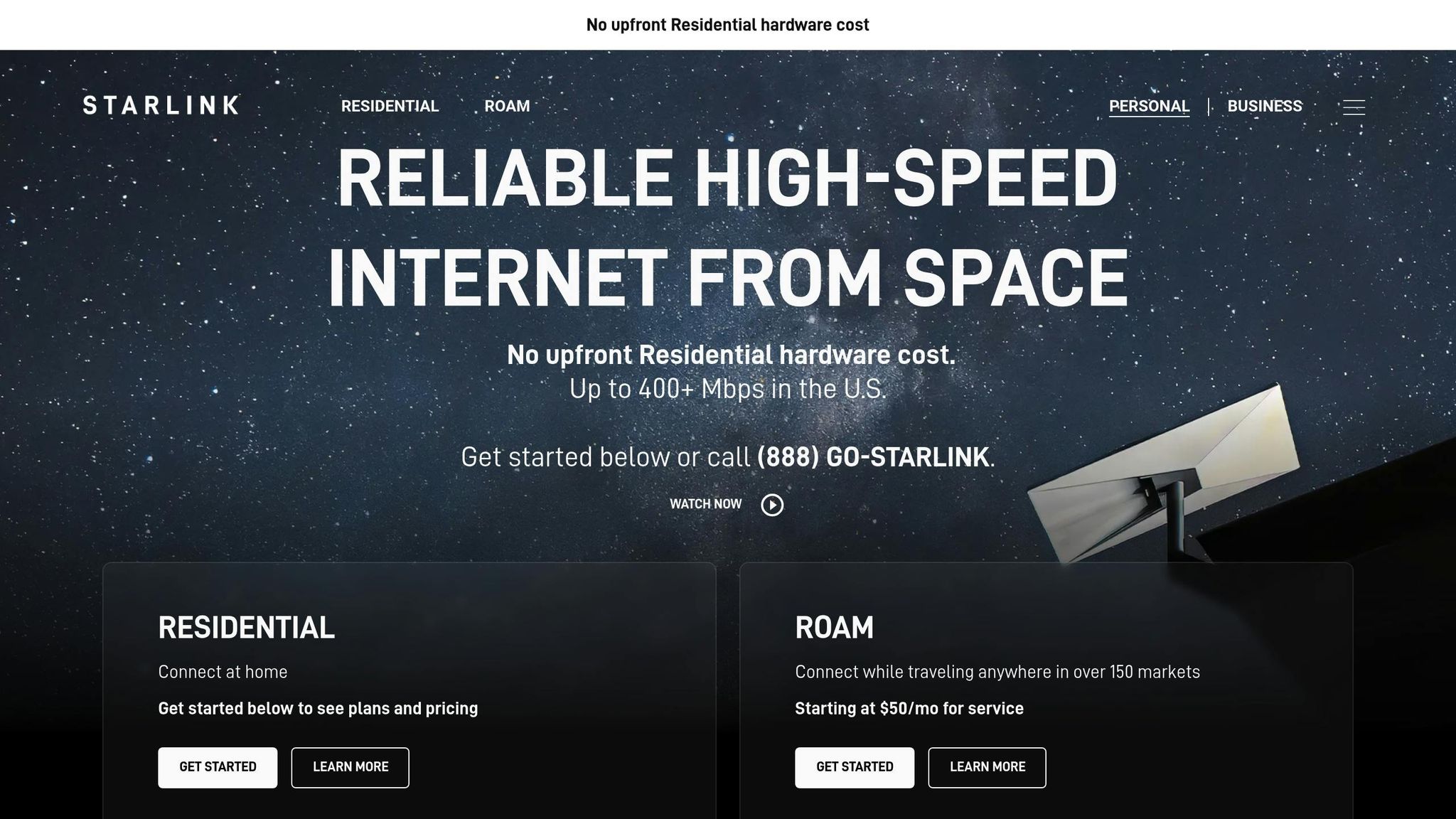
The primary engine behind this astronomical valuation is SpaceX's Starlink satellite internet service. Projected to generate approximately $18.7 billion in revenue for 2026, Starlink would account for 79% of SpaceX's total expected revenue of $23.8 billion. This represents an 80% increase in Starlink's revenue year-over-year, reflecting its rapid international expansion and growing market dominance. What's particularly notable for investors is the shifting revenue composition—NASA contracts are expected to account for only 5% of SpaceX's revenue, highlighting the company's successful transition toward commercial space services.
Timeline: From Rocket Launches to Record-Breaking Valuation
The road to SpaceX's potential IPO has been paved with consistent technological achievements and market expansion. On March 1, 2026, SpaceX successfully launched a Falcon 9 rocket from Florida's Space Coast, carrying 29 Starlink satellites into orbit—marking another routine mission in the company's aggressive launch cadence. This launch was part of a packed March schedule that includes multiple Starlink missions from both Florida and California launch sites, demonstrating SpaceX's operational scale and reliability.
The confidential IPO filing expected in March 2026 follows years of steady valuation growth, with SpaceX's private market valuation climbing from $210 billion in 2023 to an estimated $400 billion by mid-2025. The current $1.75 trillion target represents a nearly 4.4x multiple from those mid-2025 figures, reflecting investor confidence in Starlink's trajectory and SpaceX's broader space infrastructure capabilities. If achieved, this valuation would position SpaceX ahead of all but five S&P 500 companies, creating immediate ripple effects across aerospace and technology stocks.

Why This IPO Matters for Everyday Investors
While SpaceX itself remains privately held, the upcoming IPO creates multiple avenues for investor participation. The most direct path will be through purchasing shares when they become publicly available, likely in June 2026. However, investors should also consider the broader implications for the aerospace sector. Established defense contractors like Lockheed Martin and Boeing could see increased investor interest as comparisons are drawn between traditional aerospace valuations and SpaceX's premium multiple.
Space-focused ETFs such as ARKX (ARK Space Exploration & Innovation ETF) provide diversified exposure to the growing space economy and would likely increase their SpaceX holdings post-IPO. Additionally, companies in SpaceX's supply chain—from satellite component manufacturers to launch service providers—stand to benefit from the increased attention and capital flowing into space infrastructure. The IPO could also validate higher valuations for smaller space companies, potentially creating a "rising tide lifts all boats" effect across the sector.
Where Things Stand Now: Latest Developments and Market Impact
As of early March 2026, SpaceX continues to dominate launch activity with multiple missions scheduled weekly. The company's Starlink constellation now numbers in the thousands, providing global internet coverage that has become increasingly competitive with terrestrial alternatives. Recent launches have focused on deploying next-generation satellites with direct-to-cell capabilities, expanding Starlink's addressable market to include mobile users worldwide.
Financially, SpaceX's Bitcoin holdings—approximately 8,285 BTC valued at around $543 million—add another dimension to investor considerations. If the IPO proceeds as planned, SpaceX would become the second trillion-dollar company to hold significant cryptocurrency assets, following Tesla. This positions SpaceX uniquely at the intersection of space technology and digital assets, potentially attracting investors interested in both sectors.
What Happens Next: Predictions for the Space Investment Frontier
The success of SpaceX's IPO will likely depend on several key factors: Starlink's ability to maintain its explosive growth trajectory, the company's progress toward profitability, and broader market conditions at the time of listing. Analysts project that a successful offering could generate renewed investor interest in other space companies, potentially sparking a wave of follow-on offerings and increased venture capital flowing into space technology startups.
For individual investors, the coming months present opportunities to research space-sector ETFs, evaluate aerospace supply chain companies, and consider how SpaceX's valuation might affect related technology stocks. Those unable to invest directly in SpaceX can still position their portfolios to benefit from the expanding space economy through diversified funds and companies with space-related revenue streams.
The Bottom Line: Key Investment Takeaways
SpaceX's potential $1.75 trillion IPO represents more than just another company going public—it signals the maturation of the commercial space industry and creates unprecedented investment opportunities. The Starlink-driven valuation highlights how satellite internet has transformed from a speculative venture into a substantial revenue generator. While direct investment will require patience until shares become available, savvy investors can begin positioning themselves now through space-focused ETFs, aerospace suppliers, and technology companies benefiting from space infrastructure growth. As launch cadence accelerates and Starlink expands globally, the space economy is transitioning from science fiction to solid investment thesis.