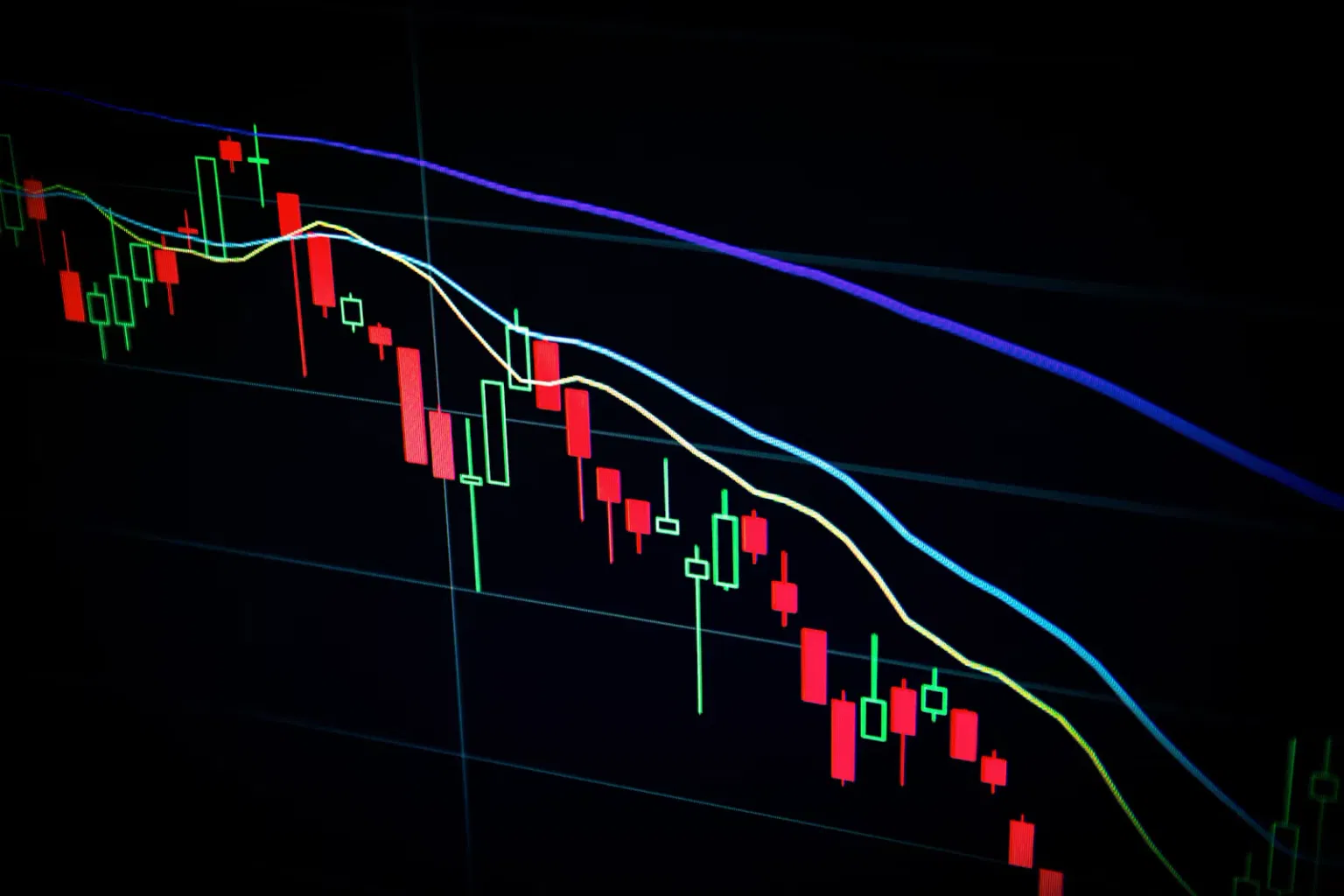
The stock market is caught in the grip of a brutal, AI-driven selloff — and the pain is no longer confined to Silicon Valley. The tech-heavy Nasdaq Composite suffered a punishing October, with several AI-linked stocks sliding more than 15% during the month, and strategists at Reuters now warn that an AI-driven downturn "could sharply deepen the slowdown and even tip several major economies into recession." For everyday investors watching their portfolios, the message is stark: the same artificial-intelligence trade that powered markets to record highs has become their single biggest source of risk.
At the center of the storm is a question Wall Street still cannot answer: will Big Tech's enormous bet on artificial intelligence ever pay off? Hyperscalers have committed an estimated $500 billion to data centers, chips, and AI infrastructure — a spending spree that has left shareholders asking where the returns are. Nvidia, the AI bellwether, deepened the unease by teaming up with Blackstone, BlackRock, and Goldman Sachs on $500 billion in AI-infrastructure financing, a circular arrangement that critics say echoes the dealmaking that preceded the dot-com bust.
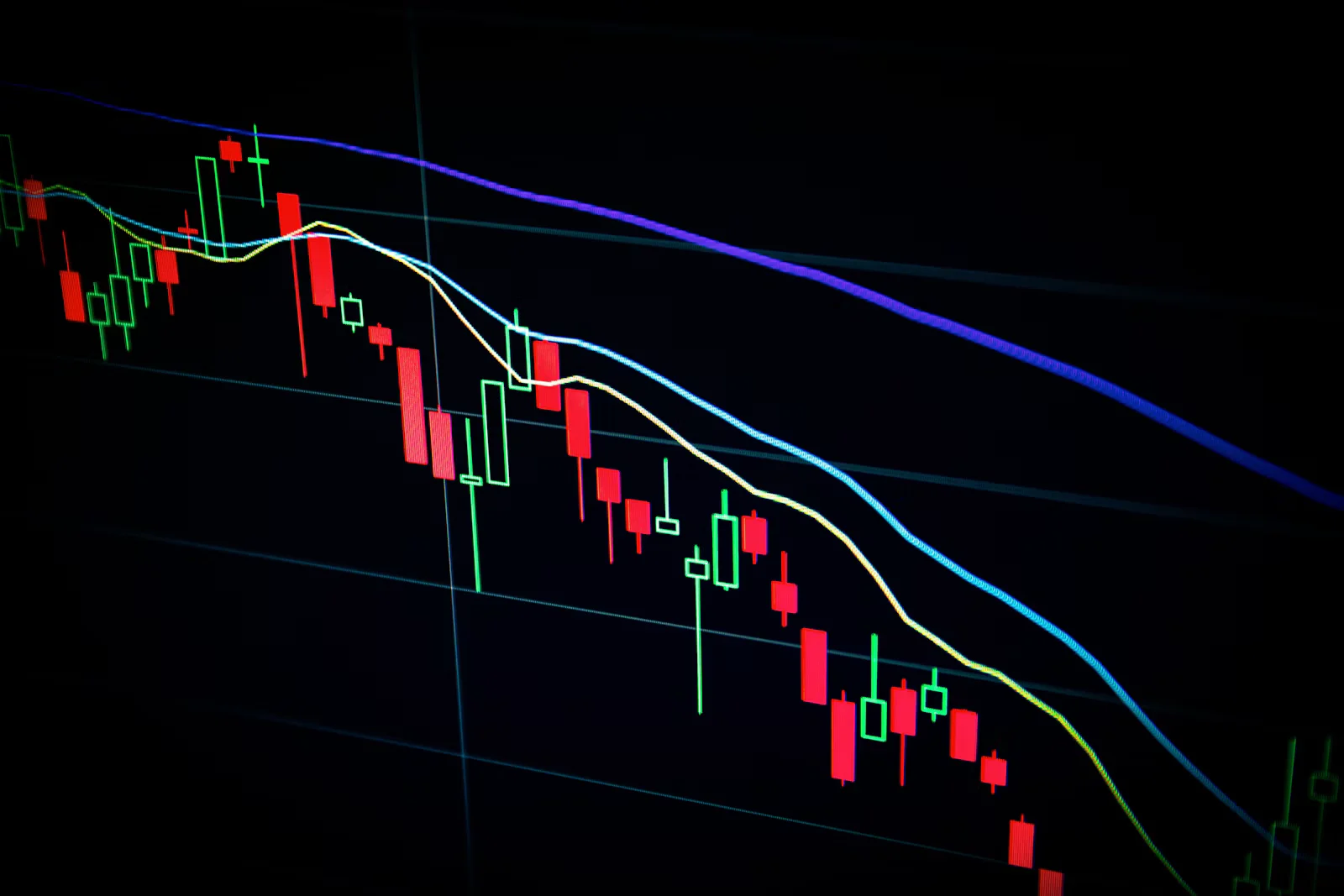
How the AI Trade Unraveled: From Record Highs to Recession Fears
The rot began in earnest over the summer. In July, global markets suffered a sharp swoon as investors began questioning whether the hundreds of billions of dollars flowing into AI infrastructure would ever translate into profit. By August, Nvidia's $500 billion financing push — backed by some of Wall Street's most powerful names — had analysts warning of "hype mode," while research firms drew increasingly direct parallels to the late-1990s dot-com bubble. One market researcher told Business Insider the setup looked "exactly how the dot-com bubble burst."
October turned that anxiety into a rout. On October 22, sharp drops in AI stocks overwhelmed markets worldwide as oil prices jumped, sending the S&P 500 down 1.2% for its worst single day since July. Megacap tech led the decline, and by month's end the Nasdaq had fallen roughly 15% — a punishing stretch that has left even bullish strategists bracing for more volatility.
The selling has not let up in November. A morning rally in U.S. stocks fizzled this week as fresh losses for AI and tech companies overshadowed gains across most of the market, according to the Associated Press. Bloomberg's markets desk summed up the mood bluntly: "Every selloff of tech stocks chips away at the vaunted promise of artificial intelligence — and there have been several."
Timeline: How the AI Selloff Built Through 2026
- June 2026: AI-valuation jitters surface, with analysts drawing direct parallels to the dot-com era and questioning Nvidia's soaring price.
- July 2026: A global "July swoon" hits as investors ask whether Big Tech's AI investments can pay off. AMD executives push back, insisting the returns are "being seen" as the company ramps its own AI usage.
- August 2026: Nvidia announces a $500 billion AI-financing partnership with Blackstone, BlackRock, and Goldman Sachs. Separately, President Trump's "Economic D-Day" against Iran sends the Dow tumbling 700 points and pushes Brent crude toward $92 a barrel.
- October 2026: AI stocks suffer sharp drops worldwide, the S&P 500 logs its worst day since July, and the Nasdaq closes the month down roughly 15%.
- November 2026: Selling continues, the Reuters "brutal AI selloff" warning lands, midterm election results add a new twist, and investors brace for earnings from AMD and Apple.
Why This Selloff Matters for Everyday Investors
The debate is no longer whether AI will transform the economy — most analysts agree it will — but whether investors have paid too much for that promise today. While the S&P 500's forward price-to-earnings ratio has hovered around 19, within a historically normal range, that headline number masks extreme concentration in a handful of megacap tech names. When those names sneeze, the entire index catches a cold.
That concentration is precisely why strategists are urging caution. Reuters' Jamie McGeever framed the risk in stark terms: an AI-driven slump "could sharply deepen the slowdown and even tip several major economies into recession." The New York Times reported that investors are "bracing for more market volatility," with chipmaker AMD's earnings and Apple's results serving as the next major tests of the AI thesis.
For long-term investors, the playbook remains familiar even if it is easy to forget in a panic. Financial professionals consistently point to three principles: diversify beyond a handful of crowded AI winners, keep a long-term horizon rather than trading every headline, and use dollar-cost averaging to buy quality names systematically. Several strategists also emphasize rebalancing — trimming positions that have run up and redeploying into beaten-down, high-quality businesses — a discipline that works whether the AI bubble pops or merely deflates. Adding bonds, allocating to international stocks, and boosting value and small-cap exposure are all ways advisers recommend restoring balance to a portfolio that has drifted heavily toward tech.
Where the Market Stands Today
As of the latest session, the Dow Jones Industrial Average sat near 51,800 after slipping 0.38%, while the S&P 500 traded around 7,550 and the Nasdaq hovered near 25,100. The Cboe Volatility Index — Wall Street's "fear gauge" — climbed above 21, a signal that traders expect choppy conditions to persist. One bright spot: crude oil prices have fallen sharply, easing some of the cost pressure that rattled markets during the Iran tensions of late summer, though that relief has not been enough to halt the tech rout.
The midterm elections have added another variable. Reports indicate a Democratic sweep has introduced new twists into the market's read on energy policy, AI regulation, and fiscal spending — themes that will shape sector winners and losers well into 2027.
What to Watch Next
The immediate catalysts are earnings. AMD reported this week as the chip designer battles Nvidia for AI mindshare, and Apple's results will offer a read on whether consumer demand can sustain the AI-adjacent rally. Beyond individual names, investors are watching the Federal Reserve for any shift in rate policy, oil prices for signs of renewed geopolitical stress, and — above all — whether Big Tech's spending discipline improves or deteriorates in the quarters ahead.
For now, the market's message is consistent with history: concentration builds fortunes in bull markets and amplifies losses in corrections. The AI selloff may ultimately prove to be a healthy reset, but until the market finds a floor in tech, volatility — not certainty — is the only reliable forecast.
The Bottom Line: Key Takeaways
- The Nasdaq fell roughly 15% in October as an AI-driven selloff deepened.
- Big Tech's estimated $500 billion AI spending spree — and Nvidia's $500 billion financing deals — are fueling dot-com-style bubble fears.
- Reuters warns the AI slump could "tip several major economies into recession."
- Oil prices have fallen sharply, easing one source of pressure, but tech losses continue to overshadow broader market gains.
- Experts advise diversification, a long-term horizon, dollar-cost averaging, and regular rebalancing to navigate the volatility.