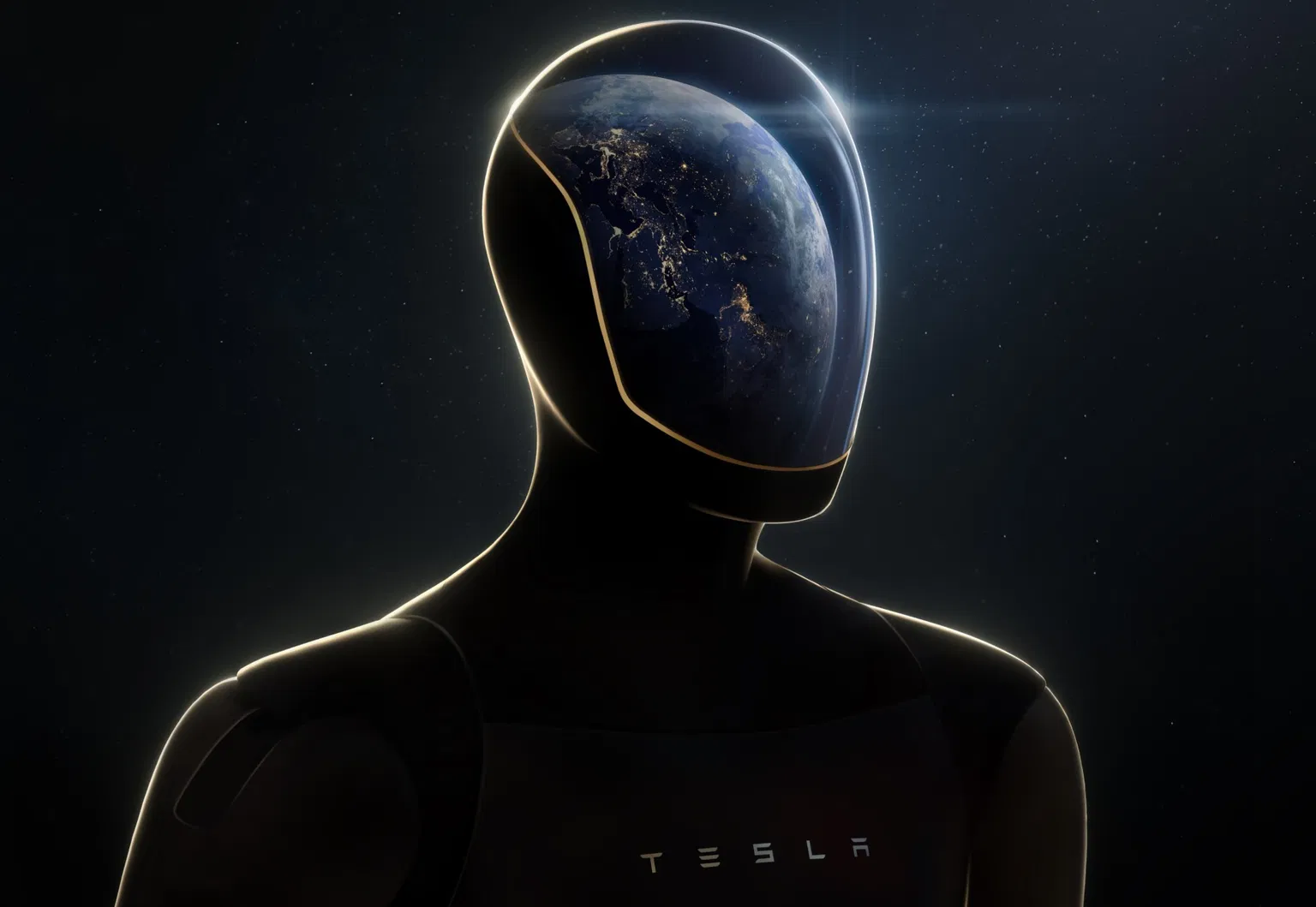
Tesla Inc. (NASDAQ: TSLA) delivered a solid first-quarter earnings beat on Wednesday, April 22, posting adjusted earnings per share of $0.41 that exceeded Wall Street's consensus estimate of $0.36 by nearly 14%. The results come at a pivotal time for the electric vehicle giant, which is simultaneously navigating a European sales resurgence, massive capital expenditure plans, and renewed scrutiny over CEO Elon Musk's eye-popping compensation package.
Revenue reached $22.39 billion, slightly below the $22.64 billion analysts had expected but representing a modest year-over-year increase. More importantly, Tesla's operating cash flow surged 83% to $3.94 billion compared to $2.16 billion in Q1 2025, signaling dramatically improved operational efficiency. Net income rose 17% to $477 million, while automotive gross margins showed meaningful improvement over the previous quarter.
How Tesla's Q1 Results Unfolded: Inside the Earnings Beat
The earnings report, released after market close on April 22, revealed several bright spots beneath the headline numbers. Tesla's non-GAAP EPS of $0.41 outperformed the forecasted $0.36, and the company reported a 13.89% EPS surprise versus analyst consensus. Revenue exceeded expectations by 0.49%, according to Investing.com data.
Key metrics that stood out in the report include automotive gross margin improvement and a dramatic increase in free cash flow generation. The $3.94 billion in operating cash flow represents an 83% year-over-year leap, funding the company's ambitious expansion plans. Tesla guided for approximately $25 billion in capital expenditures for 2026, up sharply from under $9 billion in 2025, as the company ramps up production of the Tesla Semi, expands its AI infrastructure, and builds out its energy storage business.
Timeline: The Key Events Shaping Tesla's 2026 Story
Q4 2025: Tesla shares closed the year trading between $403 and $480, capping a volatile period marked by concerns over slowing EV demand globally. European sales had fallen nearly 27% for the full year, representing two consecutive years of decline on the continent.
January 2026: Tesla announced plans to begin high-volume production of the Tesla Semi at its Nevada Gigafactory, targeting an annual capacity of 50,000 trucks. The stock traded in the mid-$300s as analysts debated whether the company could reignite growth.
March 2026: European EV demand began showing signs of recovery, driven by rising fuel costs and expanding charging infrastructure. Tesla's Q1 delivery numbers in Europe climbed to over 78,000 units, a nearly 45% year-over-year increase.
April 22, 2026: Tesla reported Q1 2026 earnings with an EPS beat, improved margins, and an 83% jump in operating cash flow. Shares rose approximately 5% in after-hours trading following the release.
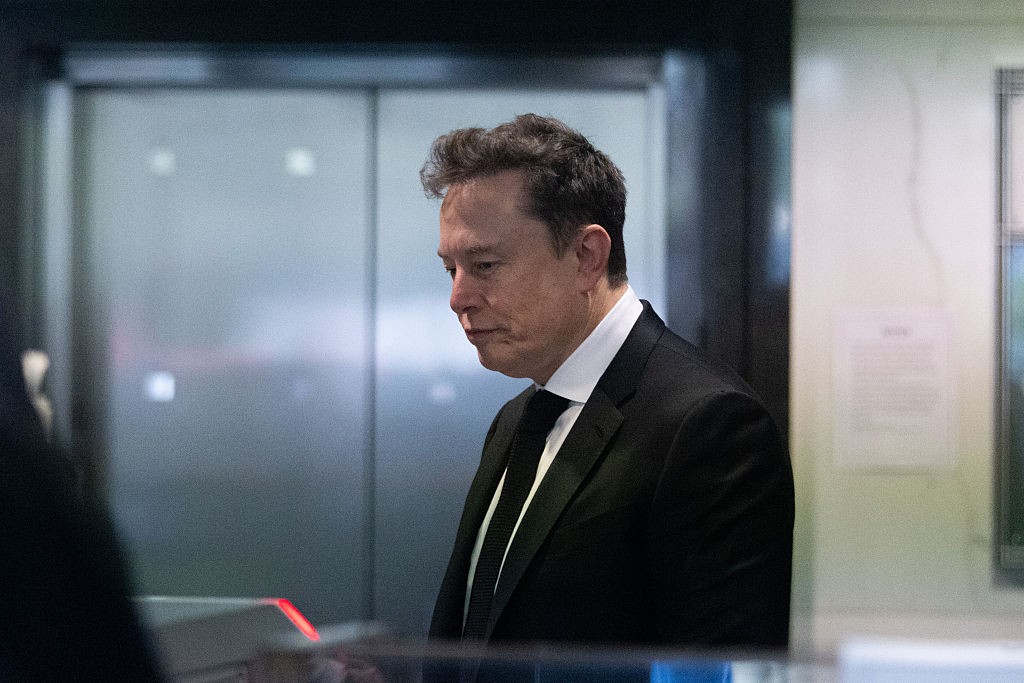
April 30, 2026: Tesla filed its annual proxy statement with the SEC, revealing that Elon Musk's 2025 compensation was valued at $158 billion on a grant-date basis — but that Musk realized $0 of that amount, as the company failed to meet the stock and operational performance targets tied to the equity awards.
May 1, 2026: Data from France, Denmark, and the Netherlands confirmed Tesla's European sales rebound continued into April, with new vehicle registrations showing strong month-over-month growth.
Why Tesla Matters: Expert Analysis and Investment Implications
The mixed signals surrounding Tesla present a complex picture for investors. On one hand, the company's core automotive business is showing genuine signs of recovery. European sales rebounded nearly 45% in Q1, and the company's cash flow generation has dramatically improved. On the other hand, Tesla still faces significant challenges.
Wall Street remains deeply divided on the stock. According to CNN's analyst survey, 44% of analysts rate TSLA a Buy, 43% rate it a Hold, and 13% recommend Selling. The average 12-month price target sits around $393, according to TipRanks, with forecasts ranging from $330 to $600 depending on the analyst's conviction about Tesla's AI and robotics potential.
"Tesla's own consensus compilation pegs non-GAAP EPS around $0.33 on roughly $21.4 billion in revenue," noted one Investing.com analyst before the earnings call, highlighting that the actual results came in ahead of even Tesla's internal projections. The improved automotive gross margins were particularly well-received, suggesting that cost-cutting measures and production efficiencies are taking effect.
A key wild card remains the Cybercab robotaxi program, which represents a significant unvalued option in Tesla's stock. If Tesla can successfully launch its autonomous taxi service, it could unlock billions in recurring revenue. However, regulatory hurdles and technological challenges mean this remains a high-risk, high-reward catalyst.
Where Things Stand Now: Latest Developments
As of early May 2026, TSLA shares are trading around $390, up approximately 2.4% in recent sessions. The stock's 52-week range spans from $271 to $498.83, reflecting the extreme volatility that has defined Tesla's market performance.
The most recent major development is the $158 billion compensation figure for Elon Musk that dominated headlines. The figure, disclosed in Tesla's April 30 SEC filing, represents the "maximum grant date fair value" of stock awards Musk received in 2025 — not cash he actually pocketed. Because Tesla failed to meet the aggressive stock price and operational targets tied to the awards, Musk's realized compensation for the year was $0. The disclosure has reignited debate among investors about executive compensation structures and the alignment of Musk's incentives with shareholder value creation.
Meanwhile, the European sales rebound continues to gain momentum. Data from multiple European markets shows Tesla's sales recovering strongly after two consecutive years of annual declines. Rising fuel costs across the continent have driven a surge in EV demand, benefiting Tesla as the market leader.
What Happens Next: The Road Ahead for Tesla Investors
Looking forward, several key catalysts could determine Tesla's trajectory for the remainder of 2026. The company's next earnings report is scheduled for July 29, 2026, and investors will be watching closely for continued margin improvement and delivery growth.
The ramp-up of Tesla Semi production represents a significant new revenue stream, with the company targeting 50,000 trucks annually at full capacity. Additionally, Tesla's energy storage business continues to grow rapidly, providing diversification from the automotive segment.
Analysts at ARK Invest, historically bullish on Tesla, maintain that the stock's true value lies in its autonomous driving and AI capabilities rather than its EV manufacturing business. However, more cautious voices point to the company's elevated valuation relative to traditional automakers and the execution risk associated with its ambitious technology roadmap.
Key Takeaways from Tesla's Q1 2026 Performance
- Tesla beat Q1 2026 EPS estimates by 14% with adjusted earnings of $0.41 per share
- Operating cash flow surged 83% YoY to $3.94 billion, funding massive capex plans
- European sales rebounded nearly 45% in Q1, reversing a 27% decline in 2025
- Elon Musk's $158B compensation was accounting-driven; he realized $0 in actual pay
- Analyst consensus remains split: 50% Buy, 35% Hold, 15% Sell
- Next earnings report: July 29, 2026
- Capital spending set to rise to ~$25B in 2026 as Tesla ramps Semi production and AI infrastructure