
After 15 years at the helm, Tim Cook is stepping down as Apple's CEO, handing the reins to hardware engineering chief John Ternus effective September 1, 2026. Apple announced the landmark leadership transition on April 20, sending ripples through the investing world as shareholders assess what comes next for the world's most valuable company.
Cook, 65, will transition into the role of executive chairman of Apple's board of directors, ensuring continuity while Ternus takes over day-to-day operations. The announcement marks the end of a remarkable era that saw Apple transform from a $350 billion company into a $4 trillion juggernaut.
How the Apple CEO Transition Unfolded: Inside the Announcement
The announcement came via a press release from Apple's newsroom on Monday, April 20, 2026, confirming widespread speculation about Cook's eventual departure. "Under Tim's extraordinary leadership, Apple has become the world's most valuable company," said Apple's board in the statement. "John has been instrumental in delivering Apple's most iconic products, and we are confident in his vision for the future."
Cook himself addressed employees in an internal memo obtained by multiple outlets, expressing confidence in Ternus and emphasizing that Apple's best days remain ahead. Ternus, who has served as Apple's senior vice president of hardware engineering since 2021, has been responsible for overseeing the development of the Mac, iPhone, iPad, and other core products.
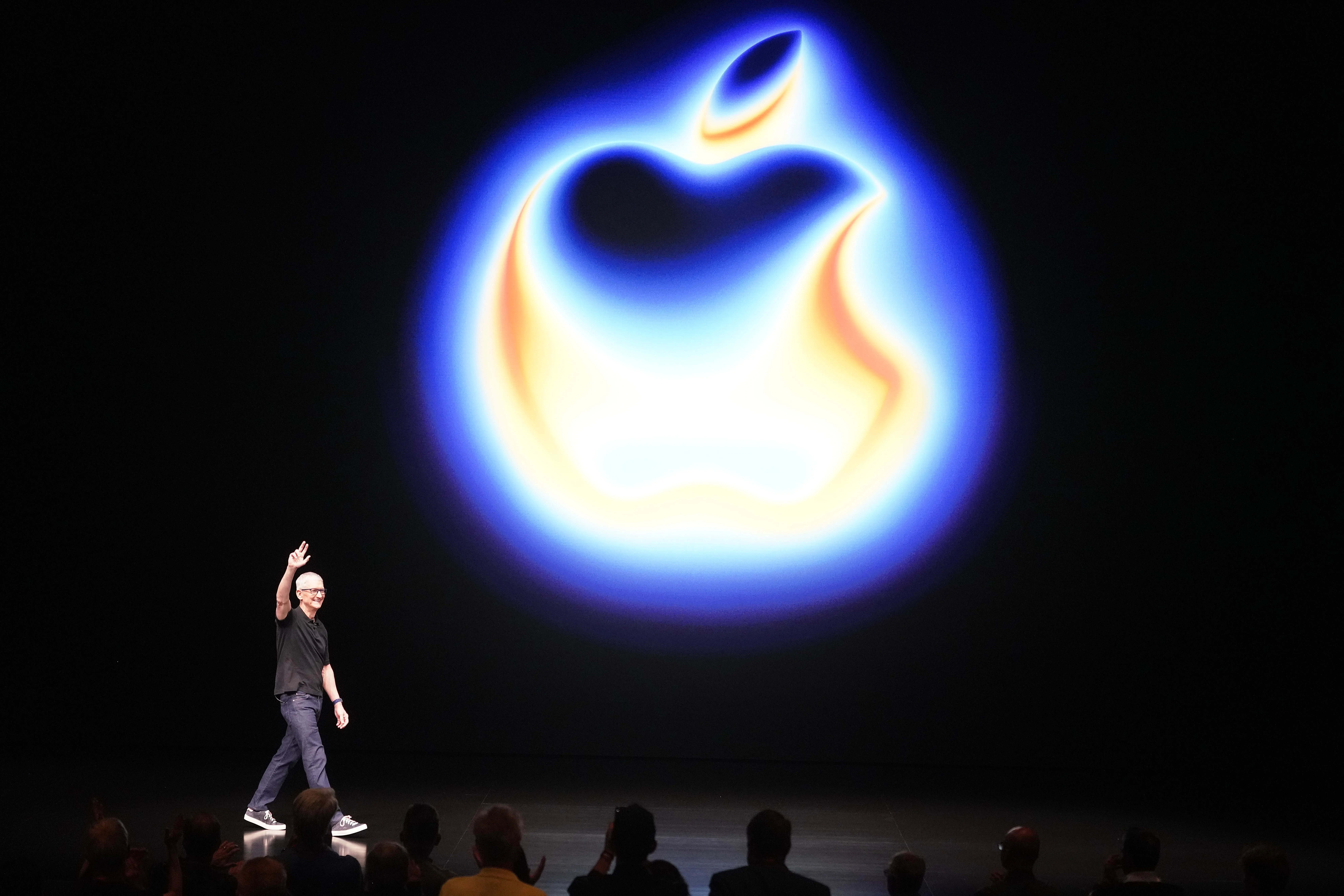
Timeline: From Steve Jobs' Successor to a $4 Trillion Empire
August 2011: Tim Cook succeeds Steve Jobs as Apple CEO following Jobs' resignation. Apple's market cap stands at approximately $347 billion.
2014: Apple launches the iPhone 6, its best-selling iPhone model, and introduces Apple Pay.
2015: The Apple Watch launches, creating an entirely new product category that would eventually dominate the smartwatch market.
2016: Apple introduces AirPods, which go on to become a cultural phenomenon and a multi-billion dollar product line.
2018: Apple becomes the first publicly traded U.S. company to reach a $1 trillion market capitalization.
2020: Apple begins the transition from Intel processors to Apple Silicon (M1 chip), revolutionizing Mac performance and efficiency.
2022: Apple reaches a $3 trillion market cap, driven by services revenue growth and ecosystem expansion.
April 20, 2026: Apple announces Tim Cook will step down as CEO effective September 1, with John Ternus named as his successor. Cook will become executive chairman.
September 1, 2026: Official transition date for the new leadership structure.
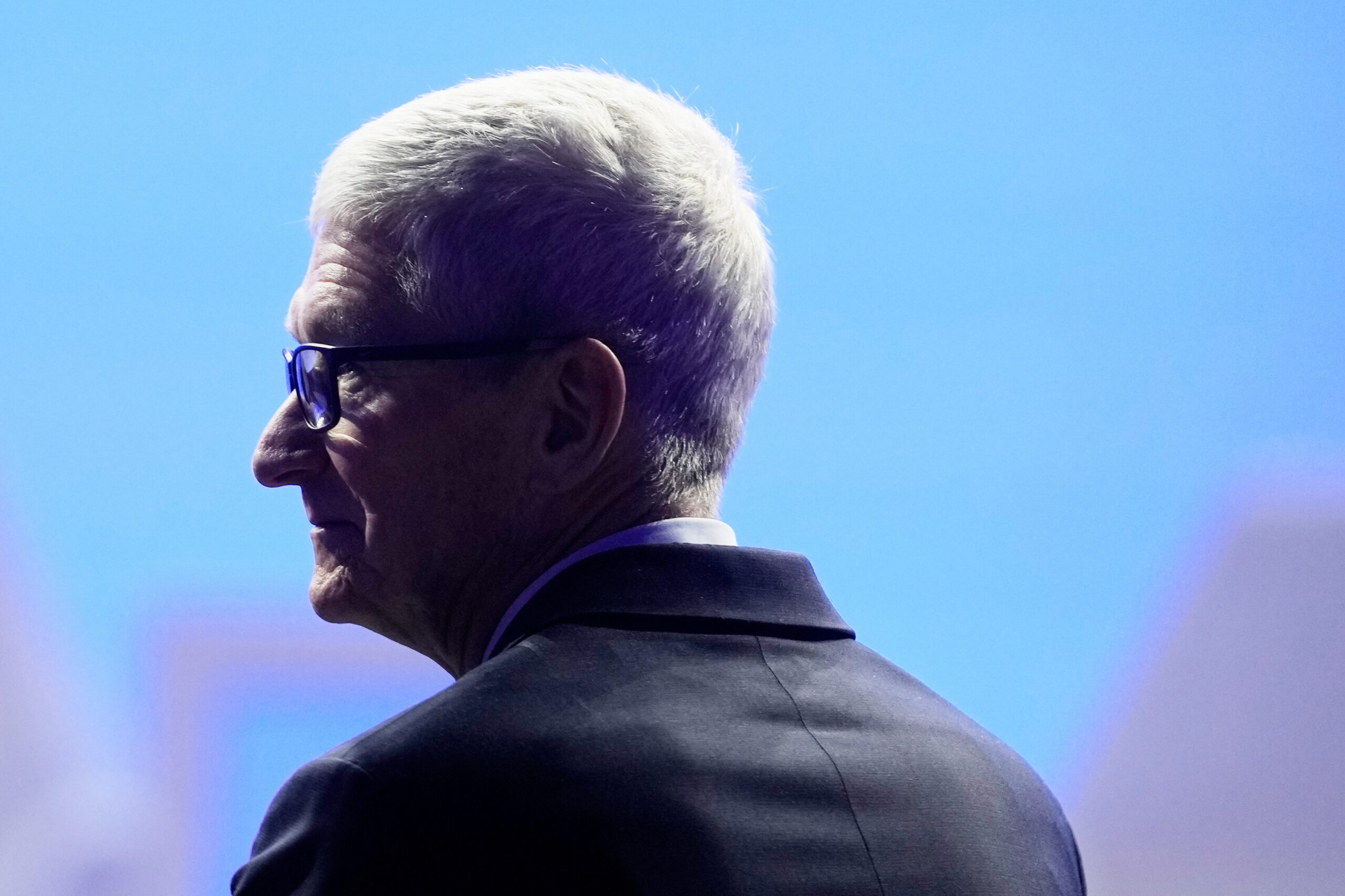
Why Tim Cook's Exit Matters: Expert Analysis and AAPL Stock Impact
Wall Street's reaction to the news has been notably measured. AAPL stock dipped approximately 1% to around $270 following the announcement, with some analysts attributing the decline to broader market sentiment rather than concerns about the transition itself.
"Apple stock barely budged on the news," Fortune reported. "No one is shocked. And that's a good example of how his critics always underestimated him." The muted reaction reflects confidence in the planned succession and the company's fundamental strength.
Wall Street analysts have largely issued buy ratings following the announcement. According to 24/7 Wall Street, "Wall Street Backs Apple's Historic CEO Transition," with many viewing the succession plan as a buying opportunity. The stock fell nearly 1% to around $270 after Tuesday's open on news Ternus would succeed Cook, but analysts point to Apple's resilient business model and massive cash reserves as reasons for optimism.
Under Cook's leadership, Apple's revenue ballooned from $108 billion in fiscal 2011 to over $400 billion. A $1,000 investment in Apple stock on the day Cook took over would be worth more than $19,000 today, according to Investopedia. The company's services segment, which generated less than $10 billion annually in 2011, now produces over $85 billion in yearly revenue.
Where Things Stand Now: Latest on Apple's Leadership Transition
As of late April 2026, the transition is proceeding as planned. Cook will remain actively involved as executive chairman, providing strategic guidance while Ternus takes on the CEO role. The shift comes just ahead of Apple's anticipated Q2 earnings report, with initial analyst projections pointing toward a strong quarter driven by iPhone 17 and Services growth.
Ternus takes over a company that, while enormously profitable, faces significant headwinds. The LA Times noted that Apple's next CEO "has to help the company catch up" in artificial intelligence, a space where competitors like Microsoft and Google have taken early leads. Additionally, ongoing tariff tensions between the U.S. and China present a challenge, as Apple relies heavily on Chinese manufacturing.
What Happens Next: The Road Ahead for Apple and Investors
For investors, the key questions revolve around Ternus' strategic direction. As head of hardware engineering, he oversaw the development of Apple Silicon and the Vision Pro headset, suggesting a continued focus on vertical integration and premium hardware. However, the company's AI strategy remains a critical unknown.
"Cook turned Apple into a $4 trillion giant by not trying to be Steve Jobs," CNBC observed. Ternus faces the analogous challenge of not trying to be Tim Cook — defining his own leadership style while preserving the operational excellence that has made Apple the world's most valuable company.
With Apple stock trading at roughly 30x earnings and the company sitting on more than $60 billion in cash, the fundamentals remain strong. The CEO transition, while historically significant, appears to be one of the most orderly and well-planned handoffs in corporate history.
The Bottom Line: Key Takeaways for Investors
- Tim Cook steps down as Apple CEO on September 1 after 15 years; John Ternus takes over
- Under Cook, Apple's market cap grew from $350 billion to $4 trillion — a return of roughly 1,900%
- Wall Street is broadly bullish on the transition, with most analysts issuing buy ratings on AAPL
- Key risks for Ternus include AI competition, China/tariff tensions, and the need for new product categories
- Cook remains as executive chairman, ensuring strategic continuity during the transition period
- Apple's massive cash reserves, services revenue, and loyal customer base provide a strong buffer against uncertainty