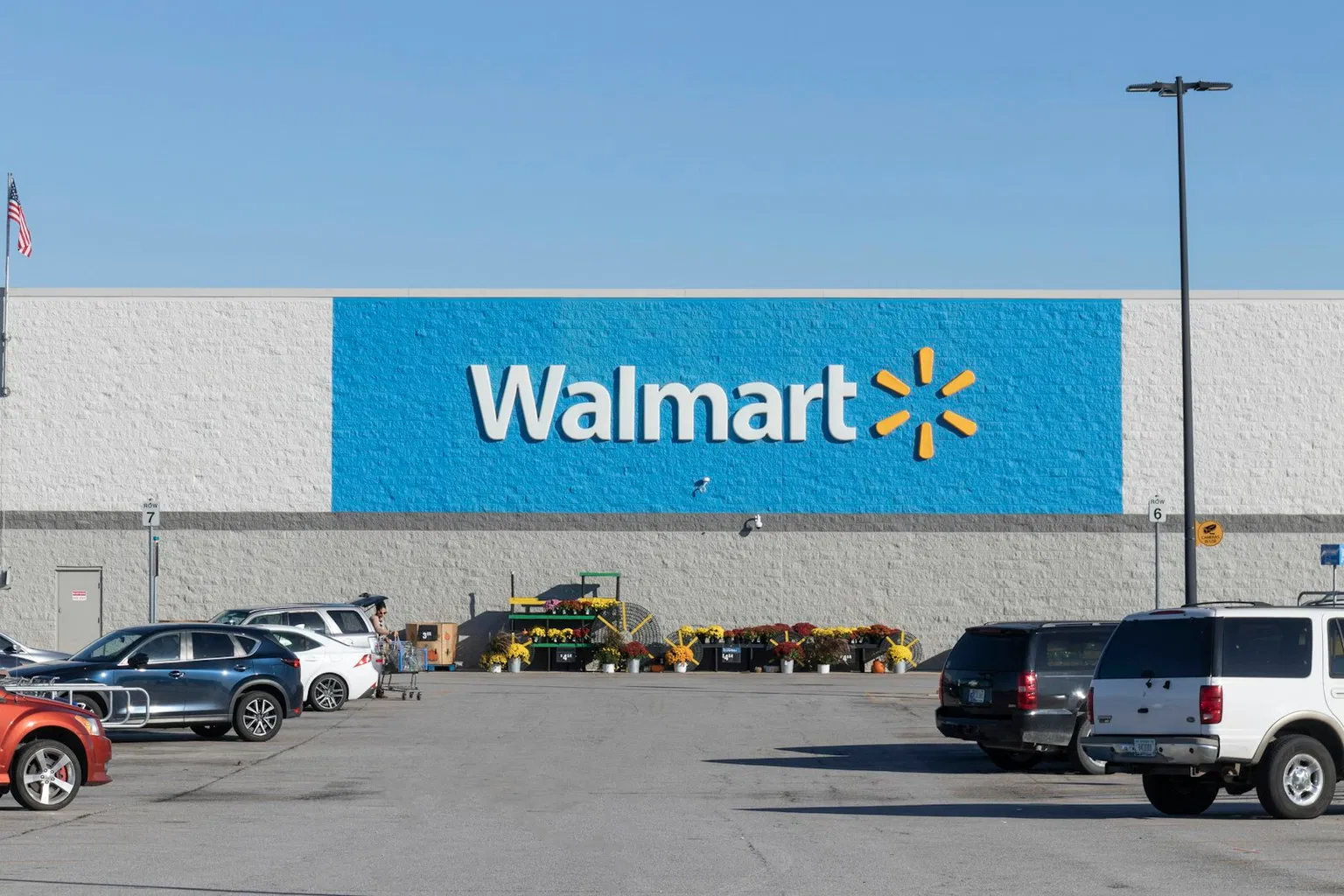
Walmart Inc. (NYSE: WMT) delivered a classic "beat and lower" earnings report on February 19, 2026, posting better-than-expected fourth-quarter results while issuing cautious guidance that disappointed Wall Street. The retail behemoth reported adjusted earnings per share of $0.74, narrowly beating the $0.73 consensus estimate, with revenue reaching $190.66 billion—slightly above the $190.43 billion forecast. Yet investors focused on the company's conservative outlook for fiscal 2027, which sent shares lower despite the solid quarterly performance and a massive $30 billion share repurchase authorization.
How Walmart's Q4 Earnings Beat Expectations but Guidance Disappointed
According to Chain Store Age, Walmart's fourth-quarter results demonstrated both resilience and transformation. Revenue grew 5.6% year-over-year to $190.66 billion, while comparable sales in the U.S. rose 4.6% (excluding fuel), with international comps up 7.5% and Sam's Club increasing 4%. The headline numbers, however, masked a more complex story: net income actually fell to $4.24 billion ($0.53 per share) from $5.25 billion ($0.65 per share) in the year-ago period, though adjusted earnings showed strength at $0.74 per share.

The real disappointment came from Walmart's forward-looking guidance. For fiscal 2027, the company expects net sales to increase 3.5% to 4.5% with adjusted earnings per share ranging between $2.75 and $2.85. This guidance fell significantly below the $2.96 per share analysts had anticipated. Chief Financial Officer John David Rainey explained the cautious stance, telling investors: "Our goal is to outperform this guidance, but we believe it's prudent to start the year with a level of conservatism given the backdrop is still somewhat unstable." This comment reflected broader concerns about consumer spending patterns and economic uncertainty heading into 2026.
From Record Market Cap to Cautious Outlook: Key Moments in Walmart's 2026 Journey
The fourth-quarter report came at a pivotal moment for Walmart, which had become the first physical retailer to cross the $1 trillion market capitalization threshold earlier in February 2026. This milestone highlighted the company's remarkable transformation from a traditional brick-and-mortar discounter to a technology-powered omnichannel retailer. The journey to this earnings release included several key developments:
- February 1, 2026: John Furner officially takes over as CEO, succeeding Doug McMillon, who had led the company through its digital transformation.
- February 13, 2026: Walmart's stock reaches an all-time high of $133.89, pushing the company's market capitalization above $1 trillion for the first time.
- February 17, 2026: Analysts publish bullish previews ahead of earnings, with many expecting double-digit profit growth.
- February 19, 2026: Walmart releases Q4 FY26 results before market open, announces $30 billion buyback and dividend increase, but issues cautious guidance.
- February 19, 2026: Shares fall 1.38% to close at $124.87 as investors digest the conflicting signals of strong current performance and tempered future expectations.
This timeline illustrates the rapid shift in sentiment that occurred in just one week, from celebration of Walmart's historic market cap achievement to concern about its ability to maintain momentum amid economic headwinds.
Why Walmart's E-Commerce Surge and Advertising Growth Are Changing the Game
Beneath the surface of the earnings headlines, Walmart's transformation story continued to accelerate. The company reported that e-commerce sales in the U.S. jumped 27% year-over-year, marking the eighth consecutive quarter of e-commerce growth above 20%. Globally, e-commerce sales surged 24%, and digital channels now account for a record 23% of Walmart's domestic sales. This digital momentum represents a fundamental shift in the company's business model, moving beyond its traditional store-based foundation.
Perhaps even more significant is the explosive growth of Walmart's advertising business. Revenue from the global advertising segment rose 37%, with Walmart Connect—the company's U.S. advertising platform—seeing revenue increase 41%. These high-margin businesses are becoming increasingly important to Walmart's profitability, helping to offset the thinner margins of its core retail operations. As noted in the earnings call, fashion was "a bright spot" both in-store and online, indicating successful expansion into higher-margin categories beyond groceries and essentials.
CEO John Furner highlighted another crucial trend: "We continued to gain share from households making more than $100,000." This demographic shift represents a strategic victory for Walmart, which has historically been strongest among lower-income shoppers. The combination of e-commerce convenience, expanded product selection, and improved store experiences appears to be broadening the company's customer base at both ends of the income spectrum.
Where Walmart Stock Stands Now: Market Reaction to Q4 Results
Following the earnings release, Walmart shares fell 1.38% to close at $124.87 on February 19, 2026, erasing some of the gains from the previous week's rally. The stock had traded as high as $130.10 earlier in the day before the cautious guidance overshadowed the positive quarterly results. According to Yahoo Finance historical data, Walmart's stock had been on a strong run leading into earnings, rising from approximately $119 in late January to its all-time high of $133.89 on February 13.
The market's muted reaction reflects investor uncertainty about how to weigh Walmart's conflicting signals. On one hand, the company demonstrated impressive operational execution with solid sales growth, expanding e-commerce penetration, and strong advertising performance. On the other, the conservative guidance suggests management sees potential challenges ahead, whether from economic conditions, competitive pressures, or investment requirements.
Analysts offered mixed interpretations of the results. Some pointed to the $30 billion share repurchase authorization—replacing a previous $20 billion program—as evidence of management's confidence in the company's cash generation capabilities. Others focused on the dividend increase to $0.99 per share annually, marking Walmart's 53rd consecutive year of dividend growth, as a sign of financial strength and commitment to shareholder returns.
What Happens Next: Walmart's Path Amid Economic Uncertainty
Looking ahead, Walmart faces several critical questions that will shape its performance through 2026 and beyond. First, the company must navigate the "somewhat unstable" economic backdrop referenced by CFO Rainey. Consumer spending patterns have shown increased volatility, with shoppers becoming more selective about discretionary purchases while maintaining demand for essentials. Walmart's value positioning could prove advantageous in this environment, but the company must also continue to attract higher-income shoppers who have traditionally favored competitors.
Second, Walmart's massive $30 billion buyback program will be closely watched. According to MarketWatch, this new authorization replaces a $20 billion program announced in late 2022, under which the company had repurchased $8.1 billion worth of shares. The scale of the new program suggests Walmart expects to generate substantial free cash flow, but investors will monitor whether share repurchases come at the expense of needed investments in technology, store upgrades, or strategic initiatives.
Third, the leadership transition to CEO John Furner represents both opportunity and risk. Furner, who previously led Walmart U.S., brings deep operational experience but must now steer the entire global organization through a period of economic uncertainty while continuing the digital transformation initiated by his predecessor. His early comments emphasizing fashion as a "bright spot" and market share gains among higher-income households suggest a focus on margin expansion and category diversification.
Key Takeaways from Walmart's Q4 2026 Earnings Report
Walmart's fourth-quarter earnings report presented investors with a classic good news/bad news scenario. The company delivered solid performance across most operational metrics while signaling caution about the year ahead. For those following the retail giant, several important conclusions emerge:
- Digital Transformation Accelerating: E-commerce now represents 23% of U.S. sales and continues growing at over 20% annually, fundamentally changing Walmart's business model.
- Profit Mix Evolving: High-margin businesses like advertising (up 37%) and fashion are becoming increasingly important contributors to overall profitability.
- Shareholder Returns Prioritized: The $30 billion buyback authorization and 53rd consecutive dividend increase demonstrate Walmart's commitment to returning capital to shareholders.
- Economic Caution Prevails: Management's conservative guidance suggests concerns about consumer spending stability and broader economic conditions.
- Demographic Expansion Continuing: Gains among households earning over $100,000 indicate successful efforts to broaden Walmart's customer base beyond its traditional core.
Ultimately, Walmart's Q4 2026 results reveal a company in transition—successfully navigating the shift to omnichannel retail while facing the same economic uncertainties affecting the broader market. The coming quarters will test whether management's cautious guidance proves prudent or overly conservative, and whether Walmart's digital investments continue to deliver the growth needed to justify its trillion-dollar valuation.