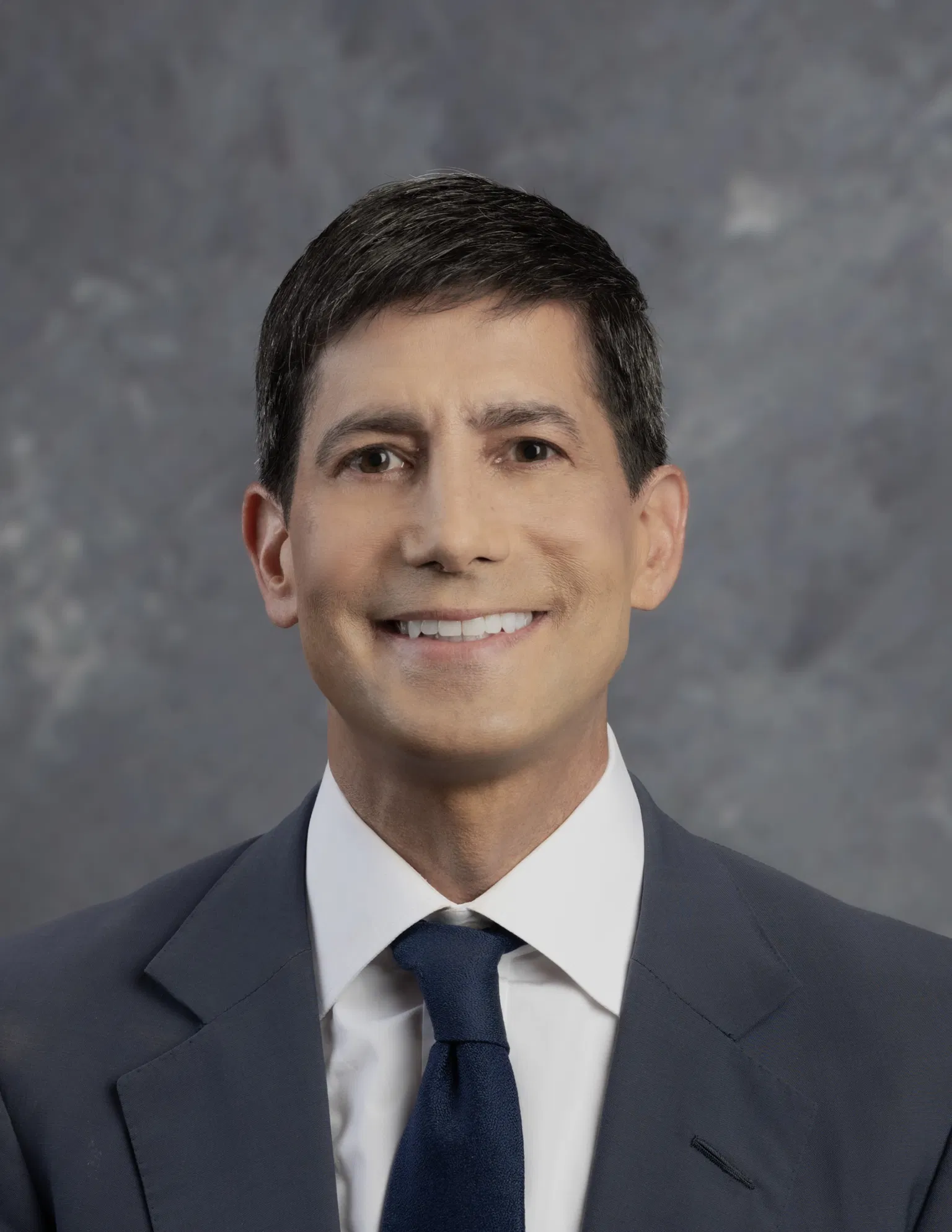
The Federal Reserve raised its benchmark interest rate on Wednesday, lifting the federal funds target range by a quarter percentage point to 3.75%–4.00% — a decisive turn in U.S. monetary policy after months of holding steady. The unanimous 12–0 vote, announced September 16, 2026, followed a summer in which three officials had already broken ranks to demand higher rates. "Inflation remains elevated," the Federal Open Market Committee (FOMC) said in its statement. "Today's policy action will support a timelier return to the Committee's 2 percent goal. The Committee will deliver price stability." Alongside the move, the Fed lifted the interest rate it pays banks on reserve balances to 3.90% and the primary credit rate to 4.00%. For savers, borrowers, and investors, the message is unmistakable: higher-for-longer interest rates are back on the table.
Inside the Fed's Unanimous Decision to Hike
The FOMC's decision to raise rates landed with a rare 12–0 unanimous vote, a sharp contrast to July, when the committee split 9–3. Chair Kevin Warsh, who now leads the Board of Governors, presided over a committee that appears firmly aligned behind tighter policy. The statement's language was notably blunt. Rather than describing inflation as "somewhat elevated," the Committee said plainly that "inflation remains elevated" and pledged to "deliver price stability."
On the broader economy, officials struck a confident tone. "Economic activity is expanding at a solid pace," the statement read, pointing to resilient domestic spending, strong productivity growth, and robust capital investment. "Job gains have kept pace with the workforce, and the unemployment rate has changed little." The one notable caveat: "uncertainty remains elevated owing, in part, to geopolitical developments" — a reference to the Middle East conflict that has pushed energy prices higher and complicated the inflation outlook.
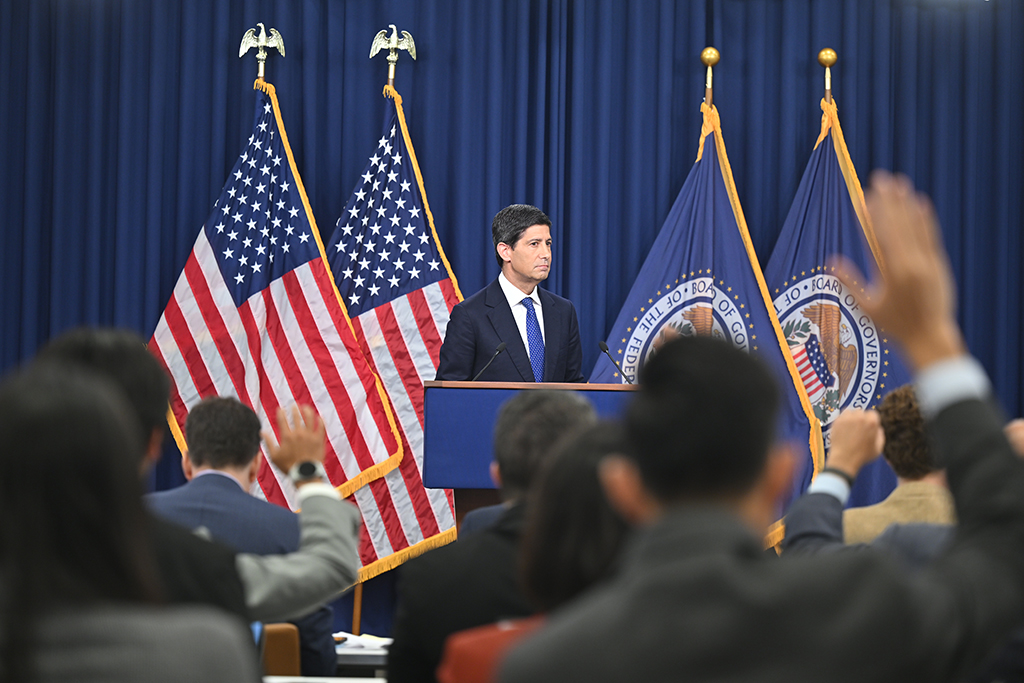
Timeline: How the Fed Got to Its September Hike
The road to September's increase was paved over the summer. Here's how the policy debate unfolded.
July 29, 2026 — The FOMC voted 9–3 to hold the federal funds rate at 3.50%–3.75%, but the dissent was the story. Cleveland Fed President Beth M. Hammack, Minneapolis Fed President Neel Kashkari, and Dallas Fed President Lorie K. Logan all voted against the decision, preferring to raise rates by a quarter point immediately. In its statement, the Committee blamed "supply shocks that have driven price increases in certain sectors, including energy," tied to the conflict in the Middle East.
September 15–16, 2026 — The Committee reconvened and, this time, moved unanimously. The 12–0 vote lifted the target range to 3.75%–4.00%, confirming that the hawkish wing had won the argument. The shift suggests the three July dissenters — and the rest of the committee — concluded that waiting any longer risked letting inflation expectations drift.
Why the Fed Moved Now: Sticky Inflation and a Hotter Dot Plot
The projections released alongside the decision explain the urgency. The Fed's Summary of Economic Projections (SEP) showed inflation running well above target. Officials now expect the personal consumption expenditures (PCE) price index — the Fed's preferred gauge — to rise 3.7% in 2026, up from the 3.6% they projected in June. Core PCE, which strips out food and energy, is seen climbing 3.4%, up from 3.3%.
Those numbers are the real reason the Fed acted. The committee's 2% inflation goal remains far off, and the upward revisions signal that price pressures are proving stickier than officials hoped. The so-called "dot plot" tells the same story: the median projection for the federal funds rate at the end of 2026 jumped to 4.1% from 3.8% in June, and officials see it holding at 4.1% through 2027 before easing to 3.9% in 2028 and 3.6% in 2029. The longer-run neutral rate is pegged at 3.2%.
Even so, the economy remains solid. The Fed sees real GDP growing 2.3% in 2026 and the unemployment rate averaging 4.1%, down from the 4.3% projected in June. That combination — resilient growth, a tight labor market, and stubborn inflation — is precisely the backdrop in which a rate hike makes sense.
Where Interest Rates Stand Today
The September decision ripples through the entire structure of short-term rates. Under the implementation note issued alongside the statement, the interest rate paid on reserve balances (IORB) rose to 3.90%, and the primary credit rate — the rate banks pay to borrow directly from the Fed — climbed a quarter point to 4.00%. The Fed also set its overnight reverse repurchase agreement rate at 3.75% and its standing overnight repo rate at 4.00%, with a $160 billion daily per-counterparty limit on the reverse repo facility. All changes took effect September 17, 2026.
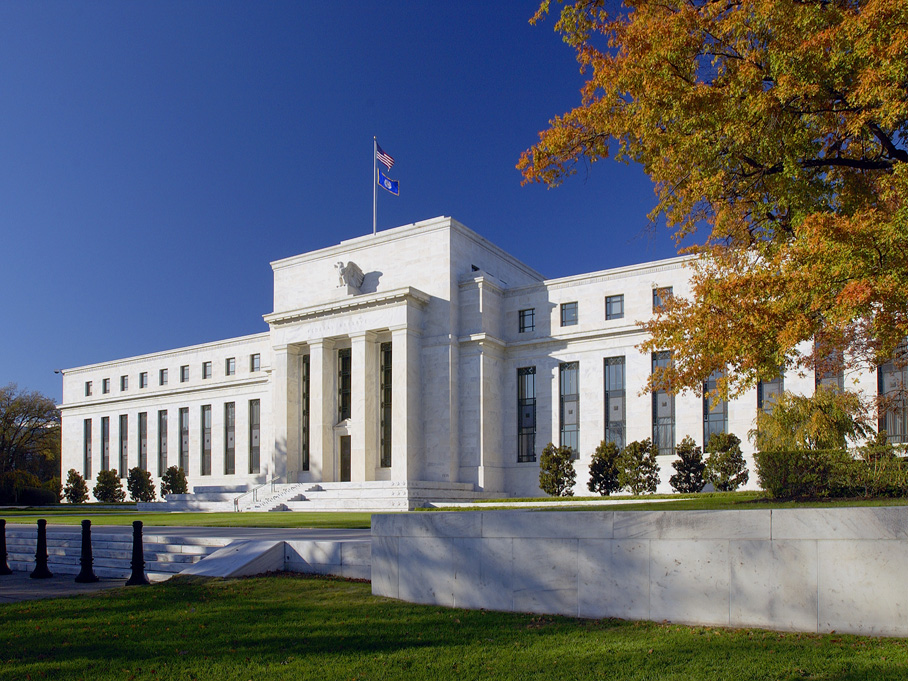
For everyday savers, the practical upshot is that yields on money market funds, certificates of deposit, and high-yield savings accounts are likely to stay elevated rather than drift lower. For borrowers, the cost of credit cards, auto loans, and adjustable-rate mortgages will keep climbing.
What Happens Next for Rates and Markets
The dot plot suggests the Fed is in no hurry to reverse course. With the median official projecting a 4.1% federal funds rate through 2027, markets should brace for borrowing costs to remain high well into next year. The Committee's repeated pledge to "deliver price stability" — a phrase that appeared in both the July and September statements — signals that officials are prepared to prioritize the inflation fight even if it means keeping financial conditions tight.
For investors, the implications are meaningful. Higher-for-longer rates tend to pressure equity valuations, particularly for growth and technology stocks whose profits lie far in the future, while lifting yields on bonds and cash-like instruments. Income-oriented strategies — from Treasury bills to money market funds — become relatively more attractive as the risk-free rate climbs. Geopolitical risk remains the wild card: the same Middle East conflict that has driven energy prices higher could, if it escalates, force the Fed to weigh inflation against financial stability once again.
The next FOMC meetings are scheduled for later this fall and winter, and every new inflation and jobs report between now and then will be parsed for hints of another move. For now, the direction is clear: the Fed is back in tightening mode.
The Bottom Line: Key Takeaways
- The Fed raised its benchmark rate by a quarter point to 3.75%–4.00% on September 16, 2026, in a unanimous 12–0 vote.
- The decision followed a 9–3 July vote to hold rates, with three officials dissenting in favor of a hike.
- Inflation remains the driver: the Fed projects PCE inflation of 3.7% and core PCE of 3.4% in 2026, well above its 2% goal.
- The dot plot shows the median official expecting a 4.1% federal funds rate through 2027 before a gradual decline toward a 3.2% longer-run level.
- The interest rate on reserve balances rose to 3.90% and the primary credit rate to 4.00%, effective September 17, 2026.
- Chair Kevin Warsh leads a Fed that has pledged to "deliver price stability," signaling higher-for-longer rates ahead.