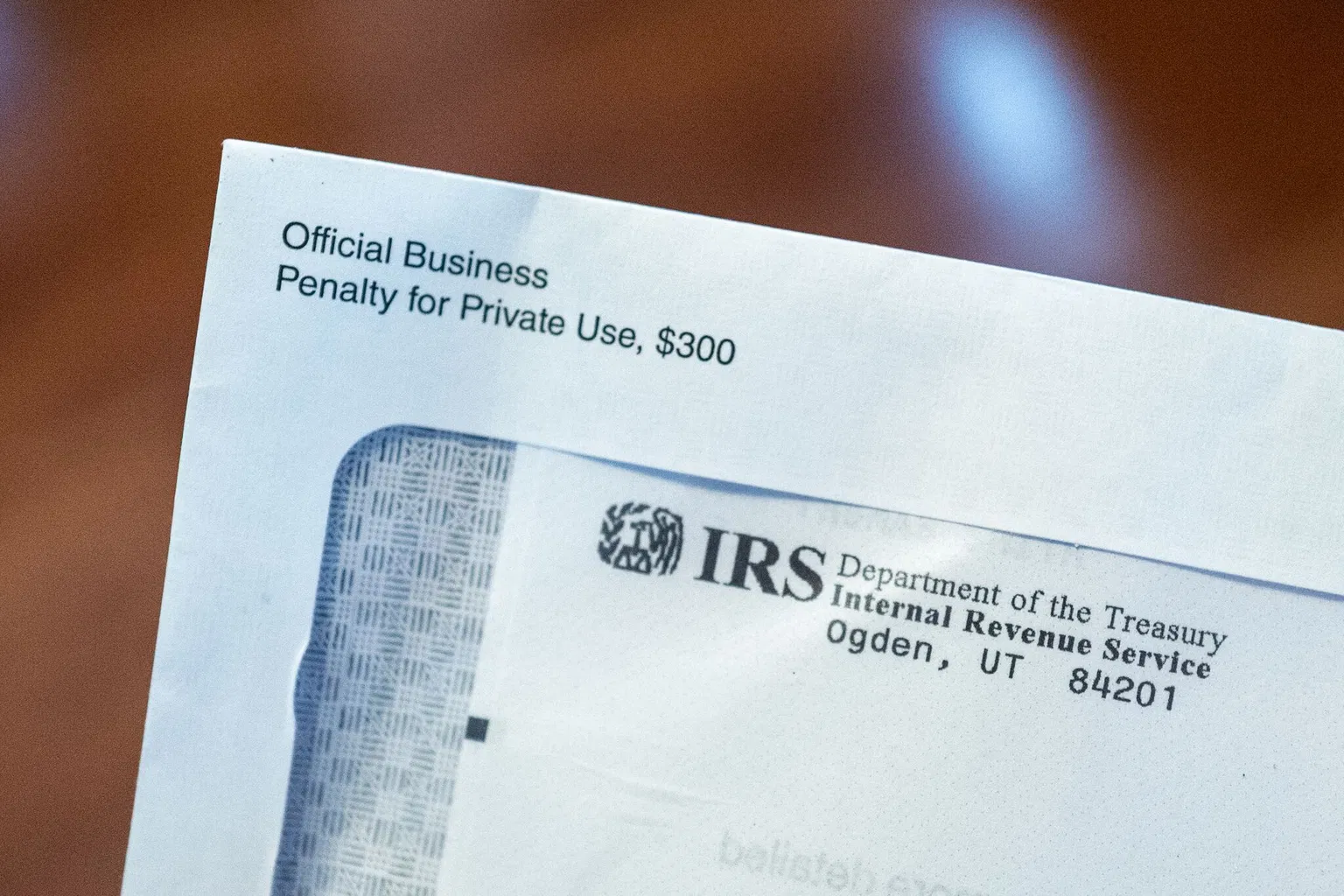
The 2026 tax filing season is officially underway, with the Internal Revenue Service beginning to accept 2025 tax returns on Monday, January 26. This year promises to be one of the most significant tax seasons in recent memory, with refunds expected to be substantially larger due to sweeping changes from President Donald Trump's "One Big Beautiful Bill Act." But along with the potential for bigger payouts comes increased complexity, new direct‑deposit rules, and a renewed push by the IRS to move taxpayers away from paper checks. For millions of Americans, understanding these changes could mean the difference between getting a refund in days versus weeks—and hundreds or even thousands of dollars in additional money back.
Tax Season 2026 Kicks Off with Promises of Bigger Refunds
"The Internal Revenue Service is ready to help taxpayers meet their tax filing and payment obligations during the 2026 filing season," said IRS Chief Executive Officer Frank Bisignano in a statement released Monday. "IRS information systems have been updated to incorporate the new tax laws and are ready to efficiently and effectively process taxpayer returns during the filing season." The agency expects to receive about 164 million individual income tax returns this year, the vast majority of which will be filed electronically.
Last year’s average federal refund was $2,939, according to IRS data cited by USA Today. This year, however, refunds could be as much as 30% larger because of new provisions in the Trump administration’s tax package. James Knightley, chief international economist at Dutch bank ING, told USA Today that the combination of higher standard deductions, expanded child‑tax credits, and new deductions for tips, overtime, and auto‑loan interest could push the average refund well above $3,800.

New Tax Laws Create Confusion and Opportunity
While the prospect of a larger refund is welcome, the tax‑code changes have left many taxpayers—and even professionals—scratching their heads. "We’ve had numerous continuing‑education classes on this," said John Hawkins, a certified public accountant in Salem who is working his 40th tax season. "There’s a lot of nuance, a lot of detail. And we’ve had to learn what that detail is." Surveys indicate that between one‑third and one‑half of U.S. taxpayers use a tax professional to prepare their returns, and nearly 40% of those who self‑prepare use free or paid tax software.
The new law introduces several headline‑grabbing deductions, but each comes with fine print. For example, the "no tax on tips" and "no tax on overtime" deductions apply only to income earned in 2025 and have specific income limits. The auto‑loan‑interest deduction requires that the car be purchased new in 2025, assembled in the U.S., and used for personal purposes; it also phases out for individuals with modified adjusted gross incomes above $100,000 ($200,000 for joint filers). "It sounds better when you hear it than it actually is when you read the law," said Adam Abplanalp, a managing partner at the Northeast Portland accounting group Cobalt CPA.
Direct Deposit Changes: What You Need to Know
Perhaps the most consequential change for everyday taxpayers is the IRS’s move to virtually eliminate paper refund checks. Starting September 30, 2025, the agency began phasing out paper checks, and for the 2026 filing season, direct deposit is the default—and often only—option for receiving a refund. "Paper checks are over 16 times more likely to be lost, stolen, altered, or delayed than electronic payments," the IRS said in a statement. "Direct deposit also avoids the possibility that a refund check could be returned to the IRS as undeliverable."
New rules now in effect mean that if you file your return without direct‑deposit information, or if your direct deposit is rejected by your bank, the IRS will freeze your refund until you provide correct banking details or request a paper‑check waiver. Taxpayers will receive a CP53E notice explaining the situation and have 30 days to respond via their IRS Online Account. If no action is taken, the IRS will issue a paper check after six weeks. "These changes are part of the IRS effort to modernize payments to and from America’s bank accounts," the Taxpayer Advocate Service noted in a January 26 advisory.
Timeline: Key Dates for Your 2026 Tax Refund
- January 26, 2026 – IRS begins accepting 2025 tax returns.
- April 15, 2026 – Federal tax‑filing deadline (or October 15 with an extension, though any tax owed must be paid by April 15 to avoid penalties).
- Mid‑February 2026 – Earliest date the IRS can issue refunds for returns claiming the Earned Income Tax Credit or Additional Child Tax Credit.
- September 30, 2025 – IRS phased out paper checks for most individual taxpayers; direct deposit is now the primary refund method.
- Within 21 days – Typical time frame for receiving a refund after e‑filing with direct deposit, provided the return has no errors.
Expert Analysis: Navigating the Complexities
Tax professionals warn that this year’s filing season will be especially challenging for self‑filers. "Our individual tax system is just way more complicated than it could be or should be," said Abplanalp. The new deductions require taxpayers to maintain careful records—for instance, tipped and overtime income may not be separately listed on W‑2 forms, leaving employees to calculate those amounts themselves. Employers are required to provide W‑2 forms by January 31, and most workers receive them by early February.
For those who owe tax, the IRS offers multiple electronic‑payment options, and the agency encourages taxpayers to set up or access their IRS Online Account to manage payments, go paperless for notices, and update direct‑deposit information quickly if needed. The IRS also reminds taxpayers that filing electronically and choosing direct deposit is the fastest way to get a refund. Last year, 93% of personal tax returns were filed electronically nationwide; in Oregon, the figure was nearly 95%.
Where Things Stand Now
As of January 26, the IRS is processing returns and expects the first wave of refunds to hit bank accounts within the next three weeks. The "Where’s My Refund?" tool on IRS.gov is already active, allowing taxpayers to check the status of their refund 24 hours after e‑filing (or four weeks after mailing a paper return). To use the tool, you’ll need your Social Security number, filing status, and the exact refund amount shown on your return.
Despite the IRS’s preparedness, the agency has faced unprecedented upheaval in the past year. The Trump administration cut a quarter of the IRS workforce last year, staff were furloughed during a six‑week federal government shutdown, and the agency has had seven different people serve as IRS commissioner since the beginning of 2025. These factors could lead to longer processing times for paper returns or complex cases, tax experts caution.
What Happens Next: Getting Your Refund
To ensure you receive your refund as quickly as possible, follow these steps:
- File electronically – E‑filing reduces errors and speeds processing.
- Choose direct deposit – Double‑check your bank routing and account numbers before submitting.
- Set up an IRS Online Account – This allows you to respond promptly if the IRS needs updated banking information.
- Track your refund – Use the "Where’s My Refund?" tool or call 800‑829‑1954 for status updates.
- Consider splitting your refund – You can direct deposit funds into up to three different U.S. accounts using Form 8888 or your tax software.
If you don’t have a bank account, the FDIC website and the National Credit Union Administration’s Credit Union Locator Tool can help you find a financial institution that offers low‑ or no‑cost accounts. Many reloadable prepaid debit cards and mobile apps also have routing and account numbers that can accept direct deposits.
Key Takeaways for Taxpayers
The 2026 tax season is shaping up to be a historic one, with larger refunds on the table but also more complexity than ever before. The IRS’s shift to direct deposit is designed to speed up refunds and reduce fraud, but it also requires taxpayers to provide accurate banking information. New deductions for tips, overtime, auto‑loan interest, and seniors could put hundreds of extra dollars in your pocket, but they come with strict eligibility rules. By filing electronically, opting for direct deposit, and using the IRS’s online tools, you can navigate this year’s changes and get your refund in record time. As the Taxpayer Advocate Service reminds us, "We ensure that every taxpayer is treated fairly and that taxpayers know and understand their rights."