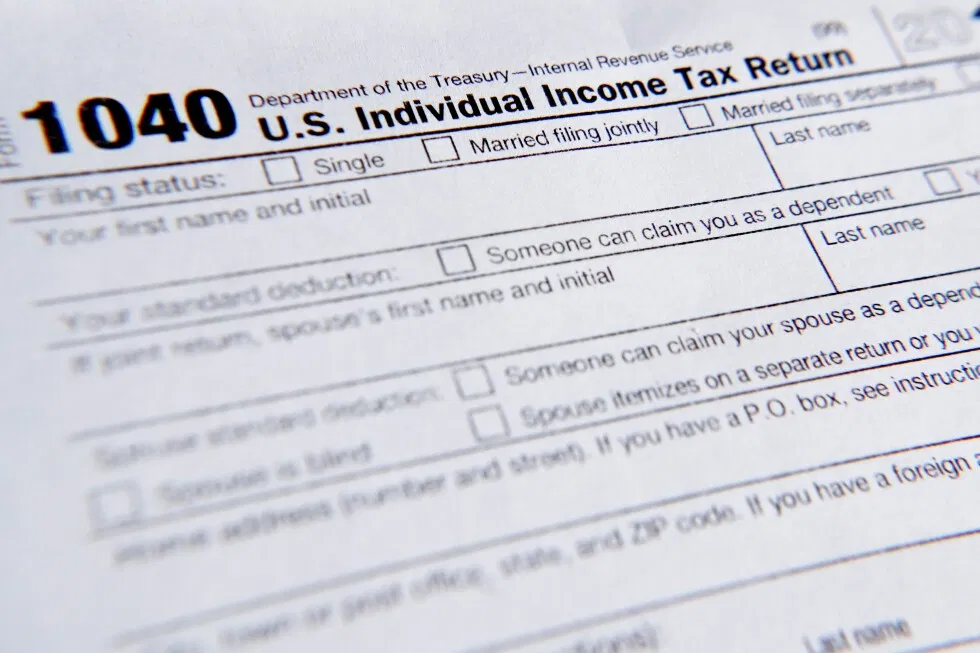
With the 2026 tax filing season now underway, the Internal Revenue Service is issuing urgent warnings to millions of Americans: a single error in your direct deposit information could freeze your tax refund for weeks. As the agency grapples with staffing cuts, new electronic payment rules, and complex tax law changes, taxpayers face a perfect storm of potential delays just as many are expecting larger refunds due to recent legislation.
How Direct Deposit Errors Are Freezing Millions in Refunds
The IRS has alerted taxpayers that refunds may be held for weeks due to invalid direct deposit details, according to a report from The Economic Times. New electronic payment rules implemented this year are driving these delays, meaning that even a minor mistake in bank account or routing numbers can trigger an automatic freeze on your refund.
"The IRS warns tax refunds may be frozen for weeks due to invalid direct deposit details," the publication reported. "New electronic payment rules are driving delays." This comes as the agency phases out paper tax refund checks, making accurate digital banking information more critical than ever.
The transition away from paper checks is part of Executive Order 14247, which requires the IRS to phase out paper tax refund checks beginning September 30, 2025. While this move aims to reduce costs and increase security, it places greater importance on taxpayers providing correct banking information upfront.
From Filing to Frustration: The 2026 Tax Refund Timeline
The 2026 tax filing season officially began on January 26, with the IRS expecting approximately 164 million taxpayers to file returns by the April 15 deadline, according to the Associated Press. For those filing electronically with direct deposit, the agency typically processes refunds within 21 days. However, paper returns can take six weeks or longer, and those claiming Earned Income Tax Credit or Additional Child Tax Credit won't see refunds until at least March 2.
Key dates for the 2026 tax season include:
- January 26: IRS begins accepting and processing 2025 tax returns
- February 15: Earliest date for EITC/ACTC refunds to be issued
- March 2: Most EITC/ACTC refunds expected to be available
- April 15: Tax filing deadline for most taxpayers
- September 30: Paper tax refund checks begin being phased out
The IRS "Where's My Refund?" tool is available 24 hours after electronic filing or 4 weeks after mailing a paper return, providing taxpayers with status updates throughout the process.
Why This Tax Season Is Facing Unprecedented Challenges
Three major factors are converging to create what the National Taxpayer Advocate has called "significant challenges" for the 2026 filing season: staffing reductions, complex new tax laws, and the transition away from paper checks.
According to an Axios report, "IRS staffing crunch could slow tax refunds, watchdog report says." The Treasury Inspector General for Tax Administration has warned that the IRS entered the 2026 filing season short-staffed, raising the risk of refund delays and longer waits for help. The agency is operating with approximately 10% fewer employees than last year despite processing a similar volume of returns.
Meanwhile, taxpayers can expect larger refunds this year due to tax cuts enacted in 2025. CNBC reports that "tax refunds may be $1,000 higher on average," with the White House estimating up to $100 billion in additional refund money flowing to households. The average refund in 2025 was $3,167, and some analysts project that amount could jump by $300 to $1,000 in 2026.
National Taxpayer Advocate Erin Collins warned in her annual report to Congress that while the IRS performed well in 2025, "entering 2026, the landscape is markedly different" due to workforce reductions and new tax law complexity. Her office expressed particular concern about the agency's ability to handle taxpayer inquiries and process returns efficiently given the staffing constraints.
Where the IRS Stands Now: Staffing Shortages and System Changes
The IRS is currently navigating what may be its most challenging filing season in recent memory. Beyond the staffing issues, the agency is implementing new electronic payment systems that represent the most significant change to refund distribution in decades.
According to Forbes, "Watchdog warns IRS may struggle during the 2026 tax filing season" due to "staffing losses, backlogs of unprocessed tax returns, and tech delays." These factors leave the agency entering the filing season under strained conditions, potentially affecting service quality for millions of taxpayers.
The phase-out of paper checks is particularly significant for older taxpayers and those without traditional banking relationships. While the IRS will still accommodate exceptions for taxpayers who cannot receive direct deposit, the default expectation is now electronic payment, requiring accurate banking information from the majority of filers.
USA Today notes that "new tax rules mean bigger refunds, but also more complexity," highlighting how recent legislative changes have created both opportunity and confusion for taxpayers. The average refund amount was $3,167 in 2025, and "it's expected that we're looking at up to $100 billion more in tax refunds that will head into bank accounts" in 2026.
How to Protect Your Refund and Avoid Delays
Tax experts and the IRS itself recommend several steps to ensure timely refunds:
- File electronically with direct deposit: This remains the fastest way to receive your refund, typically within 21 days.
- Double-check banking information: Verify account and routing numbers before submitting your return to avoid frozen refunds.
- Claim credits accurately: Ensure proper documentation for EITC, ACTC, and other credits to prevent processing delays.
- Monitor refund status: Use the IRS "Where's My Refund?" tool 24 hours after e-filing or 4 weeks after mailing a paper return.
- Consider professional help: With tax law complexity increasing, a qualified tax professional can help avoid errors.
- File early: Avoid the last-minute rush that can lead to mistakes and processing delays.
- Keep records: Maintain copies of your tax return and supporting documents for at least three years.
The IRS emphasizes that taxpayers who file electronically and choose direct deposit typically experience the fewest problems and fastest refunds, even during challenging filing seasons.
Key Takeaways for Taxpayers Expecting Refunds
The 2026 tax season presents both opportunity and challenge for American taxpayers. While many will receive larger refunds due to recent tax cuts, they may also face longer wait times due to IRS staffing shortages and new electronic payment rules. The single most important action taxpayers can take is to ensure accurate direct deposit information when filing electronically. Those who do should still receive their refunds within the standard 21-day window, while others risk weeks of delays as the IRS navigates its most complex filing season in recent memory.
As the April 15 deadline approaches, taxpayers should prioritize accuracy over speed, double-check all information, and consider using the IRS's online tools to track their refund status. With proper preparation and attention to detail, most taxpayers can still navigate this challenging filing season successfully and receive their refunds in a timely manner.