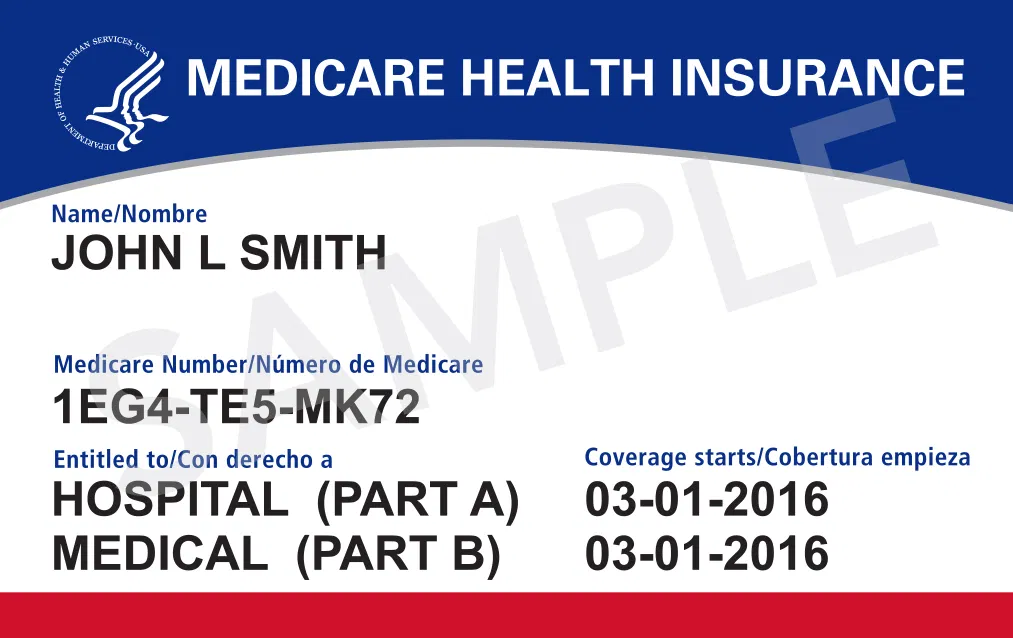
If an unexpected $90 deposit from the Social Security Administration landed in your bank account in early October 2026, it is not a mistake and it is not a scam — it is a one-time Medicare Improvement Fund Premium Rebate. President Donald Trump announced the payments on October 2, 2026, as a way to help roughly 20 million older Americans cope with a record increase in Medicare Part B premiums. The money is being distributed automatically through Social Security, with most direct deposits arriving on or around October 8, 2026. Here is exactly why you received the $90, who is eligible, and what it means for your retirement finances.
Why 20 Million Seniors Are Getting a $90 Check From Social Security
The $90 payment is drawn from the Medicare Improvement Fund, a flexible funding pool that Congress established in 2008 to support Medicare programs. The White House says the rebate is meant to offset rising Medicare Part B premiums, which climbed to $202.90 per month in 2026 — the first time the standard premium has ever topped $200.
Altogether, the program will distribute roughly $2 billion to about 20 million beneficiaries, according to The Hill and other outlets. That works out to about one-third of everyone enrolled in Medicare Part B. Most eligible seniors will receive the $90 as a direct deposit from the Social Security Administration, followed by a letter or email from the president in mid-October confirming the payment.
The rebate shows up as a Social Security transaction for a simple reason: Social Security already withholds Medicare Part B premiums directly from benefit checks. Because the two programs are administered together, the premium offset arrives through the same payment channel as your monthly benefit. As experts told CBS News, the $90 is helpful — but it will not fully offset the higher costs Medicare recipients are facing this year.
Who Qualifies for the $90 Medicare Rebate — and Who Doesn't
Eligibility for the rebate is narrower than many people assume. According to the Centers for Medicare & Medicaid Services (CMS), you qualify if you are enrolled in Medicare Part B — also known as Original Medicare — and you live in the United States. You must also not be paying an income-related monthly adjustment amount, or IRMAA, which is a surcharge applied to higher-income beneficiaries.
That means two large groups are left out. First, the estimated 40 million Americans enrolled in Medicare Advantage (Part C) plans are not eligible, because those plans bundle coverage through private insurers and do not charge the standard Part B premium directly. Second, higher-income seniors who pay IRMAA surcharges — which in 2026 apply to individuals with modified adjusted gross income above roughly $109,000 and married couples above roughly $218,000 — are excluded from the $90 payment.
Timeline: From White House Announcement to Your Bank Account
The rebate moved from announcement to deposit in less than a week:
- October 2, 2026 — The White House releases a fact sheet announcing the Medicare Improvement Fund payments.
- October 3, 2026 — Reuters, The Guardian, and The Hill report that roughly 20 million seniors will receive the one-time $90 payment.
- October 8, 2026 — Most eligible beneficiaries receive the $90 via direct deposit from the Social Security Administration.
- Mid-October 2026 — Paper checks are mailed to beneficiaries without direct deposit, and the president's confirmation letter or email begins arriving.
Why $90 Barely Covers the 2026 Medicare Part B Premium Hike
The rebate arrives against the backdrop of one of the steepest Medicare premium increases in years. The standard Part B monthly premium rose from $185 in 2025 to $202.90 in 2026 — a jump of $17.90 per month, or just under 10 percent. Over a full year, that adds up to about $214.80 in additional costs per enrollee.
By comparison, the $90 rebate covers less than half of that annual increase. The squeeze is even tighter when measured against Social Security's cost-of-living adjustment (COLA), which was just 2.8 percent for 2026. Analysts at Boston College's Center for Retirement Research calculated that the higher Medicare premiums will consume more than 25 percent of the typical beneficiary's COLA increase, leaving less room in fixed budgets for food, housing, and other essentials.
The Kaiser Family Foundation (KFF) noted that the one-time payment is reminiscent of a similar proposal six years ago — a reference to President Trump's 2020 plan to mail prescription drug discount cards to seniors — and cautioned that a single $90 rebate may not meaningfully offset the long-term trajectory of rising healthcare costs.
What the $90 Rebate Means for Your Retirement Budget
For financial planners, the rebate is a useful reminder that healthcare inflation consistently outpaces general inflation and erodes retirement income. Because Medicare premiums are deducted directly from Social Security benefits, premium increases effectively reduce the take-home amount retirees see each month.
Here are a few practical steps to consider:
- Treat the $90 as a one-time credit, not a raise. The rebate is not recurring, so do not build it into your monthly spending plan.
- Budget for premium growth. Part B premiums have now topped $200 a month and are projected to keep rising. Plan for healthcare costs to grow faster than your COLA.
- Watch your income if you are near IRMAA thresholds. A single year of higher income — from a Roth conversion, a home sale, or required minimum distributions — can trigger a surcharge that raises your Part B premium and, in this case, disqualifies you from rebates like the $90 payment.
- Weigh Original Medicare against Medicare Advantage carefully. Advantage plans often have lower upfront premiums, but they also excluded roughly 40 million people from this rebate — one more data point for the ongoing Original Medicare versus Medicare Advantage decision.
What Happens Next for Medicare Costs and Retirees
For now, the $90 is a one-off payment, not a recurring benefit. There is no indication that the Medicare Improvement Fund rebate will become an annual feature, and CMS describes it explicitly as a single $90 payment. That means the relief is temporary while the premium increases are permanent — a dynamic retirees should factor into their long-term planning.
Looking ahead, the episode underscores a broader risk in retirement planning: healthcare costs are rising faster than the inflation adjustments built into Social Security. Retirees who rely heavily on Social Security for income should model Medicare premium growth, deductibles, and out-of-pocket costs into their withdrawal plans rather than assuming their COLA will keep pace with real expenses.
Watch Out for Scammers Posing as Social Security
Whenever a government payment makes headlines, scammers follow. The Social Security Administration and the Federal Trade Commission warn that criminals impersonate SSA and Medicare officials to steal personal information or demand fees to release benefits. The $90 rebate is automatic: you do not need to apply, click a link, provide your Medicare or Social Security number, or pay any fee to receive it.
If you receive a call, text, or email claiming you must verify your information to claim the $90, hang up or delete it. Report suspected scams to the Social Security Administration's Office of the Inspector General at oig.ssa.gov or to 1-800-MEDICARE.
The Bottom Line: Key Takeaways
- The $90 deposit from Social Security is a one-time Medicare Improvement Fund Premium Rebate, not a regular benefit increase or an error.
- About 20 million Original Medicare (Part B) enrollees qualify; Medicare Advantage and higher-income (IRMAA) enrollees do not.
- Payments are automatic, arriving via direct deposit on or around October 8, 2026, with checks and letters to follow.
- The rebate offsets only part of the 2026 Part B premium increase, which jumped from $185 to $202.90 per month.
- Treat the payment as a one-time credit, stay alert for scams, and plan for healthcare costs to keep rising faster than your COLA.