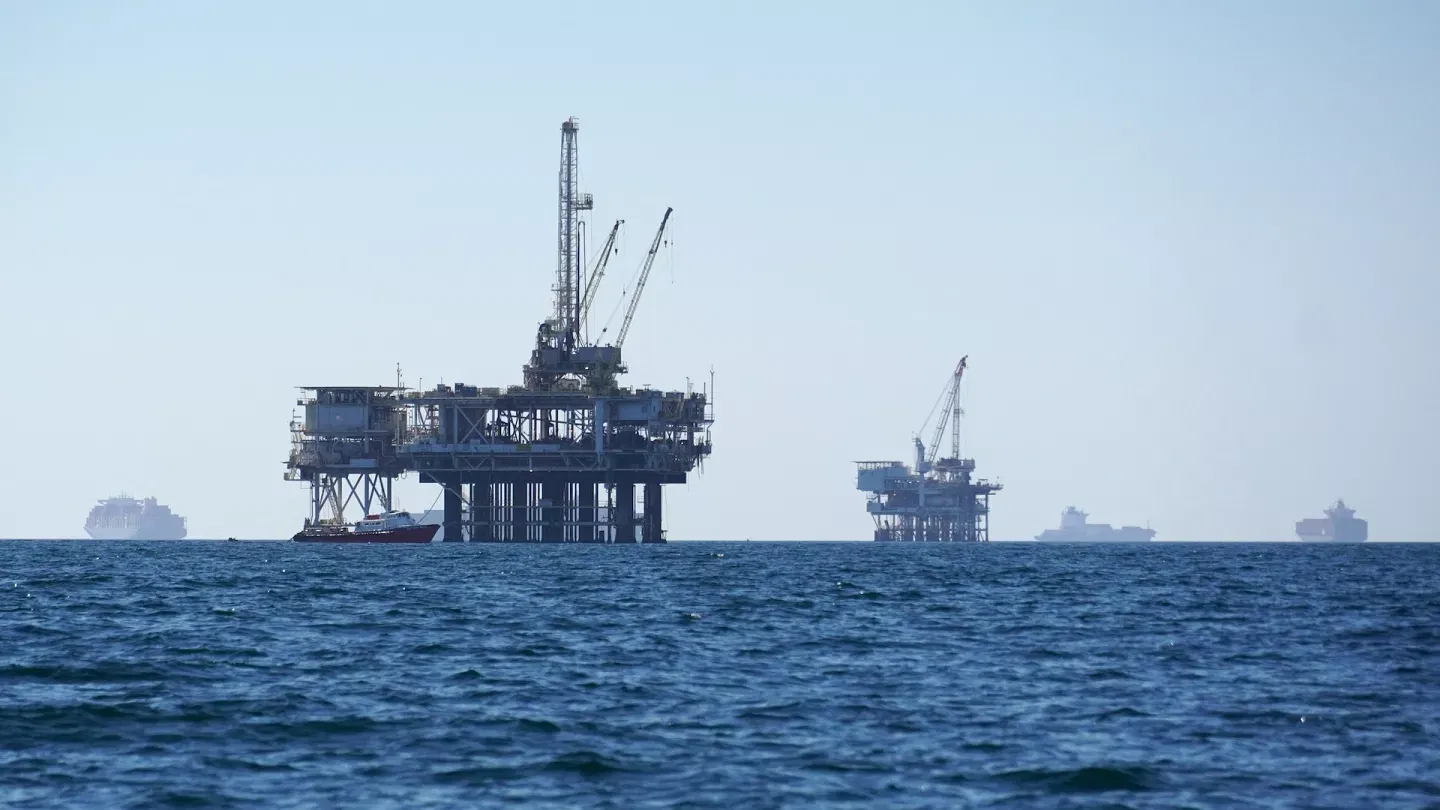
Crude oil prices surged past $109 per barrel today as geopolitical tensions in the Middle East escalated following President Trump's threats of additional strikes on Iran. The dramatic price movement represents a nearly 11% single-day increase and marks the highest level for Brent crude since 2022, sending shockwaves through global financial markets and triggering concerns about prolonged energy inflation. As investors scramble to adjust their portfolios, the correlation between oil prices and equity markets has become increasingly pronounced, with Dow futures falling 0.2% and broader market indices showing clear negative reactions to the energy price spike.
How Geopolitical Tensions Are Reshaping Oil Markets
The immediate catalyst for today's price surge came from President Trump's address to the nation, where he vowed to bring Iran "back to the Stone Age" while providing no detail on ending the ongoing conflict. This rhetoric immediately translated into market action, with Brent crude briefly surging past $109 per barrel before settling at elevated levels. The psychological $100 barrier had already been broken earlier this week when U.S. crude settled above that threshold for the first time since 2022, but today's movement represents a significant acceleration of the existing trend.
Beyond the immediate geopolitical headlines, structural supply concerns continue to pressure markets. Russia's crude production in December fell below OPEC+ targets, with the country producing 8.971 million barrels per day—7,000 barrels short of its agreed quota. Meanwhile, the Biden administration's planned sanctions on Russian oil exports ahead of the presidential transition, combined with expected reinforced restrictions on Iran's oil exports under the incoming administration, could potentially remove up to one million barrels per day from global supply. This represents approximately 1% of worldwide production capacity at a time when inventory data suggests tightening conditions.

Timeline: The Road to Triple-Digit Oil Prices
The current price environment represents the culmination of several months of accumulating pressures. In early December, crude prices hit near three-year lows as concerns about global economic slowdown dominated market sentiment. However, by January 2025, prices began their recovery with Brent crude futures hitting a four-month high of $81 per barrel, up $8 from month-ago levels. The turning point came when OPEC+ postponed its plan to unwind joint output cuts amid slowing global demand and rising U.S. production, effectively maintaining supply discipline through 2026.
February saw additional pressure from China's Shandong Port Group, which issued a notice banning U.S.-sanctioned oil vessels—a move that directly impacted Iranian oil flows to one of the world's largest energy consumers. By March, the conflict in the Middle East had intensified, with direct attacks on shipping lanes through the Strait of Hormuz disrupting approximately 20% of global oil transportation. April's price explosion represents the market's assessment that these disruptions may become prolonged rather than temporary, with J.P. Morgan analysts warning of potential spikes to $120-$130 per barrel in the near term.
Why Today's Oil Prices Matter for Your Portfolio
The correlation between oil prices and equity markets has reemerged strongly in 2026, reflecting broader concerns about how energy inflation impacts economic growth and corporate profitability. Historical data shows that sustained oil prices above $100 per barrel typically translate into increased production costs across multiple sectors, reduced consumer discretionary spending, and heightened volatility in transportation and manufacturing stocks. For investors, this creates both risks and opportunities that require careful navigation.
Energy sector equities have naturally benefited from the price surge, with many upstream producers seeing their share prices increase by 15-25% over the past month. However, the downstream picture is more complex: refiners face squeezed margins as input costs rise faster than they can pass them along to consumers. Airlines, shipping companies, and ground transportation firms have all seen their stocks decline as analysts revise earnings estimates downward to account for higher fuel expenses. Consumer discretionary stocks also face headwinds, as households allocate more of their budgets to gasoline and heating costs.
Where Things Stand: Current Market Dynamics
As of today's market close, Brent crude stands at approximately $109.24 per barrel, while West Texas Intermediate (WTI) trades around $111.54. The spread between the two benchmarks has narrowed to historically typical levels after widening during previous periods of logistical disruption. Trading volume has been exceptionally high, with options markets showing increased demand for protection against further price spikes. The forward curve indicates backwardation—where near-term prices exceed longer-dated futures—suggesting traders expect current supply constraints to ease over time but remain problematic in the immediate future.
Physical market indicators support the price action, with U.S. oil inventories potentially falling for the seventh consecutive week according to American Petroleum Institute data. Should this be confirmed by the Energy Information Administration's official report, it would signal robust demand despite elevated prices. Geographically, Asian buying has remained strong despite higher costs, while European inventory levels have tightened significantly due to both supply disruptions and colder-than-expected winter weather increasing heating oil demand.
What Happens Next: Scenarios for Oil Investors
Market participants currently face three plausible scenarios for the coming weeks. The base case, priced into current markets, assumes continued volatility with prices fluctuating between $100-$115 per barrel as diplomatic efforts proceed alongside military actions. The bullish scenario, with approximately 30% probability according to options pricing, would see prices surge toward $150 if Strait of Hormuz disruptions persist into mid-May, as warned by J.P. Morgan analysts. The bearish scenario, with roughly 20% probability, involves a rapid diplomatic resolution that restores shipping lanes and brings prices back toward $85-$90 levels.
For long-term investors, the current environment underscores the importance of energy exposure within diversified portfolios. While timing entry points remains challenging, dollar-cost averaging into quality energy names may prove prudent given structural underinvestment in oil infrastructure over recent years. Alternative energy investments also merit consideration, as high fossil fuel prices accelerate adoption of renewable alternatives and efficiency technologies. Most importantly, investors should review their overall asset allocation to ensure appropriate balance between energy-sensitive and energy-benefiting positions.
The Bottom Line: Key Points for Today's Oil Market
• Geopolitical tensions have pushed Brent crude past $109 per barrel, the highest level since 2022
• Supply constraints from Russia, Iran, and logistical disruptions create structural market tightness
• Equity markets show negative correlation, with transportation and consumer sectors particularly vulnerable
• J.P. Morgan warns of potential spikes to $120-$130 with risk of exceeding $150 if disruptions persist
• OPEC+ maintains production discipline through 2026, supporting elevated price floors
• Investors should review portfolio energy exposure and consider both traditional and alternative energy positions
The crude oil market today represents a perfect storm of geopolitical risk, supply constraints, and robust demand—a combination that typically produces both volatility and opportunity. While the immediate price movements may appear dramatic, they reflect genuine fundamental pressures that require careful navigation by investors. Those who understand the underlying dynamics, maintain appropriate portfolio balance, and focus on long-term trends rather than short-term fluctuations will be best positioned to manage the risks and capitalize on the opportunities presented by today's energy markets.