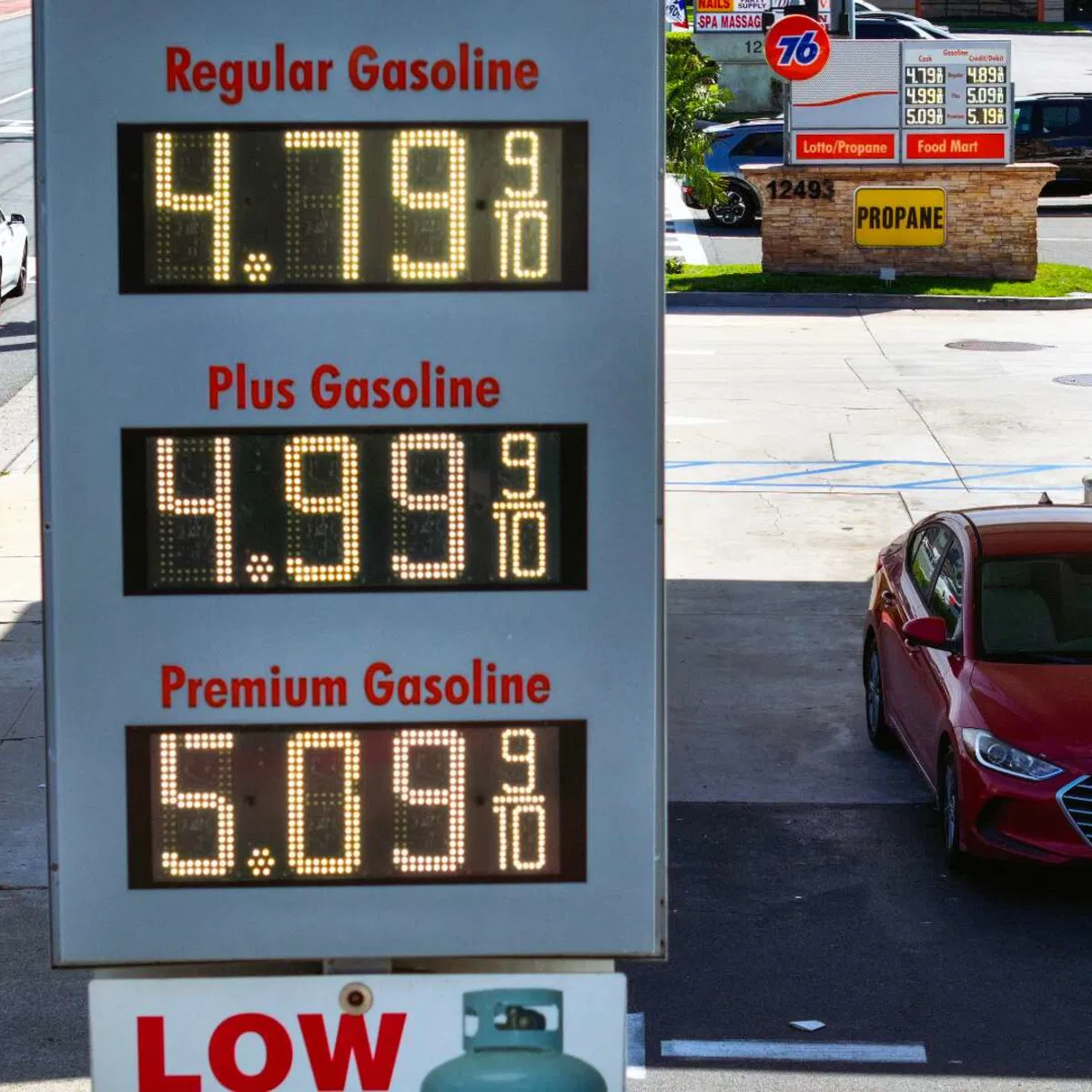
Gas prices have surged 9% to an 11-month high in just one week, sending shockwaves through financial markets and raising urgent questions for investors about inflation risks and portfolio positioning. The dramatic spike at the pump—with the national average reaching $3.25 per gallon—comes as escalating conflict with Iran disrupts critical Middle East oil shipping routes, creating what analysts call a "textbook supply-side shock" with potentially far-reaching consequences for the global economy.
How the Iran Conflict Is Reshaping Energy Markets
The immediate trigger for the price surge is the U.S.-Israeli military campaign against Iran, which has effectively closed the Strait of Hormuz—a chokepoint for approximately 20% of global oil shipments. According to Reuters reporting, Brent crude futures jumped as much as 13% to $82.37 per barrel, while European natural gas futures soared an astonishing 70% in just days. "Stubbornly high oil and gas prices could impact economies around the world," warned The Guardian's market analysts. "Specifically, they could be inflationary and disrupt plans to cut interest rates."

Timeline: From Middle East Strikes to Market Turmoil
The sequence of events unfolded with remarkable speed. On February 27, U.S. and Israeli forces launched coordinated strikes against Iranian military targets. Within hours, Iran announced the closure of the Strait of Hormuz to commercial shipping. By March 2, Brent crude had jumped 10% in over-the-counter trading. March 3 saw European gas futures surge 70% as traders panicked about winter supply disruptions. On March 4, the national gas price average hit $3.25—up 27 cents from the previous week and 36 cents from a month ago. March 5 brought stock market rebounds but sustained energy price pressure, with the Wall Street Journal reporting gasoline prices at $3.11 and still climbing.
Why This Energy Shock Matters for Your Portfolio
Morgan Stanley's investment team identifies several critical implications for investors. "Prolonged conflict with Iran could lead to higher oil prices, hotter inflation and greater market uncertainty," their analysis states. This creates a dual challenge: energy-driven inflation could delay Federal Reserve rate cuts, while higher fuel costs squeeze consumer spending and corporate margins. European stocks are already feeling the pain, heading for their worst week since April according to Morningstar data. The BBC notes experts warning that "if oil and gas prices remain elevated, it could make goods and services more expensive" across the economy.
Where Things Stand: Markets in Flux
As of March 6, the situation remains fluid. Federal Reserve Governor Christopher Waller has attempted to calm nerves, stating he "doesn't expect the current oil price shock to have a persistent impact on inflation." Yet CNBC reports the conflict "threatens another price spike that could undermine the president's central case for lower interest rates." Asian markets experienced significant volatility, while U.S. stocks showed resilience but remain sensitive to energy price movements. The Forbes investment team notes that "this conflict has caused the price of natural gas to rise" and suggests specific portfolio adjustments for investors.
What Happens Next: Preparing Your Investment Strategy
Looking forward, analysts see three possible scenarios. In a best-case resolution, diplomatic efforts reopen shipping lanes within weeks, allowing prices to moderate. A medium-term disruption could keep oil in the $80-90 range for several months, testing central bank inflation forecasts. Worst-case escalation might push Brent above $100, triggering stagflation concerns. Smart investors are now reviewing their exposure to energy-sensitive sectors, considering inflation-protected assets, and re-evaluating consumer discretionary stocks that could suffer from reduced household spending power.
The Bottom Line: Key Points for Investors
First, recognize this as a supply-driven shock with different implications than demand-driven inflation. Second, monitor transportation and industrial stocks closely—they're most vulnerable to sustained high fuel costs. Third, consider energy sector exposure but be selective; some companies benefit from higher prices while others face operational risks. Fourth, keep duration risk in mind—if inflation proves stickier than expected, fixed income could face headwinds. Finally, maintain portfolio diversification; geopolitical events remind us why spreading risk across asset classes remains fundamental to sound investing.