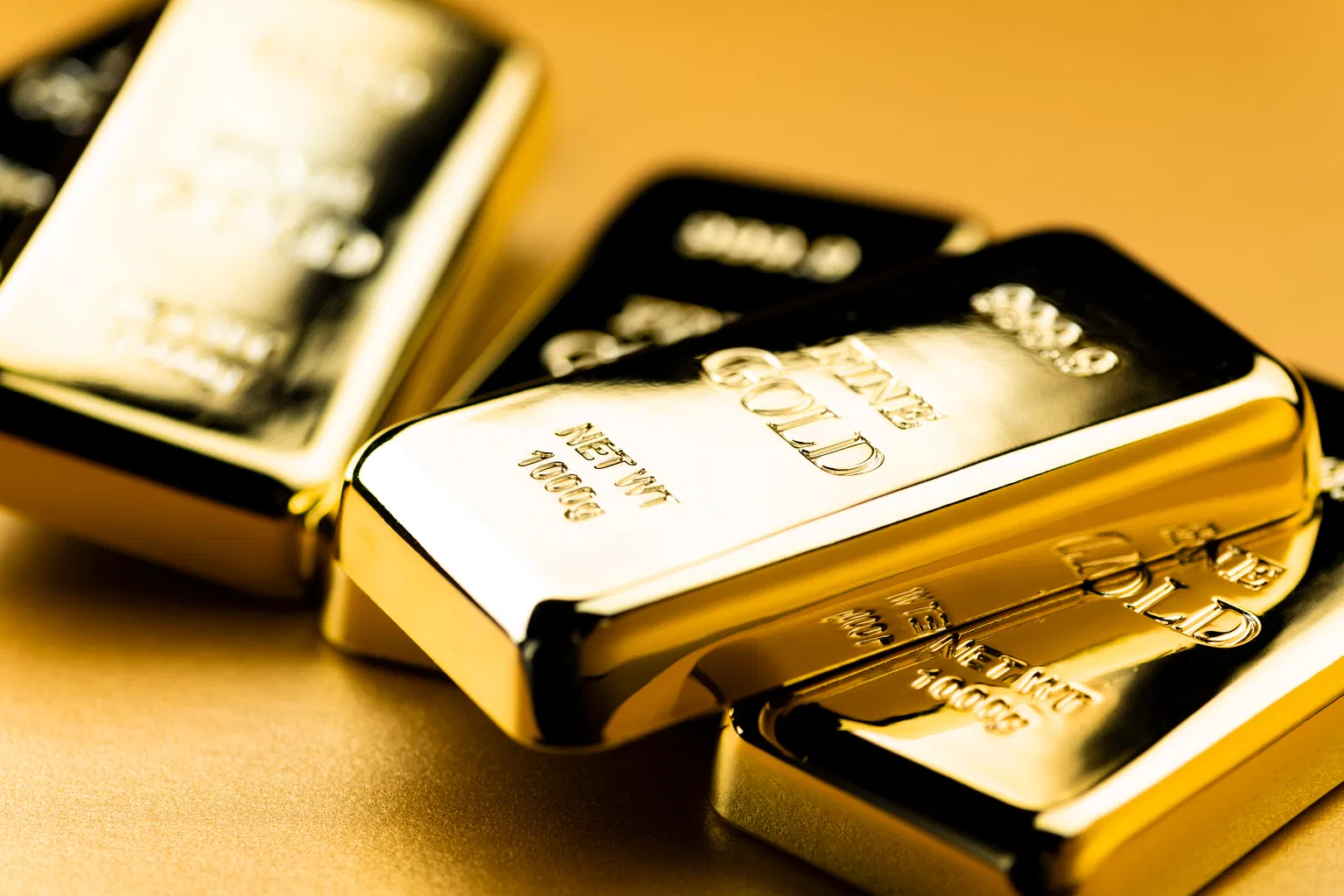
Gold made history in March 2025, shattering the $3,000 per ounce barrier for the first time ever as investors flocked to the safe-haven asset amid escalating geopolitical tensions and tariff uncertainty. The precious metal's breakthrough on March 14 marked a pivotal moment in its 2025 rally, which has seen prices surge over 30% year-to-date driven by unprecedented central bank demand and structural shifts in global markets. For investors, this milestone raises critical questions about gold's role in portfolios, the sustainability of the rally, and what comes next for the world's oldest store of value.
How Gold Shattered the $3,000 Barrier in March 2025
The historic $3,000 threshold was crossed during early trading on Friday, March 14, with spot gold reaching $3,004.86 per ounce, according to market data. This breakthrough followed months of steady accumulation by central banks, persistent geopolitical friction, and growing anxiety over U.S. tariff policies that threatened to reheat inflation. Analysts noted that gold's ascent wasn't a sudden spike but rather the culmination of a sustained rally that had already produced 12 record highs earlier in 2025. The metal closed March at an all-time monthly high of $3,124, representing a 9.3% gain for the month alone, building on what Seeking Alpha's gold market analysis called "remarkable resilience and adaptability amidst fluctuating macroeconomic conditions."
What made March's rally particularly significant was its divergence from traditional gold investment patterns. While retail investors had been increasing allocations through bars and coins, institutional ETF flows remained surprisingly subdued. This suggested that the primary buying pressure was coming from official sector purchases rather than speculative investment—a fundamental shift that potentially makes the current rally more sustainable than previous bull markets.
The Road to $3,000: Key Moments in Gold's 2025 Rally
Gold's journey to $3,000 followed a carefully documented path throughout early 2025. The year began with prices already elevated at approximately $2,624, but accelerating central bank purchases and escalating Middle East tensions provided consistent upward pressure. By mid-January, gold had broken through $2,800, then $2,900 in February as tariff uncertainty mounted. The final push came in March when weaker-than-expected inflation data combined with geopolitical developments to trigger the decisive breakout.
Critical to this timeline was the sustained purchasing by central banks, which according to World Gold Council data reported by Seeking Alpha, increased to 230 tonnes in Q4 2025 alone—a 6% quarterly rise. This institutional demand created a floor under prices that prevented significant pullbacks. Meanwhile, retail investors in Asia and Europe continued accumulating physical gold, with total annual investment reaching a staggering $240 billion in 2025, more than double the previous year's figure.
Why Gold's Rally Is Different This Time: Expert Insights
Market analysts emphasize that the 2025 gold surge differs fundamentally from previous bull markets. "Gold has surged over 30% year-to-date in 2025, driven largely by unprecedented central bank demand and geopolitical tensions, rather than traditional ETF flows," notes a Seeking Alpha analysis of the historic move. This distinction matters because central bank purchases tend to be strategic and long-term, suggesting sustained support for prices even if retail sentiment fluctuates.
Several interconnected factors are driving this unique rally: geopolitical tensions that have accelerated de-dollarization trends, tariff policies creating inflation uncertainty, and a structural shift in how institutions view gold within portfolios. According to investment research cited by Seeking Alpha, "Gold continues to be an indispensable asset in the global financial landscape, demonstrating remarkable resilience and adaptability amidst fluctuating macroeconomic conditions and geopolitical tensions." This resilience is particularly valuable as traditional hedges like bonds struggle in the current interest rate environment.
Perhaps most telling is the behavior of gold ETFs. Despite the price rally, holdings in exchange-traded products have remained relatively flat in terms of ounces held. This suggests that the primary institutional vehicle for gold investment hasn't yet fully engaged—a factor that could provide additional fuel for the rally if broader ETF flows return to the market.
Where Gold Stands Now: Prices, Demand, and Market Sentiment
As of late March 2025, gold has maintained its gains above the $3,000 level, trading in a range between $3,100 and $3,200. The market structure remains supportive, with central bank purchases continuing at elevated levels and geopolitical tensions showing no signs of abating. According to Seeking Alpha's demand analysis, "Tense geopolitics look set to be a major contributor to gold's fortunes again in 2026, supporting a continuation of elevated central bank demand, strong gold ETF inflows, and robust bar and coin demand."

The current market dynamic presents both opportunities and challenges for investors. On one hand, the strong fundamentals suggest further upside potential, particularly if ETF flows accelerate. On the other hand, the rapid price appreciation has made timing entries more difficult, and volatility could increase as markets digest the new price regime. For retail investors, this environment emphasizes the importance of strategic allocation rather than tactical timing, with many advisors recommending a consistent percentage allocation to gold rather than attempting to trade short-term movements.
Gold's Path Forward: Predictions for 2025 and Beyond
Looking ahead, major financial institutions have significantly upgraded their gold forecasts. Goldman Sachs Research now predicts gold will rise to $3,700 per troy ounce by the end of 2025, citing sustained central bank purchases and increased demand from retail investors. Other analysts project even higher levels, with some forecasts reaching $4,000 by mid-2026 as de-dollarization trends accelerate.
The consensus among analysts is that gold's bull market has entered a new phase characterized by structural rather than cyclical drivers. As one Seeking Alpha report notes, "Gold's price run during the first five months of 2025—up ~25% to $3,300/oz—once again places it at the top of the leaderboard for global macro asset classes." This performance has occurred despite relatively high interest rates, challenging the conventional wisdom that gold struggles in rising rate environments.
For the remainder of 2025, key factors to watch include central bank purchasing patterns, progress on geopolitical negotiations, and the trajectory of U.S. tariff policies. Each of these elements could either extend the rally or prompt a consolidation phase. However, most analysts believe that any pullbacks will likely be limited in depth and duration given the strong underlying demand fundamentals.
Key Takeaways for Investors
Gold's historic breakthrough above $3,000 in March 2025 represents more than just a price milestone—it signals a fundamental shift in how the precious metal functions within global financial markets. The rally has been driven by structural factors including unprecedented central bank demand, geopolitical realignments, and growing institutional recognition of gold's portfolio benefits. For investors, this creates both opportunities and considerations:
- Strategic allocation matters more than timing: Given gold's strong fundamentals, consistent allocation through dollar-cost averaging may prove more effective than attempting to time market entries.
- Diversification across gold vehicles: Consider spreading exposure across physical gold, ETFs, and mining stocks to capture different aspects of the rally while managing risk.
- Monitor central bank activity: Continued strong purchases by official institutions likely provide ongoing support for prices.
- Prepare for volatility: While the trend appears upward, expect periodic pullbacks as markets digest the rapid price appreciation.
As the investment landscape continues to evolve amid geopolitical uncertainty and monetary policy shifts, gold's role as a strategic asset appears more relevant than ever. The March 2025 breakthrough above $3,000 may well be remembered as the moment gold transitioned from a cyclical play to a core holding in forward-looking portfolios.