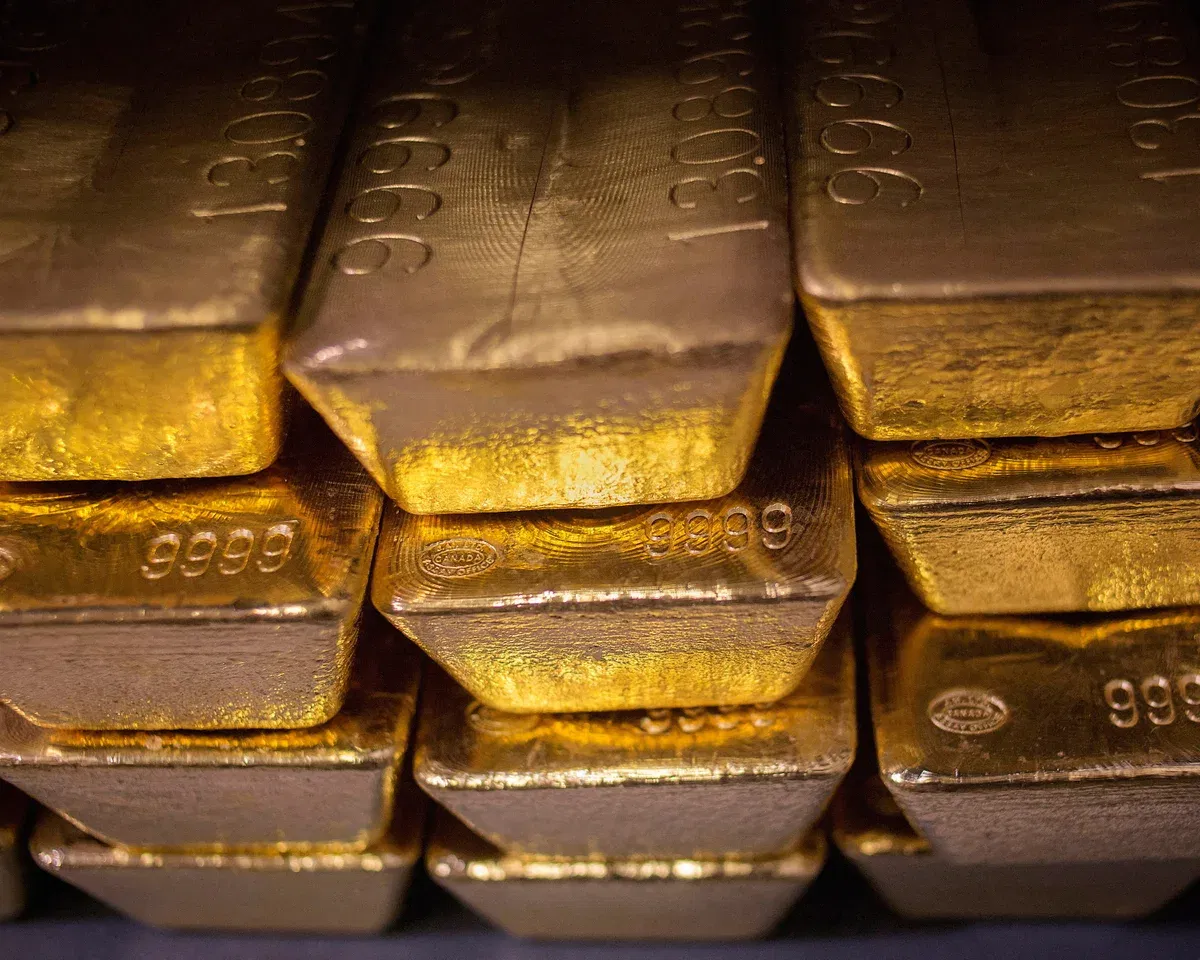
Gold has delivered its strongest annual performance since 1979, surging more than 40% in 2025 and shattering 53 all-time highs along the way. The precious metal crossed $3,700 per ounce during the year, outpacing every other major asset class and cementing its status as the go-to safe haven in an increasingly uncertain world. For investors, the question is no longer whether gold is rallying — but whether the rally still has room to run, and how to position for what comes next.
Inside Gold's Historic Rally: What's Driving the Surge
The scale of gold's 2025 rally is hard to overstate. According to the World Gold Council, total gold demand (including over-the-counter investment) topped 5,000 tonnes for the year — a record high. The Council's Gold Demand Trends report showed that investment demand fuelled the market, with safe-haven and diversification motives driving exceptional ETF inflows and robust bar and coin buying. In the United States alone, gold demand surged 140% year-over-year to 679 tonnes, the highest level since 2020.
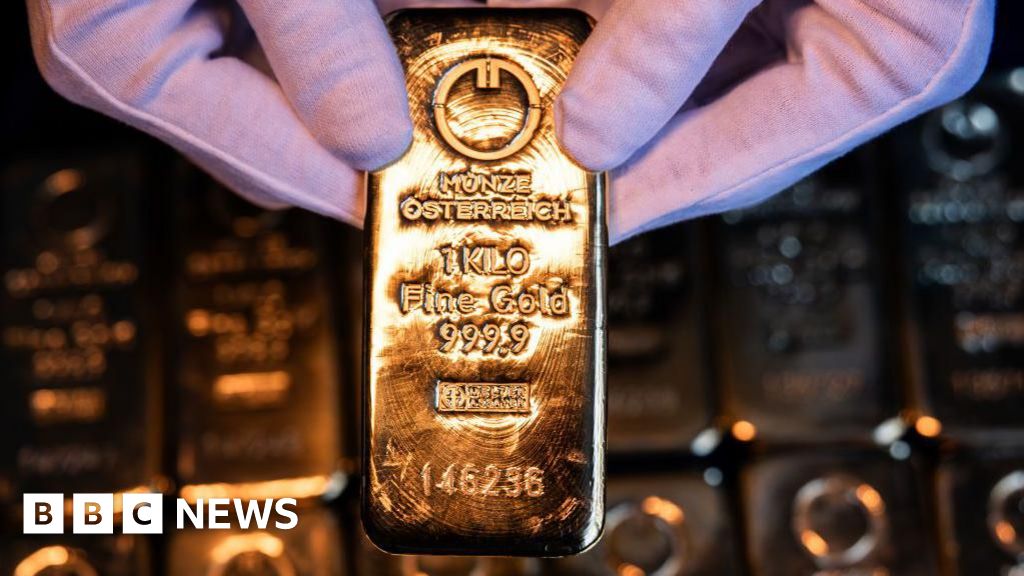
Morgan Stanley analysts identified multiple converging catalysts behind the rally. "First, it's possible that investors are buying gold as a hedge against the risk of a speculative AI bubble in stocks," the bank noted in its October 2025 report. "The equity market is priced for perfection, and gold offers a portfolio hedge." This marks an unusual but increasingly cited driver — gold as insurance against technology exuberance rather than purely against inflation or geopolitical crisis.
The Guardian's coverage highlighted that "interest rates, inflation and geopolitical crises are providing the metal with its strongest annual performance since 1979." With the US Federal Reserve cutting interest rates and global trade tensions escalating under renewed tariff pressures, the macro environment has been tailwind after tailwind for gold bulls.
Timeline: How Gold's Rally Unfolded in 2025
Early 2025: Gold begins the year around $2,600/oz. Investors rush to the metal amid Trump administration trade tariffs and uncertainty over Federal Reserve policy direction. Goldman Sachs predicts gold will reach $3,700/oz by year-end.
April 2025: Gold crosses $3,300/oz for the first time. Indian gold prices hit ₹98,240 per 10 grams. ETF inflows accelerate as institutional investors increase allocations.
May 2025: The BBC reports that gold is booming but warns investors "lured in by the hype could lose out." The article notes that trade wars and volatile markets have contributed to a gold rush, with experts cautioning against overconcentration.
September 2025: Gold hits approximately $3,693/oz, reflecting a 47% year-over-year gain. The Guardian declares it a "bullion bonanza," noting this is gold's best year since 1979. The metal has outpaced all other major asset classes.
October 2025: Morgan Stanley publishes its analysis connecting the gold rally to investor concerns about an AI bubble, inflation hedging, and US dollar debasement fears. Gold prices have risen over 40% year-to-date.
December 2025: Gold and silver both hit new records as investors hunt for safety amid ongoing geopolitical tensions and expectations of further US interest rate cuts, according to BBC reporting. The World Gold Council confirms total annual demand exceeded 5,000 tonnes.

Why This Rally is Different: Expert Analysis and What It Means
The 2025 gold rally is structurally distinct from previous bull runs. The most significant difference is the role of central banks. According to the World Gold Council, central banks purchased 863 tonnes of gold in 2025, marking the third consecutive year of near-1,000-tonne buying. This is not a tactical trade — it is a strategic, multi-year shift driven by de-dollarization and the desire to diversify away from US dollar-denominated reserves.
"Central banks have become consistent net buyers of gold, marking one of the strongest buying cycles in history," VanEck noted in its November 2025 analysis. The trend is global, with central banks in China, India, Poland, and Turkey leading purchases.
J.P. Morgan Global Research analysts expect the momentum to continue. Their latest gold price forecast sees the metal pushing to $6,000/oz by the end of 2026, with $6,300/oz a possibility by 2027. Amundi's research goes even further, suggesting gold has the "potential to reach $5,000 an ounce by 2028," driven by geopolitical risks, Fed rate cuts, and monetary easing that makes gold attractive as a portfolio diversifier.
Goldman Sachs, which accurately predicted the rally to $3,700/oz, has pointed to a "long-term structural shift in demand for the metal from central banks" as the foundation for sustained higher prices. The investment bank notes that gold is benefiting from both cyclical factors (rate cuts, geopolitical tension) and structural factors (de-dollarization, emerging market wealth accumulation).
However, caution is warranted. As the BBC's in-depth analysis warned, "One problem for investors is working out whether the recent record price for gold was simply a staging point in a continued upward climb — or whether the rally has already priced in too much good news." Gold's volatility remains significant, and corrections of 10-15% are normal even in strong bull markets.
Where Things Stand Now: The Current Gold Landscape
As of late 2025, gold is trading at approximately $3,700-3,800/oz, having consolidated after its extraordinary rally. The World Gold Council's 2025 full-year report confirmed that total gold demand (including OTC) topped 5,000 tonnes, an all-time record. The average gold price for 2025 reached $3,431/oz, the highest annual average ever recorded.
ETF inflows have been a major driver of recent price action. US gold demand rose 140% year-over-year to 679 tonnes, with almost the entire increase coming from ETF investment. This marks a significant shift from earlier in the decade when physical bar and coin demand dominated.
The macroeconomic backdrop remains supportive. With the Federal Reserve signaling further rate cuts and geopolitical tensions showing no signs of abating, the environment for gold appears constructive. The BBC reported in December 2025 that "investors are flocking to precious metals amid geopolitical tensions and expectations of more US interest rate cuts."
What Happens Next: The Road Ahead for Gold Investors
The consensus among major financial institutions is that gold has further upside, though the pace of gains may moderate. J.P. Morgan's $6,000/oz target for end-2026 implies roughly 60% upside from late-2025 levels, a bold but not unprecedented call given the metal's trajectory.
Several factors could accelerate or derail the rally. Continued central bank buying remains the most reliable support. Conversely, a resolution of major geopolitical conflicts or a hawkish pivot from central banks could trigger profit-taking.
For individual investors, the strategy should focus on diversification rather than speculation. Most financial advisors recommend allocating 3-10% of a portfolio to gold, either through physical bullion, ETFs, or gold mining equities. The metal's role as a portfolio hedge — protecting against inflation, currency debasement, and equity market corrections — becomes particularly valuable when equity valuations are elevated and uncertainty is high.
The Bottom Line: Key Points to Remember
- Gold delivered its best year since 1979 in 2025, surging over 40% and hitting 53 all-time highs above $3,700/oz
- Central banks bought 863 tonnes of gold in 2025, providing structural demand support
- J.P. Morgan forecasts $6,000/oz by end of 2026; Amundi sees $5,000/oz by 2028
- Key drivers: Fed rate cuts, geopolitical tensions, AI bubble hedging, de-dollarization, and inflation concerns
- US gold ETF demand surged 140% year-over-year as retail and institutional investors piled in
- Financial advisors recommend a diversified approach with 3-10% portfolio allocation to gold