
In one of the most dramatic workforce transformations in fintech history, Jack Dorsey's Block (formerly Square) announced it's cutting approximately 4,000 employees—nearly half its workforce—citing artificial intelligence as the driving force behind the massive restructuring. The announcement sent Block's stock soaring as much as 25% in extended trading, revealing investor enthusiasm for aggressive cost-cutting measures in the AI era.
How Block's AI-Driven Restructuring Unfolded
The fintech giant, which owns Square, Cash App, and Tidal, revealed the cuts would reduce its headcount from about 10,000 to under 6,000 employees. In a shareholder letter that's sending shockwaves through corporate America, CEO Jack Dorsey declared that "intelligence tools have changed what it means to build and run a company." He added, "We're already seeing it internally. A significantly smaller team can accomplish more work, more efficiently, with fewer people."

Dorsey didn't mince words about what he sees coming for the broader economy, predicting that "the majority of companies will make similar changes within the next year." The bold statement positions Block as either a visionary leader in workforce optimization or a cautionary tale about AI-driven job displacement, depending on which analyst you ask.
Timeline: How Block's Workforce Transformation Developed
The sequence of events began with Block's Q4 2025 earnings report, which showed the company meeting analyst expectations with 24% gross profit growth. Simultaneously with the earnings release, Dorsey distributed his shareholder letter outlining the AI rationale for workforce reduction. Within hours of the announcement, Block's stock began its dramatic ascent, climbing as much as 27% in premarket trading the following day.
Analyst reactions poured in immediately, with some describing the move as a "seminal moment" for the fintech industry while others questioned whether AI capabilities truly justified such aggressive cuts. By the next trading session, the story had evolved from a corporate restructuring to a broader debate about AI's role in the future of work across all sectors.
Why Block's AI Bet Matters for Investors
The market's enthusiastic response to Block's layoffs reveals a harsh reality about modern investing: efficiency gains often trump employment numbers. Block's stock surge demonstrates how investors are rewarding companies that aggressively pursue AI-driven productivity improvements, even when those improvements come at significant human cost.
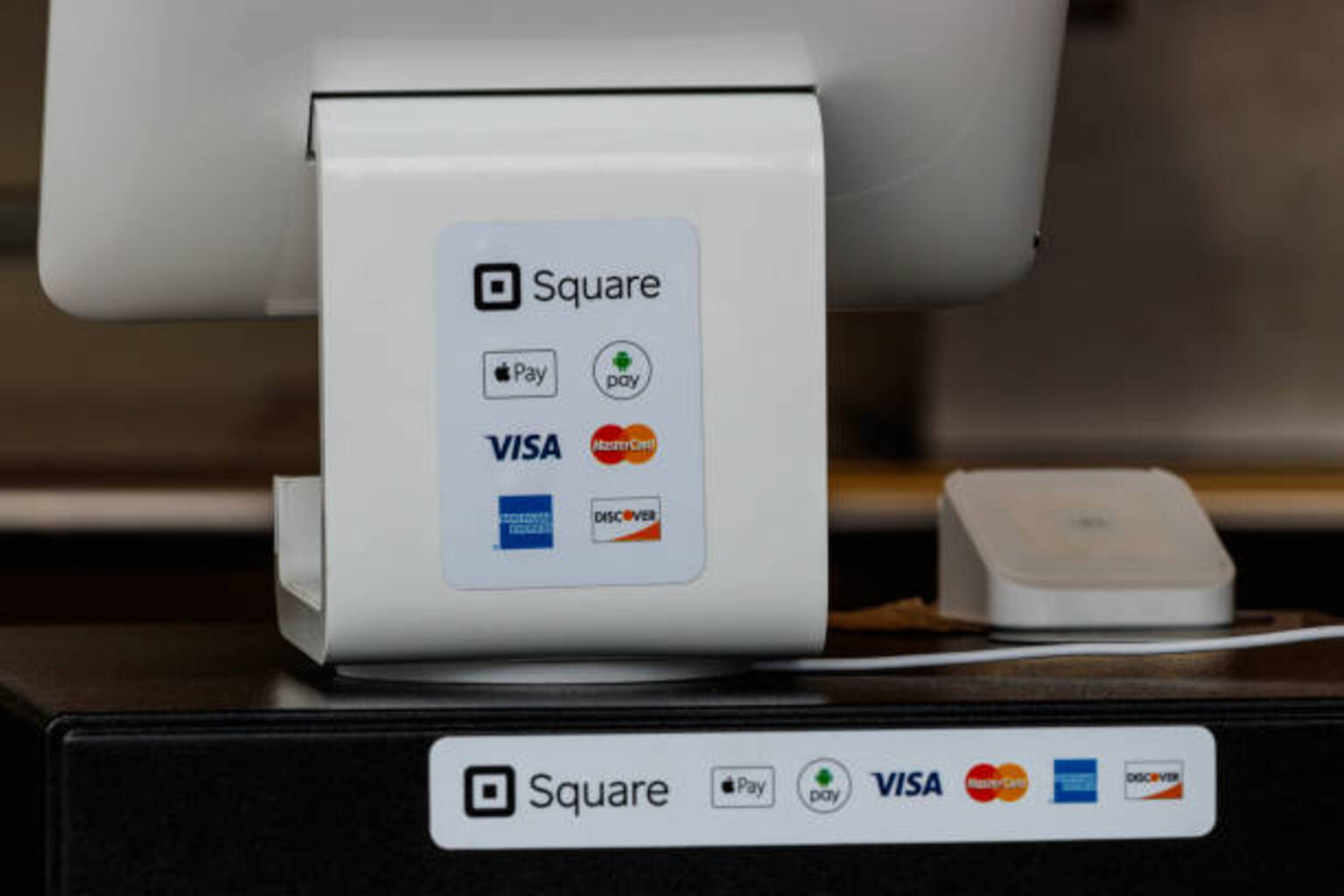
"Don't buy the excuse," warns Forbes contributor Ron Shevlin. "AI tools are impressive. But they're not—in 2026—capable of replacing 4,000 skilled fintech professionals." Shevlin suggests that pandemic overhiring and overly-ambitious AI claims may be playing a larger role than Dorsey admits. Between 2019 and 2025, Block's headcount grew 2.5x from about 4,000 employees to over 10,000—a expansion that now appears unsustainable.
Yet from an investment perspective, the numbers tell a compelling story: Block expects the restructuring to deliver greater efficiency and increased profitability due to reliance on AI, forecasting higher gross profit and operating income for 2026. The company raised its full-year guidance even as it cut nearly half its workforce, signaling confidence that AI tools can maintain—or even improve—productivity with far fewer employees.
Where Things Stand Now: Severance and Market Position
Block has implemented what many are calling a "golden parachute" severance package for affected employees. Those being laid off will receive 20 weeks of salary plus one additional week per year of tenure, equity vested through the end of May, six months of healthcare coverage, and $5,000 in transition support. The comprehensive package has been described as generous by industry standards, though it does little to cushion the blow for thousands of suddenly unemployed workers.
Financially, Block enters this new era with surprising strength. The company reported Q4 gross profit of $2.87 billion, representing 24% year-over-year growth. Despite the massive workforce reduction, Block raised its 2026 outlook, projecting continued growth through what Dorsey calls a "deliberate and bold embrace of AI." The market's response suggests investors believe the company can deliver on these projections with a significantly leaner operation.
What Happens Next: The Road Ahead for Fintech and AI
Dorsey's prediction that most companies will follow Block's lead within the year raises critical questions for investors. If this represents the beginning of a broader trend, which sectors will be most affected? Financial services, technology, and professional services appear most vulnerable to similar AI-driven restructuring.
For investors, the Block story presents both opportunity and caution. Companies that successfully implement AI-driven efficiency gains may see significant stock appreciation, as Block demonstrated. However, investors must distinguish between genuine technological transformation and companies using AI as justification for necessary but otherwise painful restructuring.
The fintech sector specifically faces a crossroads: embrace AI aggressively like Block or risk being left behind by more efficient competitors. Payment processors, digital banks, and financial technology providers will be watching Block's experiment closely, ready to adjust their own workforce strategies based on its success or failure.
The Bottom Line: Key Points for Investors
Block's dramatic workforce reduction represents a watershed moment in the AI investment thesis. The 25% stock surge demonstrates market appetite for aggressive efficiency measures. Dorsey's prediction of widespread imitation suggests this may be just the beginning of AI-driven corporate restructuring. While the human cost is significant, the financial markets are clearly signaling that AI efficiency gains represent a powerful investment theme for the coming years. Investors should monitor which companies follow Block's lead and how successfully they balance workforce reductions with maintained—or improved—operational performance.