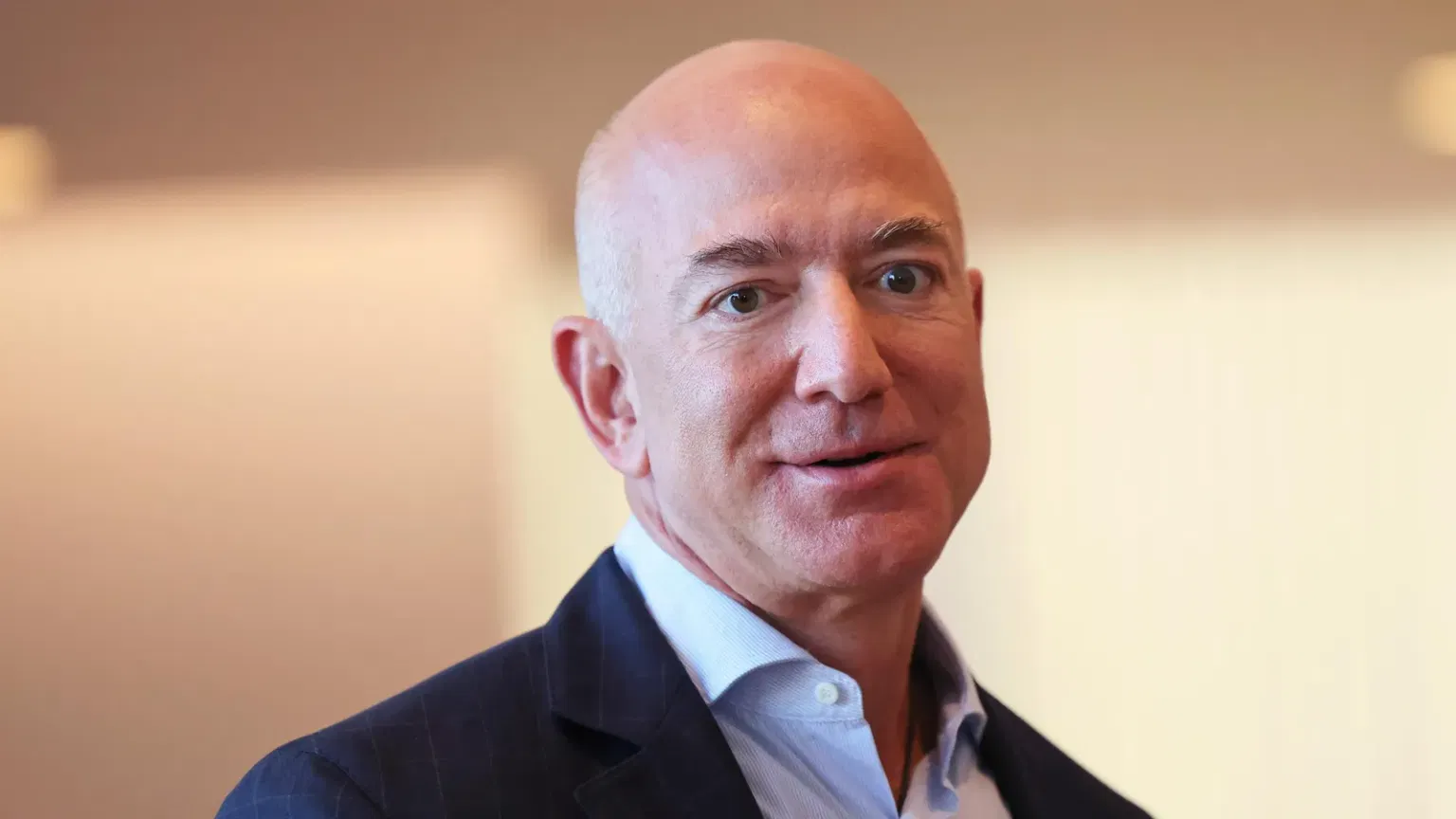
Amazon Executive Chairman Jeff Bezos sent shockwaves through the financial world on Wednesday when he called for eliminating federal income taxes entirely for the bottom half of American earners. In an exclusive interview with CNBC's Andrew Ross Sorkin on 'Squawk Box,' the world's fourth-richest person with a net worth exceeding $270 billion argued that lower-income workers should keep every dollar they earn.
'The top 1% of taxpayers pay about 40% of all the tax revenue, and the bottom half pay only 3%,' Bezos told Sorkin. 'I think it should be zero.' The Amazon founder made it clear he's not calling for a reduction but a complete elimination. 'I don't want to reduce it, I want to eliminate it. Zero is a better number than $1.'
How Bezos's Tax Vision Unfolded: The Full Squawk Box Interview
During the wide-ranging interview at Blue Origin's Rocket Park in Florida, Bezos laid out his tax philosophy with striking clarity. The bottom 50% of U.S. taxpayers had an average income of just $53,801 per year in 2023, according to Tax Foundation data. Bezos argued that eliminating their federal income tax burden could unleash a wave of entrepreneurship. 'The government can give people who are struggling today a better chance at entrepreneurial success by eliminating their tax bill,' Bezos said. 'Maybe they're going to be the next Steve Jobs.'
He directly addressed the wealth inequality debate, telling Sorkin: 'You could double the taxes I pay, and it's not going to help that teacher in Queens.' The comment drew a swift rebuke from New York Mayor Zohran Mamdani, who posted on social media: 'I know a few teachers in Queens who would beg to differ.'
Timeline: How the Tax Debate Reached This Moment
2017: The Tax Cuts and Jobs Act passes, significantly reducing corporate tax rates and reshaping the tax landscape. Amazon's tax bill would later shrink dramatically under these provisions.
2024: Amazon paid an estimated $9 billion in taxes. Bezos himself paid $2.7 billion in personal taxes according to public records.
2025: Amazon's tax bill dropped to just $1.2 billion thanks to accelerated depreciation and other provisions, drawing scrutiny. ITEP reported Amazon received $17.5 billion in tax subsidies while paying just 1.4% of its U.S. income in federal corporate taxes.
March 2026: Sen. Elizabeth Warren reintroduces the Ultra-Millionaire Tax Act, proposing a 2% annual tax on households worth more than $50 million and an additional 1% on billionaires. The bill includes a 40% 'exit tax' on those renouncing citizenship.
April 2026: California proponents obtain enough signatures for a November ballot measure that would impose a one-time 5% tax on billionaires. New York Mayor Mamdani posts a viral video declaring 'We're taxing the rich.'
May 20, 2026: Bezos sits down with CNBC in Florida, proposing zero tax for the bottom half and dismissing wealth taxes as ineffective. He also denies the 'buy, borrow, die' strategy is real, calling it a 'myth.'
Why Bezos's Tax Stance Matters for Investors and Financial Planning
Bezos's proposal arrives at a critical juncture for financial markets and investment strategy. The debate has significant implications across multiple asset classes. If the bottom 50% of earners see their tax burden eliminated, it could boost consumer spending power substantially, potentially benefiting consumer discretionary stocks and retail sectors. 'Tax policy directly impacts corporate earnings, consumer spending, and ultimately market valuations,' noted financial analysts covering the story.
The counterproposals from lawmakers are equally significant for high-net-worth investors. Sen. Warren's Ultra-Millionaire Tax Act would directly impact individuals with net worths above $50 million, potentially triggering asset relocation strategies. The California billionaire tax, if passed in November, could reshape the investment landscape for wealthy individuals and institutions in the state. 'We're seeing a bifurcation in tax policy proposals,' said InvestmentNews in their coverage. 'One side wants to eliminate taxes for lower earners, the other wants to dramatically increase them on the wealthy.'
Bezos also addressed the controversial 'buy, borrow, die' tax strategy during the interview, dismissing it as inaccurate. The strategy involves wealthy individuals borrowing against assets rather than selling them, avoiding capital gains taxes until death when stepped-up basis eliminates them. 'There's no truth to this buy, borrow, die thing,' Bezos insisted, though critics point to his own tax records showing years where he reported little to no income despite massive wealth accumulation.
Where Things Stand Now: Latest on Bezos's Tax Proposal
Bezos confirmed he plans to take his tax reform ideas directly to President Trump. 'I will be advocating for this with President Trump,' Bezos told CNBC. The Amazon founder also announced he intends to give away the majority of his wealth during his lifetime, though he did not provide specific timetables or charitable vehicles.
Meanwhile, Sen. Cory Booker has proposed the Keep Your Pay Act, which would eliminate taxes on the first $75,000 of income for joint filers — a more moderate version of the concept Bezos is advocating. The Republican-controlled Congress is also working on a 'big, beautiful' tax and spending bill that critics say predominantly benefits wealthier households.
What Happens Next: The Road Ahead for Tax Reform
With Bezos pledging to lobby Trump directly, several scenarios could unfold. If the president embraces the idea, it could gain significant traction in Republican tax negotiations. However, the simultaneous push for wealth taxes from Democratic lawmakers creates a deeply polarized environment. For investors, the key watchpoints include the November California ballot measure, progress on Warren's wealth tax bill, and any signals from the Trump administration on whether Bezos's zero-tax vision could become part of the GOP tax agenda.
The Bottom Line: Key Points to Remember
- Bezos wants the bottom 50% of earners to pay zero federal income tax — they currently pay about 3% of total revenue
- The top 1% currently shoulder 40% of all federal income taxes collected
- Bezos argues taxing the wealthy more won't solve economic struggles for average Americans
- Sen. Warren's Ultra-Millionaire Tax Act and California's billionaire tax represent the opposing policy direction
- Bezos plans to discuss his proposals with President Trump directly
- The outcome of this tax debate could significantly impact consumer spending, investment strategy, and market sectors