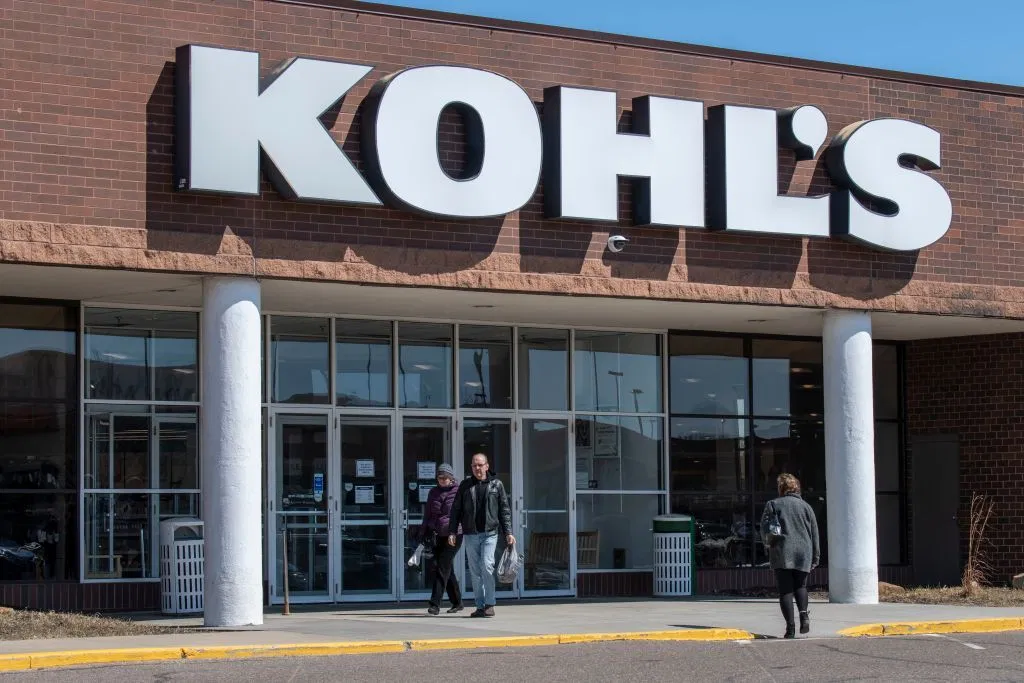
The retail landscape is shifting once again as Kohl's announces the closure of 27 underperforming stores across 15 states by April 2025, a move that sent shockwaves through the investment community. With sales declining 7.2% in 2024 and fourth-quarter results plummeting 9.4%, the department store chain's restructuring efforts represent a critical case study in retail adaptation—and a potential opportunity for astute investors watching the sector's evolution.
How Kohl's Restructuring Unfolded: Inside the Store Closure Strategy
Kohl's strategic realignment began with the January 2025 announcement that 27 locations would shutter by April, affecting stores in states including Alabama, Arkansas, California, Florida, Georgia, and others. The closures represent approximately 2% of Kohl's total footprint, reducing the chain to about 1,123 locations nationwide. Simultaneously, the company disclosed plans to close its San Bernardino e-commerce fulfillment center in May 2025 when the lease expires, signaling a comprehensive reassessment of both physical and digital operations.
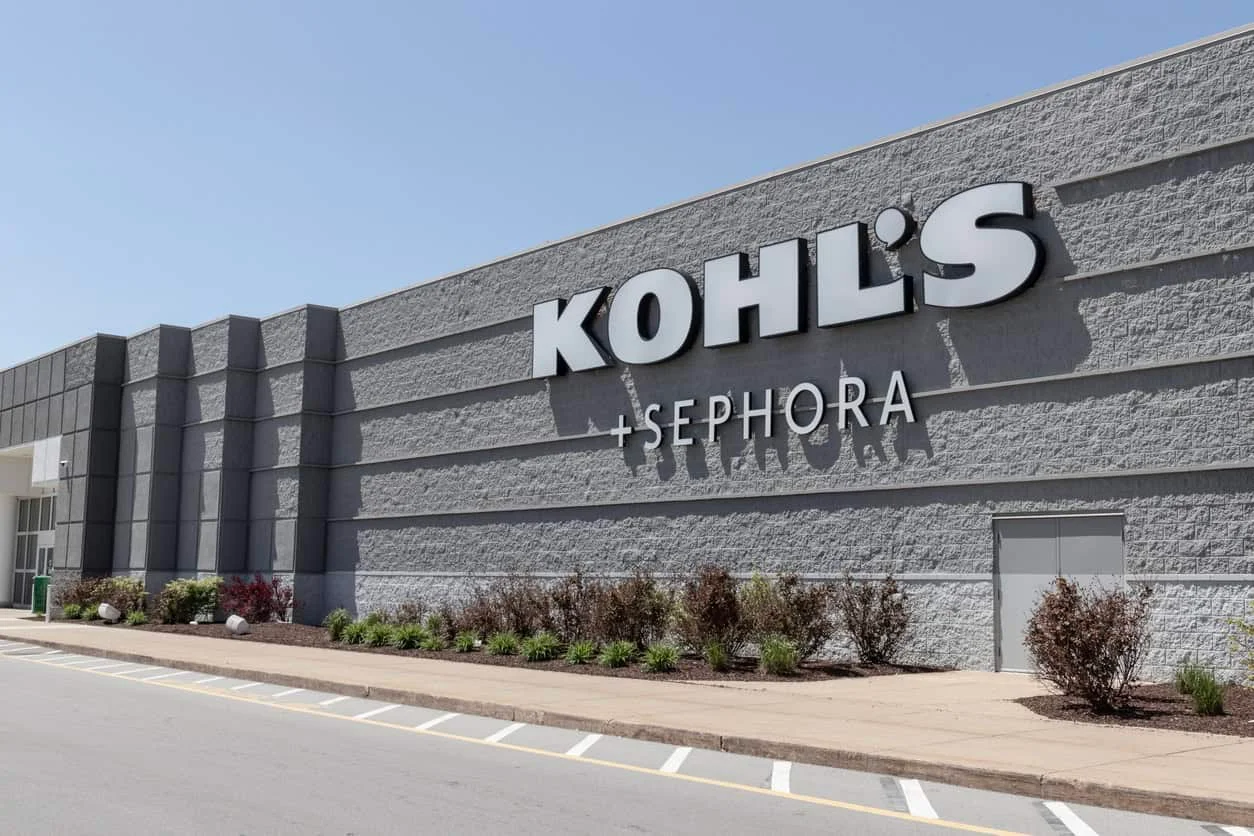
The financial rationale became starkly clear when Kohl's reported fourth-quarter 2024 results: net sales decreased 9.4% year-over-year, with comparable sales down 6.7%. For the full fiscal year 2024, net sales fell 7.2% with comparable sales declining 6.5%. This performance deterioration followed a 10% reduction in Kohl's corporate workforce announced in January 2025, creating a perfect storm of operational challenges that demanded immediate strategic response.
Timeline: How Kohl's Challenges Developed Over 18 Months
The road to Kohl's current restructuring began in late 2024 when declining sales first triggered investor concern. January 2025 brought the dual announcements of corporate workforce reductions and the planned store closures. By March 2025, the full extent of the financial damage became public with the release of disappointing 2024 results. April 2025 marked the actual closure date for the 27 targeted locations, while May 2025 will see the shuttering of the San Bernardino fulfillment center.
Throughout this period, Kohl's stock (KSS) experienced significant volatility. Shares tumbled 25% in March 2025 after the company issued weak sales and profit projections for fiscal 2025, falling short of analyst expectations. However, the stock demonstrated remarkable resilience at other points, briefly doubling in value during 2025 after being caught in meme-stock trading frenzies, before settling into a pattern reflective of the company's fundamental challenges.
Why Kohl's Restructuring Matters: Expert Analysis and Sector Impact
Retail analysts view Kohl's store closures as emblematic of broader sector trends. "Kohl's is facing the same headwinds affecting many traditional department stores," explains retail sector analyst Maria Chen. "The shift toward online shopping, changing consumer preferences, and increased competition from both discount retailers and luxury brands have created a perfect storm."
From an investment perspective, Kohl's situation offers several critical lessons. First, the company's decision to close underperforming locations rather than pursue widespread reductions suggests a targeted approach to portfolio optimization. Second, the simultaneous fulfillment center closure indicates a reassessment of omnichannel strategy beyond just physical footprint. Third, the stock's volatility highlights how traditional retailers can become caught between value investment theses and speculative trading patterns.
Financial advisors are watching how Kohl's restructuring affects its balance sheet. The store closures are expected to generate approximately $55 million in annual savings, providing crucial financial flexibility. However, the company must balance these savings against potential revenue loss from reduced physical presence and the costs associated with lease terminations and employee severance.
Where Things Stand Now: Latest on Kohl's Turnaround Efforts
In a significant development, Kohl's CEO Michael Bender recently announced that the company has no plans for additional store closures in 2026. "Our focus now is on optimizing our existing portfolio rather than further reducing our footprint," Bender stated in March 2026 remarks. This declaration came despite continuing sales challenges, with fourth-quarter 2025 net sales falling 3.9% and comparable sales dropping 2.8%.
The current strategy emphasizes several key elements: refreshing product assortments, particularly in women's apparel and jewelry; enhancing the in-store experience; and strengthening digital capabilities. Bender has referred to the recent closures as "a necessary pruning" that positions the company for healthier growth from its remaining locations. Investors have responded cautiously to this mixed picture—while reassured by the halt in closures, they remain concerned about persistent sales declines.
What Happens Next: The Road Ahead for Kohl's and Retail Investors
The next 12-18 months will prove critical for Kohl's turnaround narrative. The company must demonstrate that its store optimization strategy can stabilize sales while improving profitability. Key metrics to watch include comparable store sales trends, gross margin expansion, and inventory management efficiency. Successful execution could position Kohl's as a case study in retail adaptation; failure could trigger more drastic measures.
For investors, Kohl's presents both risk and opportunity. The stock's current valuation reflects significant pessimism about traditional retail's prospects, potentially creating a value opportunity if the turnaround gains traction. However, the sector's structural challenges suggest caution. Diversified exposure through retail sector ETFs might offer a more balanced approach than direct stock ownership, allowing investors to benefit from sector recovery while mitigating company-specific risks.
The Bottom Line: Key Investment Takeaways
Kohl's store closures represent more than just another retail contraction—they illustrate the difficult choices facing traditional retailers in a rapidly evolving marketplace. For investors, several key points emerge: First, targeted store closures can be a positive sign of disciplined portfolio management rather than mere distress. Second, stock volatility in restructuring situations requires strong risk tolerance. Third, the retail sector's transformation continues to create both casualties and opportunities. As Kohl's navigates its challenging turnaround, its journey will offer valuable insights into retail's future—and the investment implications that accompany it.