Meta Platforms, the social media giant behind Facebook, Instagram, and WhatsApp, is preparing for its most significant workforce reduction in company history, with plans to lay off 20% or more of its employees as mounting artificial intelligence costs threaten profitability. The news, first reported by Reuters, sent Meta's stock (NASDAQ: META) climbing 2-3% in premarket trading as investors signaled approval of cost-cutting measures that could generate billions in annual savings.
How the Layoff Story Unfolded: Inside Meta's AI Cost Crisis
According to exclusive reporting from Reuters, Meta is planning sweeping layoffs that could affect 20% or more of the company's workforce. Three sources familiar with the matter revealed that the social media giant is considering cutting approximately 15,800 jobs based on its current employee count of nearly 79,000. The primary driver behind these drastic measures is Meta's massive investment in artificial intelligence infrastructure, which has created unprecedented cost pressures even as the company races to compete with rivals like Google and Microsoft in the AI space.
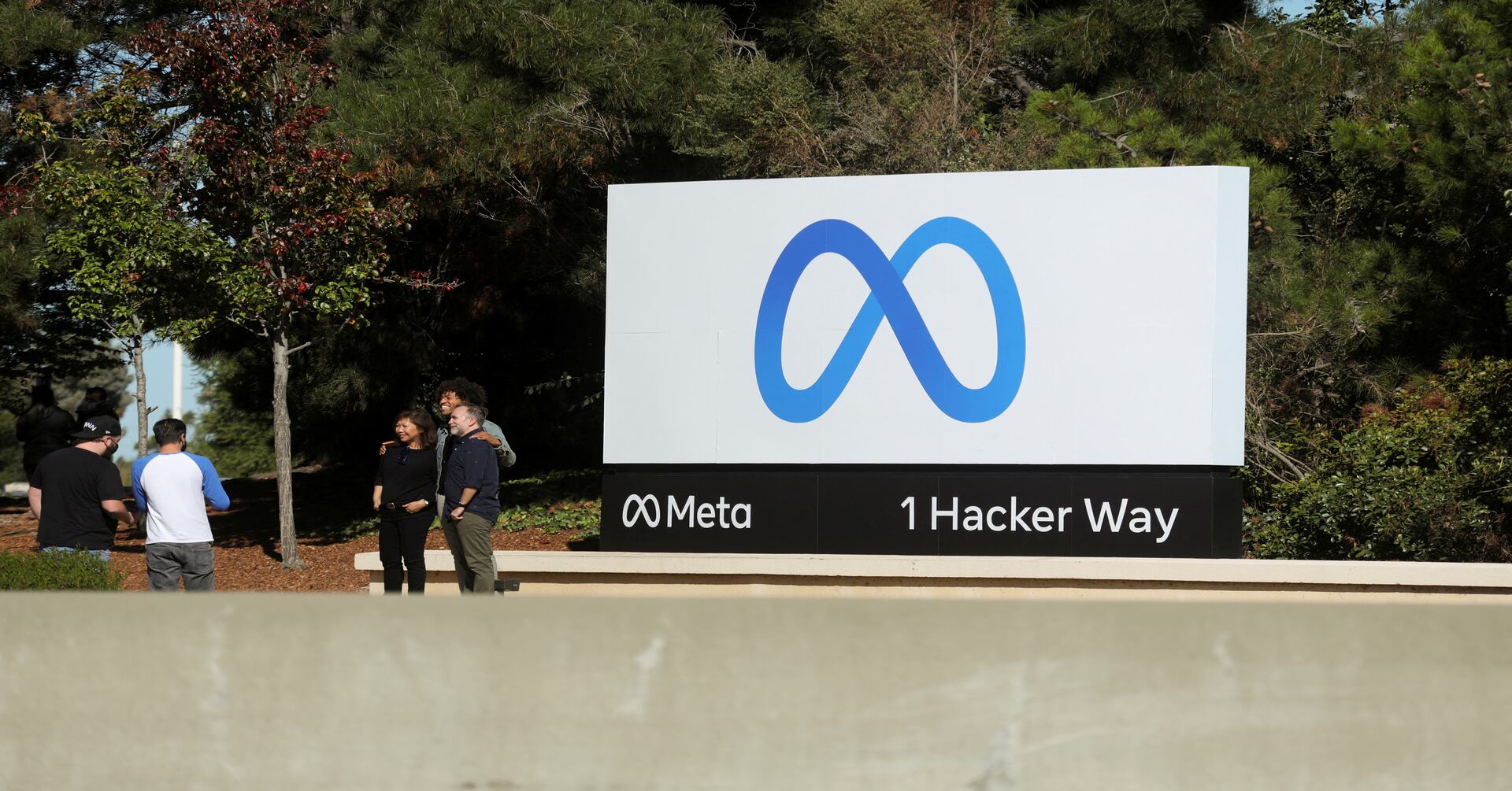
CNBC reported that Meta's stock climbed following the Reuters report, with shares rising approximately 3% as investors reacted positively to the potential for improved efficiency. This market response highlights a recurring pattern in technology investing: while layoffs represent human tragedy for affected employees, Wall Street often interprets workforce reductions as positive signals for future profitability and disciplined capital allocation.
Timeline: From "Year of Efficiency" to AI-Driven Restructuring
Meta's current layoff plans represent the latest chapter in a multi-year efficiency campaign that began in late 2022. The company previously executed what CEO Mark Zuckerberg termed the "Year of Efficiency," which involved two major rounds of layoffs in November 2022 and May 2023 that eliminated approximately 21,000 positions. Those cuts came as Meta faced declining digital advertising revenue and increased competitive pressure from TikTok.
The current restructuring differs fundamentally in its motivation. While the 2022-2023 layoffs responded to revenue challenges, the new cuts are proactively aimed at funding Meta's enormous AI ambitions. According to Seeking Alpha analysis, Meta's AI spending could reach $600 billion through 2030, creating pressure to find cost savings elsewhere in the organization. If implemented at the 20% level, these cuts would bring Meta's headcount to around 63,000—the company's lowest level since 2021.
Why These Layoffs Matter: Investor Implications and Market Signals
The market's immediate positive reaction to Meta's layoff news reveals important insights about current investor psychology. In an environment where technology stocks are judged increasingly on profitability metrics rather than growth-at-all-costs, workforce reductions are interpreted as prudent financial management. Investing.com analysts estimate that a 20% reduction in Meta's workforce could generate $7-8 billion in annual savings, significantly improving the company's operating margins.
However, the situation presents a complex investment thesis. Forbes contributor Peter Cohan notes that Meta's stock has declined 23% recently as the company's proprietary AI models have consistently underperformed, leading to product delays like the much-anticipated "Avocado" project. This creates a tension for investors: while cost-cutting may boost short-term earnings, long-term success depends on Meta's ability to deliver competitive AI products that can generate new revenue streams.
From a sector perspective, Meta's move could signal a broader trend in technology. As AI infrastructure costs soar across the industry, other major players may follow suit with similar efficiency measures. Investors should monitor whether companies like Alphabet, Microsoft, and Amazon announce comparable workforce adjustments as they balance massive AI investments with profitability expectations.
Latest Developments: Where the Meta Layoff Story Stands Today
As of Monday morning trading, Meta's stock remains volatile but generally positive following the layoff reports. The company has officially characterized the Reuters report as "speculative" but hasn't denied the substance of the story—a pattern that typically precedes official announcements. Financial analysts are divided on the long-term implications, with some praising the cost discipline and others warning that excessive cuts could hamper innovation.
Notably, Meta Ireland has already commented on the situation, stating that reports of job cuts are "speculative" but acknowledging the company's previous reductions of approximately 840 positions in Ireland during 2022-2023. This careful language suggests that official announcements may be forthcoming, potentially timed with quarterly earnings reports to provide full context about the company's strategic direction.
The current stock price action—with Meta trading around $628-$632 range—reflects cautious optimism tempered by concerns about execution risk. Investors are weighing the potential for improved margins against the possibility that aggressive cuts might damage employee morale, slow product development, and ultimately hinder Meta's ability to compete in the rapidly evolving AI landscape.
What Happens Next: The Road Ahead for Meta and Its Investors
Looking forward, investors should monitor several key developments. First, watch for official confirmation from Meta regarding the scale and timing of layoffs, which will likely come during the company's next earnings call or through a formal announcement. Second, track whether these cost savings are reinvested in AI initiatives or returned to shareholders through dividends and buybacks—a distinction that will significantly impact long-term valuation.
Third, evaluate Meta's AI product pipeline for signs of progress or continued delays. The success of initiatives like the Llama large language model, AI-powered advertising tools, and metaverse applications will ultimately determine whether the company's massive investments pay off. Finally, consider the broader market implications: if Meta's layoffs successfully boost its stock price, pressure may increase on other technology companies to pursue similar efficiency measures, potentially creating a sector-wide trend.
For individual investors, the situation presents both opportunity and risk. The potential for improved margins could make Meta stock attractive for value-oriented investors, while the AI investment story maintains appeal for growth-focused portfolios. However, the human cost of layoffs and potential innovation slowdown create ethical and practical considerations that extend beyond pure financial analysis.
The Bottom Line: Key Investment Takeaways
Meta's planned layoffs represent a pivotal moment for the company and technology investors. The 20% workforce reduction signals a strategic shift from growth-at-all-costs to disciplined efficiency, with AI investments taking priority over human capital expansion. While the immediate market reaction has been positive, long-term success depends on Meta's ability to translate cost savings into AI breakthroughs that drive future revenue.
Investors should approach Meta stock with balanced perspective: acknowledge the potential for improved profitability while remaining cautious about execution risks and competitive pressures. The coming quarters will reveal whether these drastic measures position Meta for AI leadership or merely delay more fundamental challenges. As always in technology investing, the companies that balance efficiency with innovation will ultimately create the most sustainable shareholder value.