
The oil futures market is entering 2025 at a critical juncture, with conflicting forces of growing global demand, geopolitical tensions, and the ongoing energy transition creating unprecedented volatility. As traders and investors position themselves for the year ahead, key developments from December 2024 have set the stage for what analysts predict could be one of the most dynamic periods in recent crude oil history. With West Texas Intermediate (WTI) futures showing unexpected strength heading into the new year and major institutions adjusting their forecasts, understanding the complex landscape of oil futures has never been more important for serious investors.

How Oil Markets Defied Expectations in Late 2024
Despite ending 2024 with a 3% annual loss—marking the second consecutive year of declines—crude oil futures showed surprising resilience in the final weeks of the year. On December 24, 2024, oil prices rose 1% in thin pre-holiday trading, with Brent crude futures settling at $73.58 per barrel and West Texas Intermediate (WTI) reaching $70.10. This late-year strength contradicted earlier bearish predictions and set the stage for a more optimistic start to 2025. According to Kevin Stecyk, a commodity analyst featured on Seeking Alpha, "WTI prices were in the high $60s or low $70s for December 2024, but I've raised my expectations for January 2025 by $2.50 per barrel to $67.50-77.50." This upward revision reflects growing confidence among traders that the worst of the 2024 downturn may be over.
Timeline: The Road to Current Oil Futures Prices
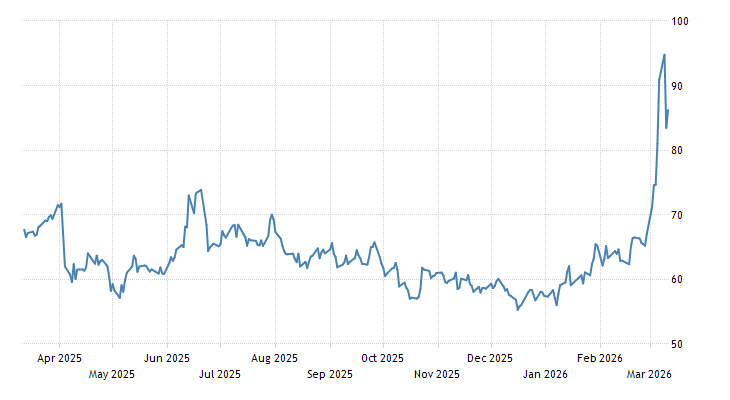
The path to today's oil futures landscape has been marked by several key milestones over the past year. In early 2024, prices struggled under the weight of concerns about Chinese demand and global economic slowdowns. By mid-year, the International Energy Agency (IEA) was forecasting a global supply surplus of approximately 2.3 million barrels per day. December brought unexpected developments: OPEC chose to maintain its production forecasts despite significant supply outages in conflict zones, demonstrating the cartel's confidence in market stability. Then, in the final trading days of 2024, technical analysis revealed that WTI oil futures had established a solid base around $66.70—a level that successfully halted selling pressure and now serves as critical support for the 2025 outlook.
Why Oil Futures Matter: Expert Analysis and Market Impact
The significance of current oil futures prices extends far beyond simple commodity trading. According to the IEA's December 2024 Oil Market Report, world oil demand growth is set to accelerate from 840,000 barrels per day in 2024 to 1.1 million barrels per day in 2025, lifting total consumption to 103.9 million barrels per day. This demand increase comes despite the ongoing energy transition, creating what Raymond James analysts describe as "structural supply stress" that could support prices throughout 2025. The firm forecasts WTI crude to average $70 per barrel through 2025, slightly above current futures prices. Meanwhile, geopolitical factors continue to play an outsized role: Argus Media reports that supply fears have driven huge price swings, with crude futures surging to near $120 per barrel before falling back to around $90 in recent sessions.
Where Things Stand Now: Latest Developments in Oil Futures
As of early 2025, the oil futures market presents a complex picture of competing influences. On the bullish side, technical analysts note that WTI futures have broken above key resistance levels and are "poised for a new bullish cycle," with confirmation likely coming above the $71.90-$72.50 range. Fundamental factors also support higher prices: OPEC's disciplined production approach has prevented inventory builds despite supply outages, while geopolitical tensions in the Middle East continue to threaten major shipping routes. However, bearish concerns persist, particularly regarding China's economic recovery and the pace of electric vehicle adoption in key markets. The current consensus among leading financial institutions suggests Brent prices will average between $63 and $68.50 per barrel in 2025, with potential declines into the $50s if demand disappoints.
What Happens Next: The Road Ahead for Oil Futures
Looking forward, several key factors will determine the trajectory of oil futures throughout 2025. First, the tension between growing global demand (particularly from developing economies) and accelerating energy transition efforts will create persistent volatility. Second, OPEC+ production decisions in the coming months will either support prices or trigger another downturn if member compliance wanes. Third, geopolitical developments—especially in the Persian Gulf—could instantly reshape market dynamics. For investors, this environment suggests several strategic approaches: dollar-cost averaging into energy ETFs during price dips, focusing on companies with strong balance sheets that can weather volatility, and considering options strategies to hedge against extreme price moves. As JP Morgan maintains its forecast for oil prices to stay in the low-to-mid $60s through 2025, the balance of risks appears tilted toward moderate appreciation from current levels.
The Bottom Line: Key Points for Oil Futures Investors
For investors navigating the complex world of oil futures, several essential takeaways emerge from current market analysis. First, the 2024 downturn appears to have established a solid foundation around $66.70 WTI, providing technical support for 2025. Second, demand growth continues to surprise to the upside, with the IEA projecting acceleration to 1.1 million barrels per day. Third, OPEC discipline remains a crucial price-support mechanism despite geopolitical challenges. Fourth, the energy transition creates both risks and opportunities—traditional oil investments must be balanced against emerging clean energy alternatives. Finally, successful navigation of this market requires attention to both technical patterns and fundamental supply-demand dynamics, with particular focus on inventory data, production announcements, and geopolitical developments that can swiftly alter the investment landscape.