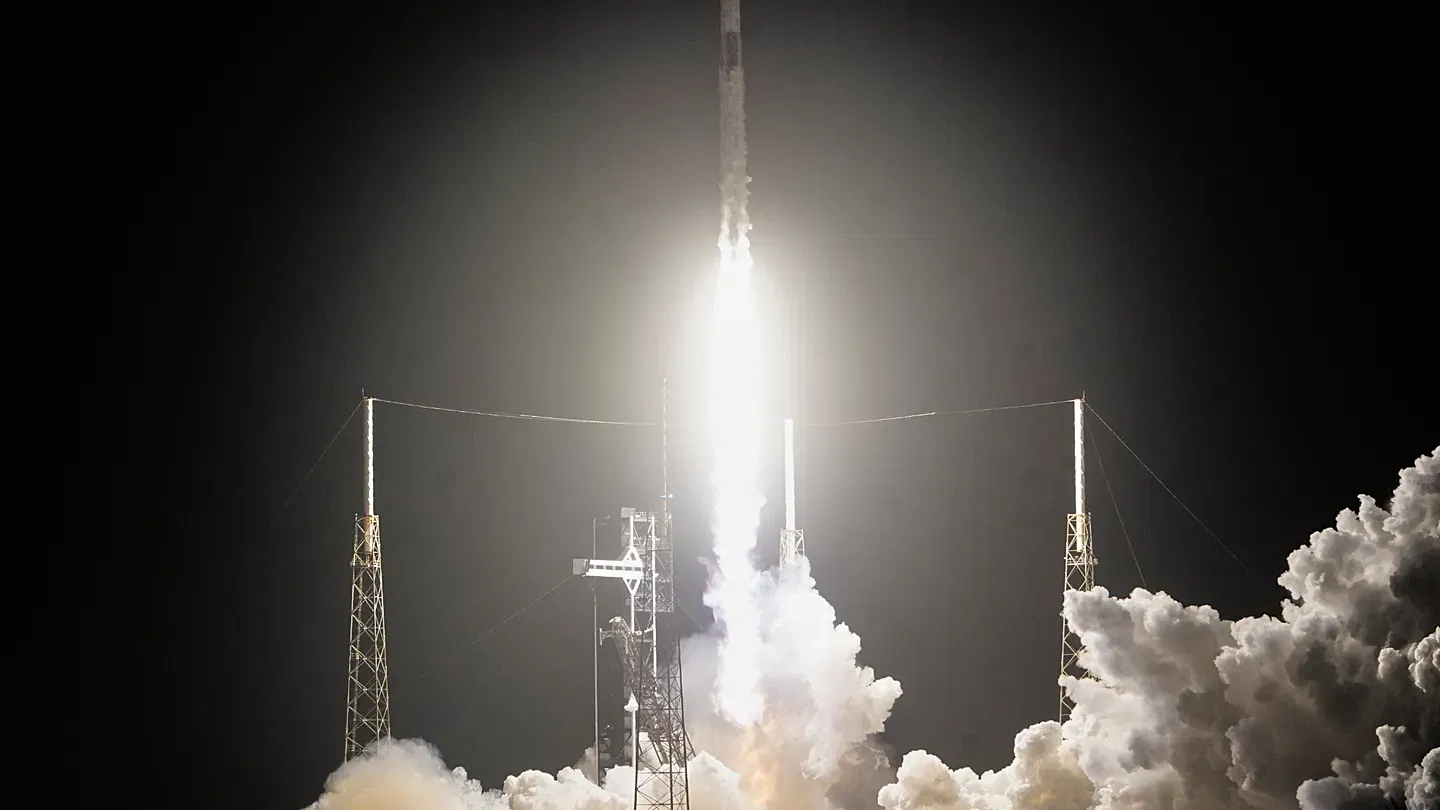
Elon Musk is poised to rewrite the Wall Street playbook with SpaceX's historic initial public offering, planning to allocate an unprecedented 30% of shares to retail investors in a $75 billion blockbuster debut that could value the space company at up to $1.75 trillion. As the most anticipated IPO of 2026 edges closer with a confidential filing expected any day, the offering promises to be not only the largest public listing ever but also a critical test of market sentiment toward high‑flying tech and AI stocks.
How Elon Musk Plans to Revolutionize IPO Investing
In a move that upends decades of Wall Street tradition, Elon Musk is preparing to reserve as much as 30% of SpaceX's IPO shares for individual investors—at least three times the typical 5‑10% allocation seen in major offerings. According to sources cited by Reuters and confirmed by multiple financial outlets, Musk wants to encourage longer‑term ownership by everyday investors rather than the quick institutional sell‑offs that often follow hot IPOs.
The unconventional approach extends to the underwriting process itself. Instead of pitting banks against each other for the entire deal, Musk has handpicked specific institutions for narrowly defined roles based on their existing relationships and regional strengths. Bank of America will focus on domestic retail distribution, targeting high‑net‑worth clients and family offices in the U.S. Morgan Stanley is slated to handle smaller retail orders through its E*Trade service, while UBS will court international high‑net‑worth buyers and Citi will coordinate overseas retail and institutional sales with partner banks in Canada, Europe, and Asia.
Timeline: From Confidential Filing to Mid‑June Market Debut
SpaceX's journey to the public markets is moving rapidly. According to the Wall Street Journal, the company is expected to confidentially file its IPO paperwork with the Securities and Exchange Commission "in coming days." That confidential filing triggers an approximately eight‑week clock before the public filing, which would land in late May or early June. If that timeline holds, SpaceX's stock would begin trading in mid‑June—just ahead of Elon Musk's birthday on June 28.
The $75 billion raise would nearly triple the previous record set by Saudi Aramco's $29.4 billion listing in 2019, instantly propelling SpaceX into the ranks of the world's ten most valuable public companies. The targeted valuation of $1.5‑1.75 trillion would place SpaceX just ahead of Tesla, Musk's electric‑vehicle maker, and within striking distance of tech giants like Amazon and Microsoft.
Why SpaceX's Valuation Is More Than Just Rockets and Satellites
Behind the staggering numbers lies a strategic narrative that Musk has carefully constructed. In February 2026, SpaceX merged with xAI, another Musk‑owned company, in an all‑stock transaction that valued the combined entity at $1.25 trillion. "The recent xAI fold‑in allows him to bundle launch, Starlink, and AI into a single, scarce mega story that can support a richer valuation than the businesses might achieve separately," explains Minmo Gahng, assistant professor of finance at Cornell University.
Gahng notes that Musk has long relied on equity to compensate SpaceX's 14,000‑plus employees, but the company's tight restrictions on share sales have created mounting pressure for broader liquidity. "A likely dual‑class share structure would let Musk tap public capital while retaining firm control," he adds, addressing one of the key concerns for potential investors.
The IPO arrives at a delicate moment for tech valuations. Russ Mould, investment director at AJ Bell, observes that share prices of the "Magnificent Seven" and other AI‑focused companies have lagged the S&P 500 this year. "The putative stock market flotation for SpaceX should therefore be an interesting test of market sentiment," Mould wrote in a recent note. He also highlighted Warren Buffett's caution that bull markets often end when "the idiots" pile in after the innovators and imitators.
Where Things Stand Now: The Latest Developments
As of late March 2026, SpaceX has entered what insiders describe as a "quiet period" ahead of the confidential SEC filing. Investment banks have been briefed on their specific roles, and preliminary discussions with institutional investors have begun. Meanwhile, the mere speculation of a SpaceX IPO has already sent publicly traded space stocks soaring, with companies like AST SpaceMobile and Rocket Lab recording double‑digit gains in recent sessions.
Dan Coatsworth, head of markets at AJ Bell, captured the market's anticipation vividly: "Just as people in the control room hold their breath in the final moments before the launch of a rocket into space, investors are eagerly counting down the days to the likely take‑off date for SpaceX's IPO." Coatsworth added that demand could be enormous given Musk's fan base and that expectations are "sky high" for the shares to deliver Nvidia‑style gains.
What Happens Next: The Road Ahead for Investors
For retail investors hoping to secure shares, the next steps are critical. Once the confidential filing is made, a waiting period of roughly eight weeks begins before the public prospectus is released. That document will detail the exact number of shares offered, the price range, and the precise allocation between institutional and retail investors. Given Musk's stated goal of 30% retail participation, individual investors may have a better chance than in typical mega‑IPOs, but demand is expected to vastly exceed supply.
Analysts will be watching several key indicators: the final valuation, the proportion of shares reserved for retail, the strength of institutional book‑building, and the broader market conditions in June. A successful debut could reignite enthusiasm for space‑related equities and provide a liquidity event for SpaceX employees and early investors. A stumble, however, could signal that even Musk's star power has limits in a market grown wary of sky‑high valuations.
The Bottom Line: Key Points to Remember
SpaceX's IPO represents a watershed moment for both the space industry and public markets. With a planned $75 billion raise and a valuation approaching $2 trillion, it would instantly become one of the world's most valuable companies. Musk's unprecedented 30% retail allocation could democratize access to one of the most sought‑after listings in history, while the tailored underwriting approach challenges Wall Street's traditional IPO machinery. As the countdown to mid‑June continues, investors should watch for the confidential filing, monitor space‑stock momentum, and prepare for what could be the defining financial event of 2026.