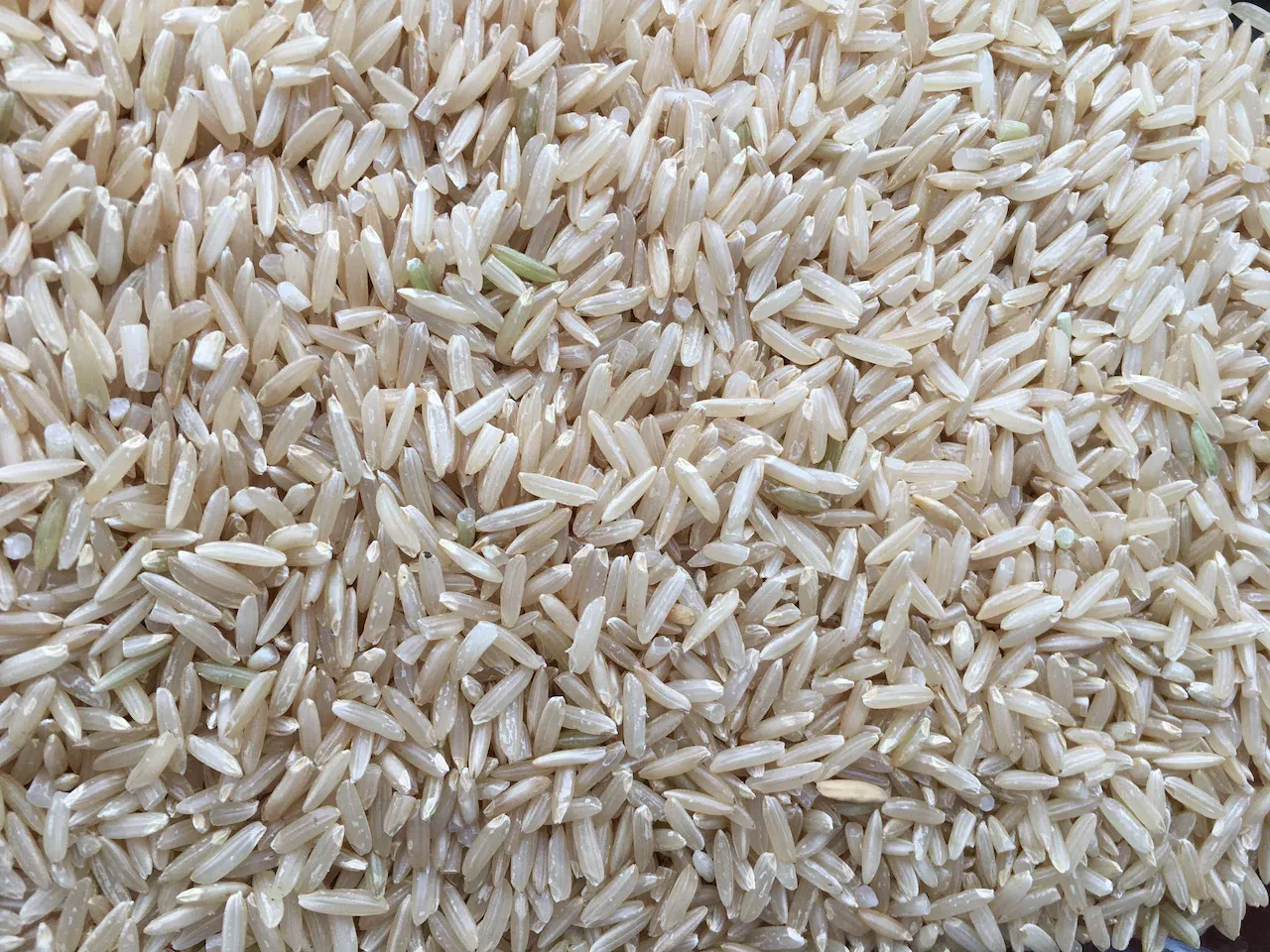
A nationwide recall of Lundberg Organic Jasmine White Rice has sparked concerns among consumers and investors alike. Wegmans, the popular grocery chain, announced the voluntary recall on April 4, 2026, affecting 2-pound bags sold across major retailers including Target and Walmart. The recall, prompted by possible foreign material contamination, highlights the broader financial risks that product recalls pose to companies and their shareholders. With product recalls surging to record levels in recent years, understanding how these events impact stock prices and corporate valuations has become essential for any serious investor.
How the Lundberg Rice Recall Unfolded: Inside the Wegmans Safety Alert
The recall affects specific 2-pound bags of Lundberg Organic Jasmine White Rice with lot codes tied to February 2027 best-by dates. According to Wegmans' announcement, the rice may contain unspecified foreign material, though the company hasn't disclosed the exact nature of the contamination. Lundberg Family Farms, the producer, confirmed it initiated a voluntary Class II recall covering approximately 4,500 cases of the product. A Class II recall indicates a situation where use of the product may cause temporary or medically reversible adverse health consequences, but the probability of serious harm is remote.
The affected products were distributed nationwide through Wegmans stores as well as other major retailers including Target and Walmart. Consumers who purchased the rice can return it to any Wegmans store for a full refund, regardless of whether they have a receipt. While no illnesses have been reported in connection with the recall, the precautionary measure demonstrates how quickly contamination concerns can trigger widespread product withdrawals across multiple retail channels.
Timeline: The Wegmans Rice Recall from Discovery to Announcement
The sequence of events leading to the recall began in early April 2026 when quality control personnel at Lundberg Family Farms identified potential foreign material contamination during routine inspections. By April 4, Wegmans had issued its official recall notice, alerting customers through press releases and in-store signage. Within 24 hours, major news outlets across the country were reporting the story, prompting swift action from other retailers carrying the same product.
On April 8, Syracuse.com published detailed coverage including specific lot codes and refund procedures. By April 11, financial analysis outlets like AInvest and Bitget were examining the potential investment implications of the recall. This rapid progression from quality control discovery to widespread media coverage and financial analysis demonstrates how modern supply chain transparency and regulatory requirements have accelerated the recall process, leaving companies less time to manage both consumer and investor reactions.
Why Product Recalls Matter: Expert Analysis of Stock Price Impact
Research from Investopedia and other financial analysts consistently shows that product recalls typically trigger immediate stock price declines ranging from 2% to 10%, depending on the severity and scope of the recall. The financial impact extends beyond direct recall costs, which can reach $10-100 million per major recall event. Companies also face reputational damage, potential litigation expenses, and increased regulatory scrutiny that can depress valuations for months or even years.
"When a company announces a product recall, it typically incurs a market penalty in the form of a decline in its stock price," notes financial research published in academic journals. The Lundberg recall represents a particularly interesting case study because it involves multiple companies in the supply chain - from the producer (Lundberg Family Farms) to the retailer (Wegmans) and other distributors. This creates complex questions about where financial responsibility lies and how the market will allocate the expected costs among the involved parties.
According to MotleyRice's analysis of product recalls and shareholder wealth, recalls frequently diminish investor holdings through both direct financial impacts and reduced future earnings potential. The firm's research indicates that companies with strong quality control systems and transparent communication strategies typically experience smaller stock price declines and faster recoveries than those with poor crisis management protocols.
Where Things Stand Now: Latest on the Lundberg Rice Recall
As of mid-April 2026, the recall remains active with Wegmans continuing to accept returns of the affected rice products. Lundberg Family Farms has implemented enhanced quality control measures at its processing facilities and increased inspection frequency for all product lines. Financial analysts are closely monitoring both companies for any signs of broader supply chain issues or additional recalls that might indicate systemic quality control problems.
The immediate financial impact appears contained due to the relatively limited scope of the recall - approximately 4,500 cases represents a small fraction of Lundberg's total production. However, investors are watching for any ripple effects that might emerge in coming weeks, including potential lawsuits, regulatory fines, or damage to brand reputation that could affect future sales. Early indications suggest that both Wegmans and Lundberg are handling the situation professionally, which may help mitigate long-term financial consequences.
What Happens Next: The Road Ahead for Lundberg and Wegmans
Looking forward, investors should monitor several key indicators to assess the full impact of the recall. Quarterly earnings reports from both Lundberg Family Farms and Wegmans' parent company will provide crucial data on recall-related expenses and any sales declines in affected product categories. Regulatory filings may reveal whether food safety agencies plan additional inspections or enforcement actions against either company.
Longer term, the recall could accelerate industry trends toward more rigorous quality control systems and increased investment in food safety technology. Companies that proactively strengthen their safety protocols may gain competitive advantages, while those that cut corners could face increasing regulatory and market pressures. For investors, this creates opportunities to identify companies with superior quality management systems that are less likely to experience costly recalls in the future.
The incident also highlights the importance of diversification in food and retail investments. While any single company might experience a product recall, a well-diversified portfolio across the sector can help mitigate this specific risk. Additionally, investors might consider allocating to companies that specialize in food safety technology, quality control systems, or recall insurance - businesses that could benefit from increased industry focus on prevention and risk management.
The Bottom Line: Key Investment Takeaways from the Rice Recall
The Wegmans-Lundberg rice recall offers several important lessons for investors. First, product recalls represent a persistent risk in consumer goods and retail sectors that requires ongoing monitoring and risk assessment. Second, companies with strong quality control systems and transparent communication strategies tend to weather recall events better than those with weaker protocols. Third, the financial impact of recalls extends beyond direct costs to include reputational damage, regulatory scrutiny, and potential litigation expenses that can affect valuations for extended periods.
For investors considering positions in companies facing product recalls, key factors to evaluate include: the scope and severity of the recall, the company's historical handling of similar situations, the strength of its balance sheet to absorb recall costs, and management's communication strategy with both consumers and investors. Companies that respond quickly, transparently, and responsibly often see their stock prices recover more quickly than those that appear defensive or evasive.
Ultimately, while product recalls create short-term volatility, they also present opportunities for disciplined investors who can distinguish between temporary setbacks and fundamental business deterioration. By understanding the dynamics of recall events and their financial implications, investors can make more informed decisions about when to hold, when to sell, and when potentially undervalued companies represent buying opportunities in the wake of recall-related price declines.